

Backflow Prevention 101: Protecting Your Drinking Water in Fort Collins Homes
On hot summer days, kids run around in sprinklers and guzzle ice water from the tap. Thanks to our Poudre River and Horsetooth Reservoir water quality, local families get to enjoy water that is the envy of the rest of the country.
However, in order for this water to remain clean, it has to flow in the right direction. If the water pressure changes, the water in your pipes can flow in the wrong direction. For example, this can occur if a water main breaks or there is an unusually high demand for water from firefighting activities.
Once water starts flowing in the wrong direction, it can draw fertilizers, pool water, chemicals, and dirty water into your home’s drinking supply. By investing in backflow prevention in Fort Collins, you can keep your water supply from getting contaminated.
Important Health & Safety Note
If your backflow prevention repair isn’t successful, it isn’t just plumbing damage at stake. Backflow can pull in hazardous materials, such as pesticides, animal waste, lawn fertilizers, and water from fire suppression systems. All of these chemicals can severely harm your family’s health.
Getting backflow testing isn’t merely a good idea. According to the City of Fort Collins Utilities and other water districts, it is a regulatory requirement and an important public health measure. By preventing backflow, you can protect your family’s health.
What is Backflow?
So, what is backflow testing, and how does backflow work?
At its heart, backflow is similar to sucking a soda through a straw. When a water main break occurs, the city’s water pressure drops. This causes the pressure in your home’s system to be higher than the pressure in the city’s supply. As a result, dirty water travels backward into your clean water pipes.
Backflow occurs anywhere that clean water meets non-potable water. For example, sprinkler system backflow happens when an underground sprinkler head is submerged in a puddle. Similarly, cross-connections occur when a hose sits inside a bucket of soapy water.
Through cross-connection control, you can prevent your water supply from becoming contaminated.
The Role of the Backflow Preventer
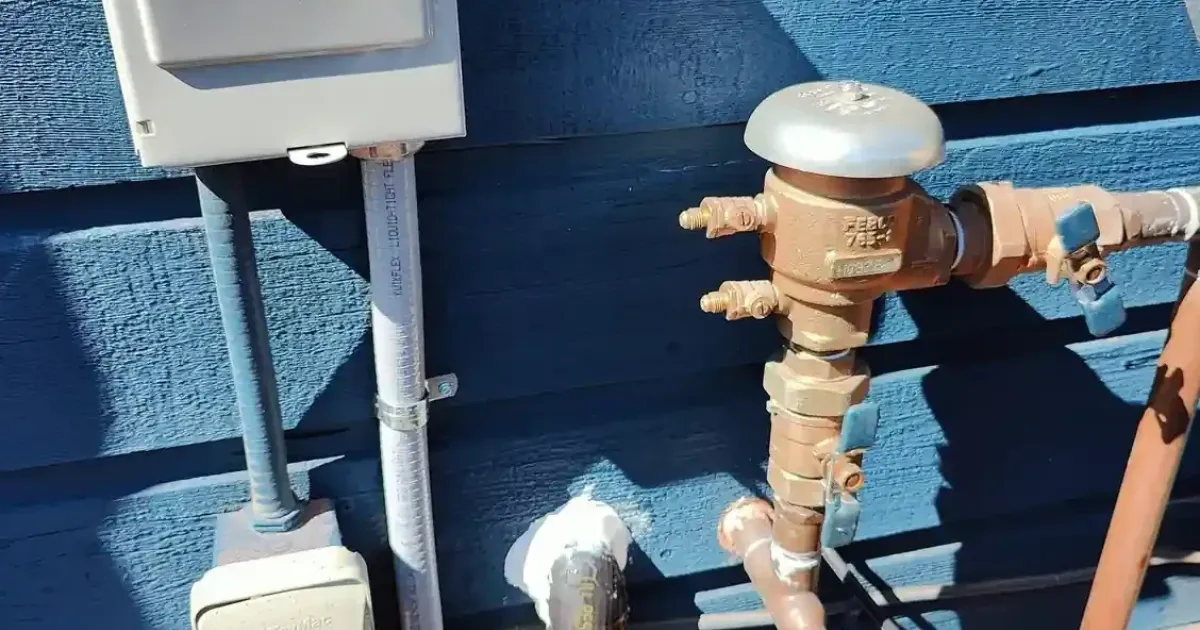
When it comes to backflow prevention in Fort Collins, a backflow preventer is an essential tool. This brass device is typically found in your basement or on the side of the house.
Basically, this tool uses check valves to physically stop water from flowing backward. When pressure changes cause backflow, the valves automatically block water from flowing in the wrong direction. Then, reduced-pressure zone (RPZ) assemblies can dump out the dirty water.
Why Fort Collins Homes Are Vulnerable?
As a homeowner, you should be proactive about backflow prevention in Fort Collins. In the Loveland Water District and the East Larimer County (ELCO) Water District, there are several factors that increase the likelihood of backflow issues.
First, Northern Colorado is home to beautiful green lawns and abundant natural beauty. Unfortunately, this means that most homes have underground sprinkler systems. Any time there is a puddle above the sprinklers, cross-connections can happen. In fact, sprinklers are the leading cause of cross-connections.
On top of this, Old Town retrofits and aging infrastructure increase water contamination risks for homes. These older homes often have outdated protection or use boiler systems for heating purposes. Both of these issues mean that older homes require specific winterizing and backflow preventers.
Finally, frozen pipes in Fort Collins lead to specific backflow issues. When October freezes arrive, water inside the backflow preventer’s brass housing can crack. As a result, water contamination can occur.
Maintenance DOs & DON’Ts
As a part of your safe drinking water tips and best practices, remember to adopt the following important maintenance tips for Northern Colorado homes.
DO Schedule Annual Testing
Even if your plumbing system appears to be operating correctly, mechanical parts can wear out. Springs and seals aren’t visible, so you can’t see if they are faulty by looking at your pipes and fixtures. Instead, you should have certified backflow testers come and perform an annual test at your home.
DO Insulate for Winter
While you’ll eventually need to perform a full sprinkler blowout to protect your sprinkler lines from freezing, there are important things you can do to protect your system from an early frost. You can use an insulated pouch or a rock cover to keep the device insulated from unexpectedly cold temperatures.
DON’T Leave Hoses Submerged
As a part of your garden hose safety, you should never leave your garden hose submerged in a fish tank, pool, or bucket. This causes a cross-connection point and contamination.
DON’T Ignore Leaks
If your backflow preventer appears to be spitting water out constantly, the check valves are likely faulty. In this instance, you should call us for Northern Colorado plumbing services. Our team can inspect your plumbing system and install a new backflow preventer.
DIY Checks vs. Professional Testing
Before you reach out to schedule plumbing repairs and maintenance, there are a few important checks you can handle on your own.
DIY Checks
As a homeowner, you can use the following tips to maintain your system.
- Visually inspect the backflow preventer for leaks or cracks.
- Before cold snaps arrive, make sure the device has been properly insulated.
- Disconnect and drain garden hoses before winter arrives.
Professional Testing
To keep your system working at its best, you need to schedule a test once per year. You can call our team to talk about the annual backflow testing cost and what to expect. According to the City of Fort Collins’ backflow requirements, residents are required to have this test performed by a certified cross-connection control technician.
During the test, we’ll determine if you need any repairs. We can quickly replace any faulty rubber seals or springs that are inside the unit. If the unit is cracked from a cold snap, we can swap out the entire thing.
The “Prevent It” Pitch: Testing & Winterization
From spring sprinkler startup tasks to flushing your hot water tank, there are important maintenance tasks you can perform to keep your plumbing system working as effectively as possible. Booking annual tests before your deadline and scheduling a winterization appointment before the first hard freeze are essential for preventing contaminated water from getting into your system.
At Balance Point Heating, Cooling & Plumbing, we often receive repair calls because springtime backflow occurs due to a unit cracking during the winter. Additionally, local residents often reach out because the City of Fort Collins has sent out a noncompliance letter.
Rather than wait for backflow contamination or a noncompliance letter, schedule your test today. Our team can complete your plumbing system’s winterization and blowouts before the freezing temperatures arrive.
Protect Your Home’s Water Quality
Backflow prevention in Fort Collins is essential for ensuring safe, clean drinking water. A well-maintained backflow preventer protects the homeowner and the entire neighborhood from potential contamination. At Balance Point Heating, Cooling & Plumbing, we can handle all of the compliance paperwork, testing, and repairs involved in the process.
Whether you received a letter from the City of Fort Collins or simply noticed a leaking valve, we can help. Don’t put your family’s safety at risk. Reach out to Balance Point Heating, Cooling & Plumbing today to book your certified backflow test.
Service Request
"*" indicates required fields