

Riding the Rollercoaster: Managing Your HVAC During Fort Collins’ Wild Winter Swings
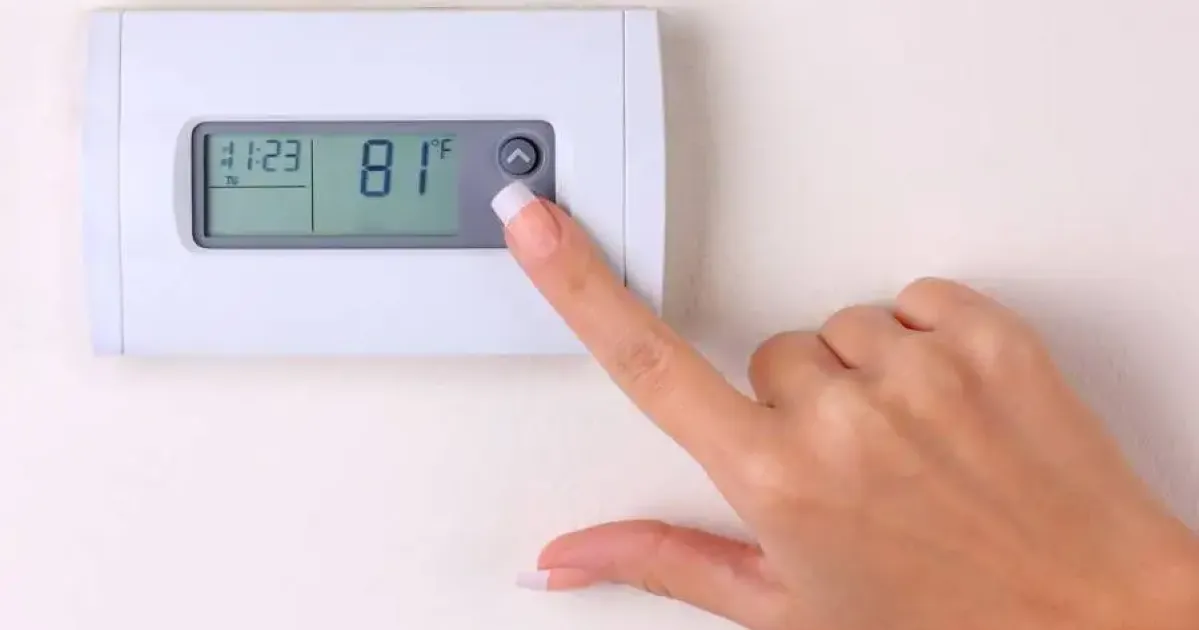
It’s a classic January week in Fort Collins. On Tuesday, the weather is a comfortable 65° and the sun is shining. By Wednesday night, a cold front hits the city, and the temperature drops to just 10°.
When you live in Fort Collins, setting your heating, ventilation, and air conditioning (HVAC) system can be challenging. You can’t simply set it and forget it. The massive HVAC efficiency and temperature swings in Fort Collins create a thermal shock for your home and HVAC system. As a result, active management is essential for ensuring your family’s comfort and avoiding high energy bills.
For help maintaining your heating system this winter, give us a call.
The “Balance Point”: Finding Equilibrium in Chaos
In the HVAC world, the “balance point” is the temperature where the heat loss from your building equals the heat output of your HVAC system. If the temperature falls below this point, your HVAC system won’t be able to keep up.
At Balance Point Heating, Cooling & Plumbing, we use load calculations to figure out exactly how much heat your home needs. As a part of this calculation, we carefully consider the building’s envelope, your environment, the number of occupants, the size of your home, appliances, and other factors.
The problem is that, even with accurate load calculations, 60-degree drops in 24 hours are going to stress the system. Your unit was intended for a specific design temperature. When the weather swings so rapidly, your HVAC system will struggle to switch between storing and shedding heat.
At Balance Point Heating, Cooling & Plumbing, we understand thermal shock and home heating. We can help your system adapt to these drastic HVAC efficiency and temperature swings in Fort Collins so that your family doesn’t have to alternate between shivering and sweating.
The “False Spring” Trap: Thermostat Strategy
Another problem local residents face is due to Chinook winds and heating problems. On a warm Chinook day, your home will naturally start to warm up. As a result, you may open your windows and switch off the heat.
However, Chinook winds can shift after the sun sets. This causes the temperature in your home to plummet drastically. Because the windows were open and your heating system was off during the day, your walls and furniture have lost their stored heat. In turn, this causes your HVAC system to work harder to reach the same temperature level.
To protect your furnace and ensure a comfortable home, you need to maintain a baseline temperature. Instead of allowing your home to get significantly colder or warmer, the goal is to keep it at a set spot.
By maintaining the temperature a little higher, you can help your furniture and walls retain their stored heat. The higher indoor temperature means the furnace doesn’t have to run for four hours nonstop to make up for lost heat.
Maintaining a baseline temperature isn’t just essential for your family’s comfort and your home’s energy efficiency along the Front Range. It is also essential for avoiding unexpected breakdowns and furnace repairs. Nonstop operation can cause added wear, increasing the likelihood of costly repairs and replacements in the future.
Managing the “Deadband”
While it might sound intimidating, the deadband is actually a positive tool for your HVAC system. In HVAC terms, the deadband is the gap between your heating setpoint and cooling setpoint. When your deadband is set accurately, it can prevent your HVAC system from rapidly switching between heating and cooling. Additionally, an effective deadband setting can limit wear and save on energy costs.
However, this is only true if the heating and cooling deadband is set accurately. An overly narrow deadband can cause your air conditioner to kick on in the middle of a January afternoon, only to have your furnace switch on two hours later.
This type of issue occurs if your thermostat’s auto mode is too narrow. To fix the problem, you should widen the gap. Alternatively, it is also effective to simply turn off your air conditioner and use only heat mode during January. By making this switch, you can reduce the wear on your HVAC system and save money on energy costs.
The DOs: Swing Season Best Practices
Whether you’re struggling with Poudre Valley air quality or shivering in dry winter winds, there are a few best practices you can use to stay comfortable during wintertime weather in Fort Collins.
- DO Use the Fan On Mode: Your fan can end up saving you significantly on your energy costs if you’re dealing with your two-story house cooling in winter. Instead of spending extra on heating your home, switch your fan mode on. When the upper level starts to heat up during the day, the fan will recirculate the air into your home’s lower levels. Instead of having a frigid downstairs and sweltering upstairs, you can save on energy and enjoy a more consistent level of comfort.
- DO Check Your Outdoor Sensor: It’s also essential to check outdoor temperature sensors in HVAC systems. If your thermostat isn’t sensing the temperature properly, it may turn off prematurely. For example, thermostat sensors that are placed in direct sunshine may think that the temperature is 80° when it is actually 40°, resulting in colder indoor temperatures.
- DO Adjust Blinds: Besides adjusting your programmable thermostat settings in winter, you can also save money by taking advantage of solar gain. During the day, open your blinds to receive extra heat from the sun. Then, close the blinds as soon as the sun drops behind the mountains at night.
If you need help with thermostat repairs or replacements, give us a call. Our team can also discuss the best settings for your home, so your family can stay toasty all winter.
The DON’Ts: Costly Mistakes
When dealing with HVAC efficiency and temperature swings in Fort Collins, it pays to be proactive. To protect your HVAC system and your family’s comfort, avoid making the following costly mistakes.
- DON’T Use Deep Setbacks: One of the most important things you can do to maintain a comfortable indoor temperature during false spring weather is to keep your furnace running. You should never drop your indoor temperature by more than 5° to 8°. While it might seem like setting the temperature lower would save money, the cost of recovering the lost heat outweighs any savings you would have.
- DON’T Ignore Humidity: When the Chinook winds blow, they can be incredibly drying. This dry air absorbs any moisture on your skin, causing an evaporative cooling effect. As your indoor humidity drops, it can make 68° feel like 62°. For help managing indoor humidity in Colorado, talk to our HVAC technicians about the best humidifier options for your home.
- DON’T Block Vents: Sometimes, homeowners will try to save money by closing vents in unused rooms. To ensure the effectiveness of your HVAC system, you should never block or close vents. Every register needs to be open so that the system can breathe during high-load recovery periods. Additionally, closed vents cause increased pressure in your ductwork and HVAC system, resulting in unnecessary wear.
Troubleshooting: Is My System Broken?
From long recovery times to unusual cold spots, there are a few common signs your HVAC system may be struggling to keep up with the changing weather. While some of these signs mean you need to get furnace repairs or replacements, you may also be able to resolve common problems through routine HVAC maintenance or making simple adjustments to your HVAC usage.
You Experience Short Cycling
Short cycling is the term for when the furnace runs for short bursts before shutting off. This often occurs because of overheating. For example, a dirty filter can reduce airflow and cause the furnace to overheat. This triggers a safety mechanism that shuts down the furnace.
Other than dirty filters, short cycling can also occur due to having an oversized furnace, dirty sensors, and thermostat issues. An oversized furnace reaches the appropriate temperature too rapidly, causing it to shut off right away. If the flame sensor is dirty, it will automatically switch off because it can’t sense the flame. Similarly, placing a thermostat in direct sunshine or having a malfunctioning thermostat can result in short cycling.
To troubleshoot this issue, start by checking your thermostat settings and placement. Then, you should replace your air filter and make sure the vents are unobstructed. However, if these basic steps don’t work, you’ll need to schedule a professional HVAC inspection.
You Hear Loud “Creaking” in the Walls
If you hear creaking noises in the walls of your home, it is likely due to your ductwork expanding and contracting too fast. This type of issue is typically caused by damaged ductwork, restricted airflow, or blower motor issues.
Duct leaks and damage can cause whistling noises and creaking in your walls. This means that heat is being lost to the outdoors, increasing your energy consumption and forcing your HVAC system to work harder. Professional duct sealing and repairs can quickly resolve this issue.
Similarly, restricted airflow can cause pressure changes and creaking. To troubleshoot, start by replacing your air filter. If this doesn’t help, you’ll need an experienced HVAC technician to look for bent ductwork and other airflow-related issues.
Finally, loud creaking sounds are often an indication of a blower motor malfunction. The blower motor may have worn bearings, mount issues, a bad capacitor, excess debris, or other issues. All of these must be diagnosed and repaired by a professional.
One of Your Rooms is 10° Warmer Than the Other Rooms
If one room is 10° hotter than the rest of your house, there are a few different issues that could be in play. For instance, a poorly sized system may struggle to heat your home adequately, leading to uneven temperatures.
Alternatively, you could be dealing with ductwork or airflow issues. Clogged vents, blocked ducts, duct leaks, crushed sections of ductwork, and similar problems can impact how much air reaches each section of your home. Because many different problems could be in play, it’s essential to get a professional HVAC technician to evaluate your home’s HVAC system.
Why Professional Maintenance Matters in Fort Collins
If you’re dealing with false spring weather and HVAC problems in Fort Collins, our team can help. When the Front Range’s unique winter weather arrives, it places double the stress on our heat exchangers and ignitors. High altitudes, significant temperature swings, and a dry climate can impact your furnace’s combustion and lead to issues in different ways.
- High Altitudes: Furnaces are intended to work in areas with a standard air density. At high altitudes, combustion doesn’t occur properly. This places more stress on the heat exchangers and ignitors.
- Major Temperature Swings: When significant temperature changes occur, they cause the heat exchanger metal to expand and contract. In turn, this leads to thermal fatigue and microscopic cracks in your heat exchanger.
- Dry Air: Finally, our climate’s dry air means the air doesn’t retain heat as well. Because the air loses heat rapidly, your unit is more likely to short cycle to keep the temperature steady. Over time, this causes increased wear and more frequent HVAC repairs.
Because of this, it’s essential to schedule a professional maintenance appointment. When sub-zero nights arrive, you need to be confident that your gas pressure is correct and your furnace is firing at full capacity.
Dealing with gas lines and gas components isn’t something you should do on your own. There is a serious risk of carbon monoxide poisoning, fires, and dangerous gas leaks if any of these components are damaged or improperly installed. Because of this, you should always reach out to a professional HVAC expert for a full pre-winter inspection.
To make preparing for winter a little easier, our team offers a convenient membership plan. In addition to complimentary tune-ups, it includes special promotions and discounts on important HVAC services.
Prepare Your Home for a Warm, Comfortable Winter
Dealing with HVAC efficiency and temperature swings in Fort Collins can be challenging. While the weather is unpredictable, your family’s comfort doesn’t have to be. By anticipating potential HVAC swings and adjusting your family’s habits, you can lower your energy costs and stay comfortable throughout our rollercoaster of weather changes.
Tired of your home feeling like a freezer at night and a sauna in the afternoon? Balance Point Heating, Cooling & Plumbing can optimize your HVAC system for our local climate.
Stay warm this winter by scheduling your HVAC inspection today.
Service Request
"*" indicates required fields