

Sump Pump 101: What Fort Collins Homeowners Need to Know Before Spring Snowmelt
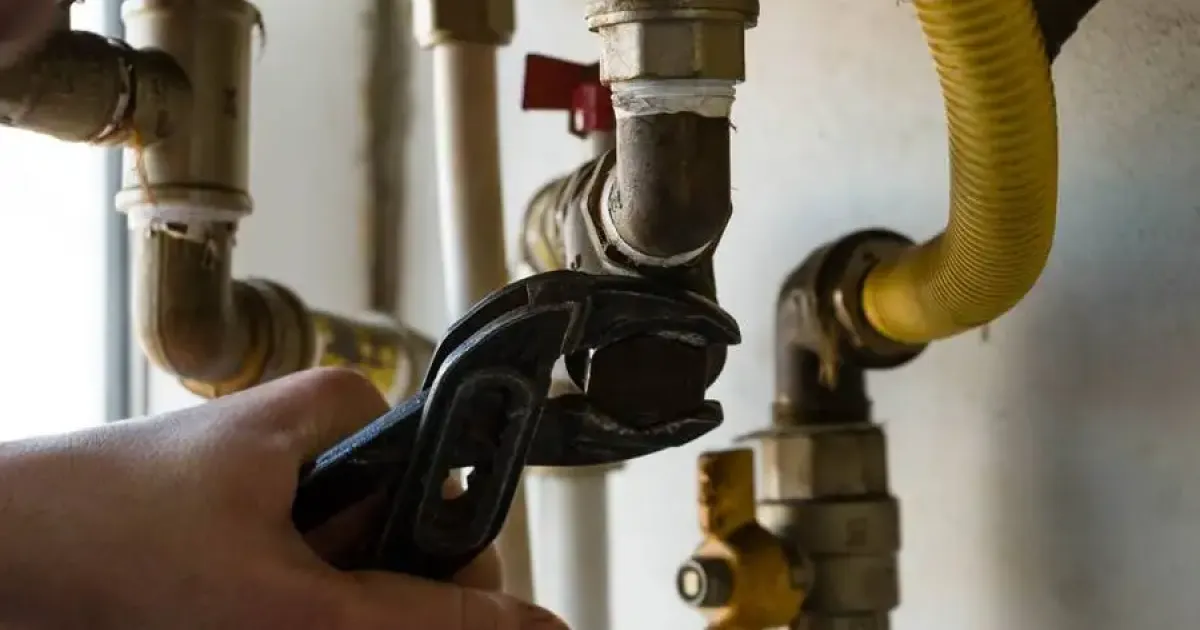
For most of the year, you probably don’t think about your sump pump. Until spring thaw arrives and water starts to build up inside your home, it’s easy to forget about its existence.
A typical sump pump in Fort Collins will spend most of the winter sitting idle. Before the busiest stretch of the year arrives, it’s essential to get your sump pump inspected. A failing or undersized sump pump can stop functioning during periods of heavy snowmelt or a spring storm. If this happens, it can result in thousands of dollars in basement water damage, destroyed belongings, and hazardous mold growth.
Fortunately, sump pumps are easy to understand and fairly basic to maintain. With a little prevention, Fort Collins homeowners can prevent floods.
How a Sump Pump Works
So, how does a sump pump work? A sump pump functions around a fairly simple concept. It is placed at the lowest point, so water can pool together and be pumped out of your home.
Sump pumps are installed in a pit that is located at the lowest part of your basement or crawlspace. As groundwater or snowmelt raises the water in the pit, the pump is automatically activated so that it switches on. Then, it uses a discharge pipe to direct the water away from the pit and out of your home.
There are two main types of sump pump installations you can get: submersible and pedestal pumps. A submersible pump is submerged in the water. Because this makes it quieter, it is ideal for homes where the sump pump needs to be on all the time.
In comparison, pedestal pumps have a motor that is above the pit. While this location makes it simpler to access and service the pump, it also means that it is louder.
No matter which sump pump type you get, it’s important to consider battery backup options. Power outages are common during spring storms, so you need to be completely confident that your sump pump can operate in all types of weather.
Why Spring Snowmelt Is a High-Risk Period for Fort Collins Basements
Spring snowmelt and basement water can wreak havoc on your home if you can’t pump the water out. In Fort Collins, the city and surrounding foothills accumulate snowpack during the winter. As the weather warms up in March and April, the water melts into the ground and ends up around your home’s foundation.
This problem is particularly common in older neighborhoods around Spring Creek and the Poudre River corridor. When a natural floodplain is combined with snowmelt and heavy spring rains, it can quickly overwhelm drainage systems. Plus, the Front Range’s clay-heavy soils absorb water at a slow rate, making surface runoff a worse problem.
Signs Your Sump Pump May Not Be Ready
A sump pump inspection is one of the best ways to find out if your sump pump is prepared for springtime. If you noticed the following issues, it’s time to schedule your next plumbing appointment.
- Lack of Testing: If you can’t remember when the sump pump was activated and drained, it’s probably time to get an inspection and routine maintenance performed.
- Constant Run Times: A sump pump that runs all the time or cycles rapidly may be undersized or near the end of its lifespan. The float switch could also be stuck.
- Unusual Noises: If you hear a rattling, grinding, or gurgling sound, you may be dealing with pit debris, a worn impeller, or a clog in your discharge line.
- Age: Any pump that is already 7 to 10 years old is likely reaching the end of its natural lifespan. At the very least, you should schedule your sump pump maintenance in Colorado before the high-demand weather arrives.
- Lack of Battery: If there isn’t a battery backup, your sump pump will go offline as soon as a power outage arrives.
- Frozen or Blocked Pipes: A blocked discharge pipe renders your sump pump useless.
How To Test Your Sump Pump Before Spring: DIY Steps
As part of your basement flooding prevention in Fort Collins, there are a few DIY steps you can take to make sure your sump pump is in working order. It’s important to note that these tips aren’t intended to replace a professional inspection and repairs. When in doubt, you should always reach out for professional help.
- Step 1: Find your sump pump and remove the lid. Typically, they are located in basement utility areas.
- Step 2: Pour a bucket of water into the pit. This should make the pump float rise, causing the pump to activate.
- Step 3: The water level should quickly drop if the pump is working.
- Step 4: Following the bucket test, check the discharge line outside your home. Water should be exiting your home at least 10 feet away from the foundation.
- Step 5: Test your backup system by unplugging your main pump from your home’s electrical supply and repeating the bucket test.
- Step 6: Call a plumber immediately if any of these steps do not work.
When To Call a Professional
If your sump pump’s not working, you can perform routine maintenance on your own. However, the following signs mean you need to reach out to a professional plumber for help.
- Your sump pump fails the bucket test.
- It fails to activate.
- You don’t have a battery backup installed, and you need one.
- There is visible rust or sediment.
- You purchased an older home and don’t know if the pump has been serviced recently.
- There is debris buildup around the pit.
- Your sump pump is at or past the 10-year mark.
- You have a history of basement seepage and dampness.
Don’t hesitate to reach out to Balance Point for seasonal plumbing maintenance. It is always much cheaper to catch and repair a failed pump now than it is to deal with emergency water extraction and basement remediation later on.
Sump Pump Maintenance: What To Do Beyond the Annual Test
While a professional plumber in Fort Collins can handle your tune-ups and repairs, there are a few maintenance activities you can handle on your own.
- Scoop out sediment. Then, rinse your pump intake and float switch to avoid clogs.
- Make sure your discharge pipe exits your home at least 10 feet away from your foundation. The water should drain away instead of pooling near your home.
- Inspect the discharge line by lifting it to verify the pump is activated. Afterward, release it to make sure it turns off as well.
- To check the float switch, disconnect your primary power source and perform a bucket test.
- You should always replace batteries if they are over three years old.
- Test your backup battery to make sure it is ready for a storm.
- Schedule professional repairs if you notice any grinding, rattling, or vibration during your sump pump’s operations.
Sump Pump Replacement: How To Know When It Is Time
As a homeowner, it’s important to pay attention to a few common signs that indicate when to replace a sump pump. Replacement costs are more predictable when they are scheduled proactively instead of during an emergency. Schedule a replacement if you notice the following signs.
- Age: The pump is older than 10 years old.
- Frequent Cycling: A pump that constantly turns on or off may be undersized or near the end of its lifespan. It may also have float issues.
- Rust and Corrosion: Any rust or corrosion is a sign of excessive moisture exposure.
- Flooding History: If you’re dealing with basement water intrusion, it’s likely time for a pump upgrade and a backup battery.
Why Fort Collins Homeowners Trust Balance Point
From frozen pipe prevention services to repairing sump pumps in Fort Collins, local homeowners trust Balance Point Heating, Cooling & Plumbing with their major plumbing repairs and maintenance.
Our team understands local soil conditions and unique neighborhood requirements. In older homes near downtown and CSU, aging plumbing infrastructure results in problems. Meanwhile, newer builds in Timnath and Windsor often need sump pump servicing.
As a local resident, you need a plumber who understands our seasonal weather patterns. By reaching out to our experienced team, you can get emergency help as soon as water starts to seep into your basement during a spring storm.
Get Your Sump Pump Ready for Snowmelt
By spending a few minutes on prevention today, you can save thousands of dollars and a significant amount of stress after snowmelt hits. With proper care and maintenance, you can ensure your sump pump in Fort Collins is ready for sudden influxes of water.
Do not wait for water in your basement to find out your sump pump is not working. Schedule a sump pump inspection with Balance Point Heating, Cooling & Plumbing before spring arrives. Call 970-345-3361 or book online.
Service Request
"*" indicates required fields