

A Dirty Flame Sensor Is Why Your Furnace Starts Then Quits
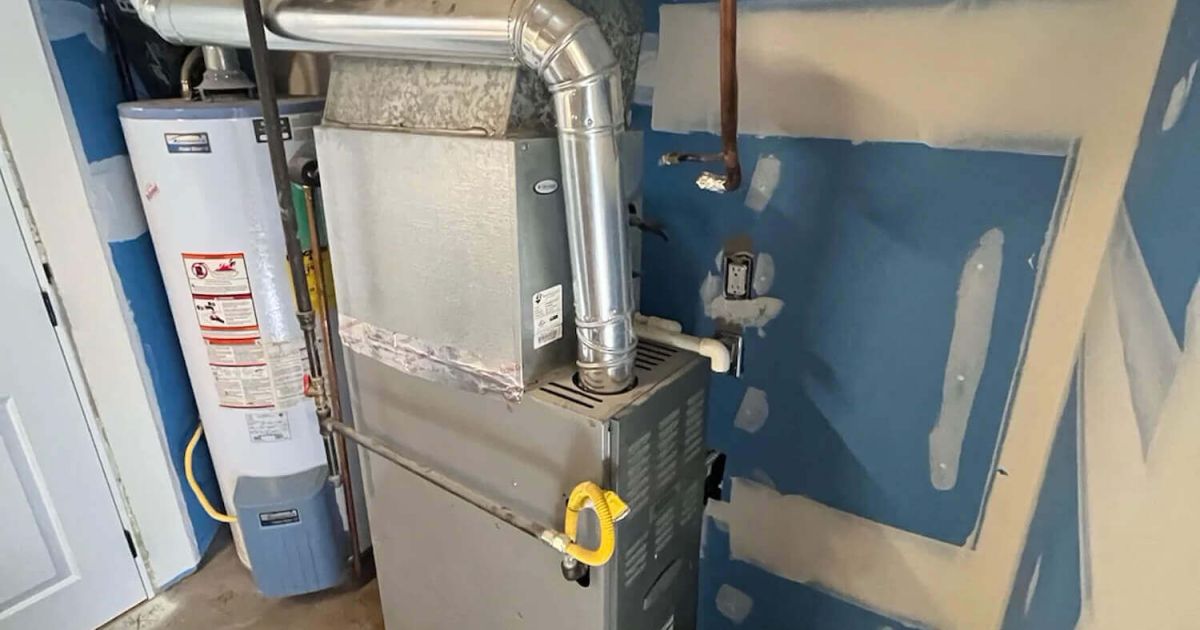
In Fort Collins, Loveland, and the Northern Colorado area, homeowners often notice furnace flame sensor issues after the first cold snap arrives. After months of idling, the furnace tends to run harder, exposing underlying problems. At Northern Colorado’s elevation, proper furnace setup and combustion are especially important because lower air density can affect combustion performance.
Fortunately, this is one of the more common and more fixable furnace problems. At Balance Point Heating, Cooling & Plumbing, we can quickly diagnose and repair furnace-related issues.
The Pattern You Are Seeing
If this is the issue, you’ll notice that the furnace ignites, the burners light, and the furnace runs briefly. Then, it shuts down, and the cycle starts all over again.
This pattern, in which a furnace starts and then shuts off after a few seconds, often indicates a flame-sensing problem. By understanding what a flame sensor does, why a dirty one is an issue, and common signs to look for, you can determine when you can troubleshoot yourself and when you need professional furnace repairs.
What the Flame Sensor Does
In your furnace, the flame sensor is a thin metal rod that sits in the burner flame. It confirms whether the flame is actually present. If it does not sense a flame within a few seconds, the control board shuts off the gas to prevent unburned gas from being released into your home.
This shutdown is a deliberate safety feature and not a failure of the system. When it happens, you may notice that the furnace short cycles on ignition. Although the ignition succeeds, the sensor fails to confirm the flame and shuts down the system before trying again.
Why a Dirty Sensor Causes the Furnace To Start Then Quit
The furnace flame sensor functions by detecting a tiny electrical current through the flame. Over time, oxidation, carbon, or other residue can coat the rod and interfere with that signal. This buildup blocks the flame-sensing current, so the furnace reads that no flame is there and shuts down, even though the burners are actually lit.
As buildup accumulates, the flame signal may become weaker or intermittent, eventually causing more frequent shutdowns or ignition failures. Eventually, the furnace may barely stay lit.
This gradual process is the reason why flame sensor problems are often first noticed during cold weather. Because the furnace must run more frequently, a marginal signal can finally fail.
Other Causes of the Same Symptom
While the flame sensor is the most common cause, there are several other problems that can cause the same start-then-quit pattern. One of our technicians can help you quickly determine the underlying cause through a professional evaluation.
- Clogged or restricted flue or exhaust: When a vent is blocked, it can trigger a safety shutdown.
- Faulty igniter or gas valve: Problems with the ignition system or gas supply can cause failed or interrupted heating cycles, although the exact symptoms may differ from those of a dirty flame sensor.
- Failing control board: When a furnace lights then goes out, it may be due to the board misreading or mishandling the flame signal.
- Restricted airflow from a dirty filter: Restricted airflow can cause the furnace to overheat and trigger a safety shutdown, producing symptoms that may resemble other short-cycling problems.
- Blocked condensate drain on high-efficiency furnaces: For high-efficiency furnaces, a pressure switch shutdown due to a blocked condensate drain line can cause the same start-and-quit problem.
While noting the pattern and symptoms can narrow down the potential causes, the only way to know the cause for sure is by having a heating, ventilation, and air conditioning (HVAC) technician test your furnace.
Safe Checks Before You Call
As a homeowner, there are a few things you can check on your own. However, furnace flame sensor cleaning and repairs should be left to the professionals. While sensor cleaning is often described as a simple task online, the risk of part damage and gas leaks means that this is not a DIY project.
- Check 1: First, check the air filter. Dirty filters can restrict the furnace’s airflow. Replace it as needed. Then, confirm that the supply and return vents are open and unobstructed.
- Check 2: Verify that your thermostat is set to “heat” mode. Set the thermostat several degrees warmer than room temperature to see if it triggers the furnace to turn on.
- Check 3: Note the timing of when the shutoff occurs. Track the number of seconds before it shuts off and how frequently it retries.
- Check 4: See whether the furnace stays locked out after multiple failed attempts.
Important safety note: For the safety of your family, home, and furnace, you should never disassemble the burner assembly. Do not attempt to clean the flame sensor yourself. Improper cleaning or excessive abrasion can damage the sensor. You should also never touch the gas valve or wiring. If the furnace keeps failing, do not keep forcing it to retry.
When To Call Balance Point
You should always call for help if the previous checks did not fix the problem. We also recommend reaching out for professional Fort Collins furnace repairs if you notice any of the following symptoms.
- Your furnace repeatedly starts and shuts off.
- The furnace is locked out.
- There is a gas odor. If this occurs, immediately leave your home and contact your gas utility before you do anything else.
- The furnace is unable to stay lit long enough to warm up your home.
- You noticed soot, an unusual flame color, or a burning odor.
- The furnace has had repeated flame-sensor problems in the same season. Often, this signals a deeper combustion issue.
How a Technician Fixes It
Our technicians can fix the problem by cleaning or replacing the flame sensor as needed. We’ll inspect the flame and test the flame-sensor signal to verify proper operation. Besides confirming safe combustion, our technicians will also inspect your burners and igniter for issues.
In many cases, proper cleaning is enough to restore the signal. If the problem returns after cleaning, the flame sensor may need replacement, or the furnace may require further diagnosis to identify another underlying issue. Scheduling annual tune-ups and keeping up with routine maintenance can help you avoid repeat repairs.
FAQs
Why does my furnace start then shut off after a few seconds?
In most cases, this occurs because the furnace flame sensor is dirty and unable to confirm the flame. As a result, the control board shuts off the gas supply to prevent unburned gas from continuing to flow. However, other ignition and airflow problems can cause similar symptoms, which is why professional diagnostics are important.
Can I clean the flame sensor myself?
While cleaning the flame sensor might sound simple, the sensor sits in the burner assembly next to the gas valve. Because of the gas and combustion components involved, it is better to leave all sensor cleaning and testing to a technician.
How long does a flame sensor last?
A flame sensor can last for years, although buildup can slowly accumulate. Through regular maintenance, you can catch a weak signal before it fails unexpectedly in the middle of a cold snap.
Is a furnace that keeps shutting off dangerous?
The shutdown is a safety feature designed to protect your furnace, home, and family. While the shutdown itself is a protective response, the condition triggering it may require professional attention. If your furnace frequently shuts off, you notice soot, or there is a gas smell, you should call for repairs. For gas smells, immediately leave your home and call your gas utility provider.
Why did this happen suddenly in cold weather?
When the weather turns cold, furnaces are used more intensively. A previously marginal flame signal may finally fail under the heavier demand.
Diagnose Your Flame Sensor Issues
Struggling with your furnace lighting and quitting over and over again? Balance Point offers same-day diagnostics, flexible financing, and upfront pricing in Fort Collins and Loveland.
We’ll quickly confirm the cause of your furnace flame sensor issue, discuss your options, and help you take the next step without any pressure.
Schedule your evaluation in Northern Colorado today.
Service Request
"*" indicates required fields