

Post-Winter Plumbing Walk-Through: A Fort Collins Homeowner’s Guide
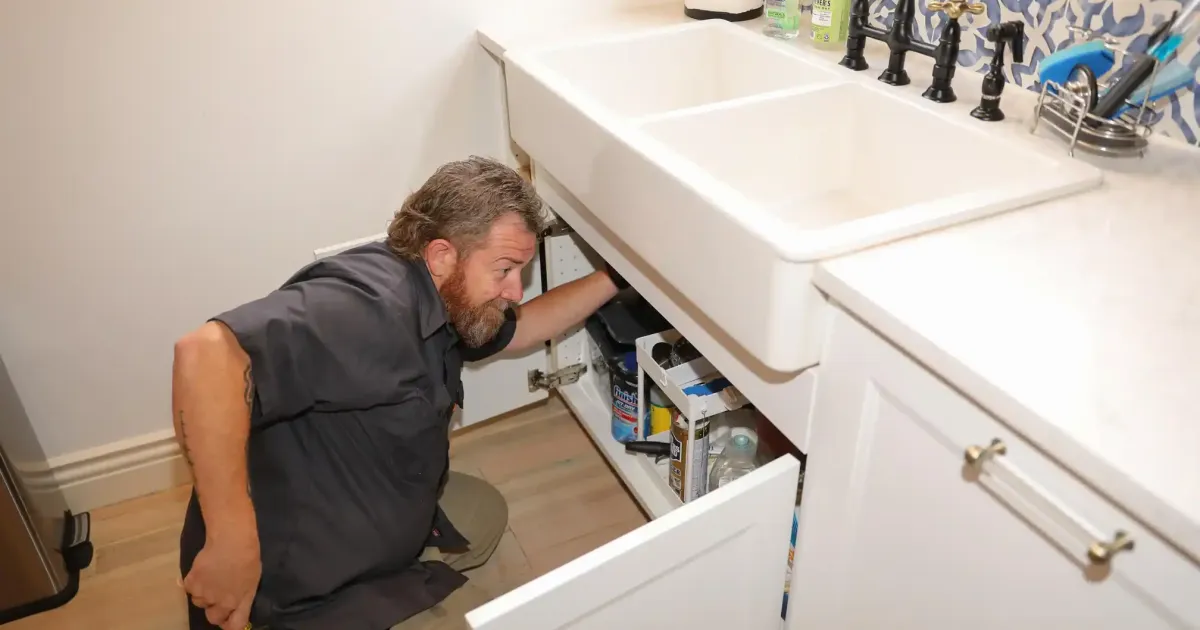
As we emerge from another cold Colorado winter, it’s the perfect time to inspect your plumbing system. Thanks to our area’s semi-arid climate, we face unique types of plumbing risks. Freezing temperatures, snowmelt, frozen ground conditions, and freeze-thaw cycles can all harm your pipes, outdoor fixtures, and drainage systems. Meanwhile, snowmelt can quickly overwhelm your drainage systems, especially if there are any blockages present.
At Balance Point Heating, Cooling & Plumbing, our spring plumbing inspections are designed to catch winter damage before it can turn into an expensive repair. Besides scheduling an inspection, homeowners can also prevent problems by completing the recommended spring plumbing checklist for Fort Collins.
To learn more about plumbing maintenance for Colorado’s rural properties, urban enclaves, and mountain homes, read on.
The 7-Item Spring Plumbing Checklist
From preventing frozen pipes to managing snowmelt, plumbing maintenance is essential for protecting your home. As part of your spring plumbing checklist in Fort Collins, we recommend performing the following seven tasks. Additionally, you should schedule a routine maintenance appointment to verify that all of your plumbing has emerged unharmed from our long winters.
1. Test Your Sump Pump
One of the most important parts of your spring maintenance is testing your sump pump before it’s needed during snowmelt and heavy rains. After pouring a 5-gallon bucket of water into the pit, see if the float rises. The pump should also switch on, causing the water level to fall. Outside, the discharge line should drain water at least 10 feet away from your foundation.
If any of these activities do not occur, call and schedule plumbing repairs. We also recommend considering a sump pump replacement if yours is already 7 to 10 years old.
2. Inspect Hose Bibs and Outdoor Faucets for Damage
As spring arrives, it is important to perform a hose bib winterization check in Colorado. Freezing temperatures can damage the valve body inside your walls, and you won’t be able to see the damage. Even frost-free hose bibs can develop cracks in the vacuum breaker.
To prevent outdoor plumbing leaks and water damage, turn on each of your outdoor faucets. Monitor for flow restrictions and leaks. If you notice a steady drip from the pipe or handle, the frost has likely caused damage. As part of your outdoor plumbing spring startup process, don’t forget to check the faucets in your garage and irrigation connections.
3. Check Your Water Heater for Sediment Buildup
People often use water heaters more intensively when it is cold because the water has to be heated up from a colder temperature. This can cause sediment to build up faster, which is why it is essential to flush your tank in the spring. You should also monitor it for signs of sediment buildup, such as rumbling and popping noises. Any unusual noise, corrosion, or moisture around the base necessitates an inspection.
To maximize your energy efficiency and avoid scalding, we recommend setting your water heater’s thermostat to 120°F.
4. Test Your Floor Drains
All drains are designed with a P-trap. This U-shaped pipe holds water, so sewage gases can’t get into your home.
Often, basement floor drains are not used for months at a time. As a result, you need to check if they are working and refill the P-trap by pouring water into it. If the water drains slowly or backs up right away, you may need to schedule professional drain cleaning services.
5. Inspect Pipes for Signs of Winter Stress
It’s not possible to access and see all of your plumbing systems, but you should inspect the pipes you can see. In particular, check the pipes in your basement and utility areas for moisture around joints, discoloration, a green patina on copper pipes, and small leaks. Exterior walls stay colder, so be especially observant about pipes that are near these walls.
6. Clean Your Gutters and Check Your Downspouts
Gutters and downspouts help spring rain and snowmelt move away from your home. Because of this, you should check your downspout to make sure it is connected and directs the water at least 4 to 6 feet away from your foundation. Then, clean your gutters so that the water has a clear path to leave your roof.
7. Walk Around Your Foundation
Spring is a good time to check around your foundation for low spots where the soil has settled. Because these areas allow water to pool, it is important to grade the slope on all sides so that water naturally travels away from your home. Additionally, you should inspect your window wells and remove any debris.
When To Call a Plumber vs. Handle It Yourself
When it comes to spring home maintenance and plumbing repairs, there are some tasks that you can handle on your own. For expert diagnostics and complicated repairs, you should always call a professional for help.
Problems You Can Handle on Your Own
If you are mechanically inclined and feel comfortable doing it, you can typically handle the following tasks on your own. However, your plumber can handle flushing the water heater and any other tasks you don’t feel comfortable doing yourself.
- Test the sump pump.
- Visually inspect your pipes.
- Flush the water heater.
- Clean your gutters and downspouts.
- Pour water down your drains.
- Check the hose bibs for cracks and damage.
Issues That Require an Expert
For more complex tasks, you should reach out to a professional for maintenance and repairs. Call our team if you notice the following symptoms.
- Your floor drains keep backing up.
- There is an active pipe leak.
- The sump pump refuses to start.
- The sump pump runs constantly.
- Your water heater makes strange noises or shows signs of corrosion.
- The outdoor faucets are leaking inside your walls.
Additional Considerations
If your home was built in 2005 or later, many of your systems are likely under manufacturer warranty. By getting a professional inspection, you can document problems for your warranty claims.
Springtime is an excellent time to handle plumbing tasks before heavy rains and snowmelt arrive. We recommend installing a backflow preventer valve to keep sewage from flowing back into your basement drain. This problem is particularly common during heavy snowmelt when saturated municipal systems get overwhelmed.
From performing a sump pump spring test to checking for leaks, our licensed plumbers can help with all of your springtime repairs and maintenance. For upfront pricing and same-day services in Timnath, Windsor, Greeley, Loveland, and the Fort Collins area, reach out to Balance Point today.
Mountain and Rural Property Considerations
Our local region has a unique climate, which leads to special plumbing concerns. For example, Estes Park, Red Feather Lakes, Bellvue, and Livermore have steep terrain and relatively fast snowmelt runoff. These factors create added plumbing risks in the springtime, especially if your sump pump is not working properly.
Rapid snowmelt can also impact your water quality. If you have well water, rapid snowmelt can lead to changes in composition, so get a water test if you notice any taste or color differences.
Seasonal and vacation properties often have absentee owners and special plumbing needs. If your property was unoccupied all winter, you will need a full plumbing walk-through. You should flush every toilet and run every faucet as soon as you turn the water back on. As part of your spring maintenance, consider installing a smart water leak sensor with phone alerts. This simple device costs very little and is incredibly effective at preventing leak-related damage when you are absent.
At Balance Point, we understand what mountain communities need. For added convenience, our team can combine your HVAC and plumbing inspections into a single appointment. Both of these services are a complimentary part of our Whole Home Comfort plan.
Frequently Asked Questions
How often should I do a spring plumbing inspection?
We recommend having an inspection carried out every spring. You should time the inspection for after the last freeze, so we can detect any winter damage. Because of the colder climate, mountain properties often need to wait until late April or May for their appointments.
How long does this take?
A spring plumbing inspection in Northern Colorado will generally take between 60 and 90 minutes to complete, as long as no major issues are found.
Can I combine this with an HVAC tune-up?
Yes. Balance Point handles both HVAC and plumbing tune-ups, so you can book a combined spring check for your heating system and plumbing in the same visit. This saves time and gives your technician a complete picture of your home’s systems.
What are the most common spring plumbing problems in Fort Collins?
We frequently see water heaters that are blocked by sediment, dry P-traps in floor drains, and cracked hose bibs. Additionally, our plumbers often discover that many sump pumps have not been tested since the last inspection. Fortunately, all of these problems are relatively easy to fix during your spring maintenance appointment.
Book Your Next Plumbing Appointment
Uncertain about how to complete your spring plumbing checklist in Fort Collins? We can help. Through Balance Point, you can get same-day services and professional inspections for all of your plumbing systems.
Schedule your appointment today near you!
Service Request
"*" indicates required fields