

Spring Allergies and Your HVAC: How to Improve Indoor Air Quality in Fort Collins
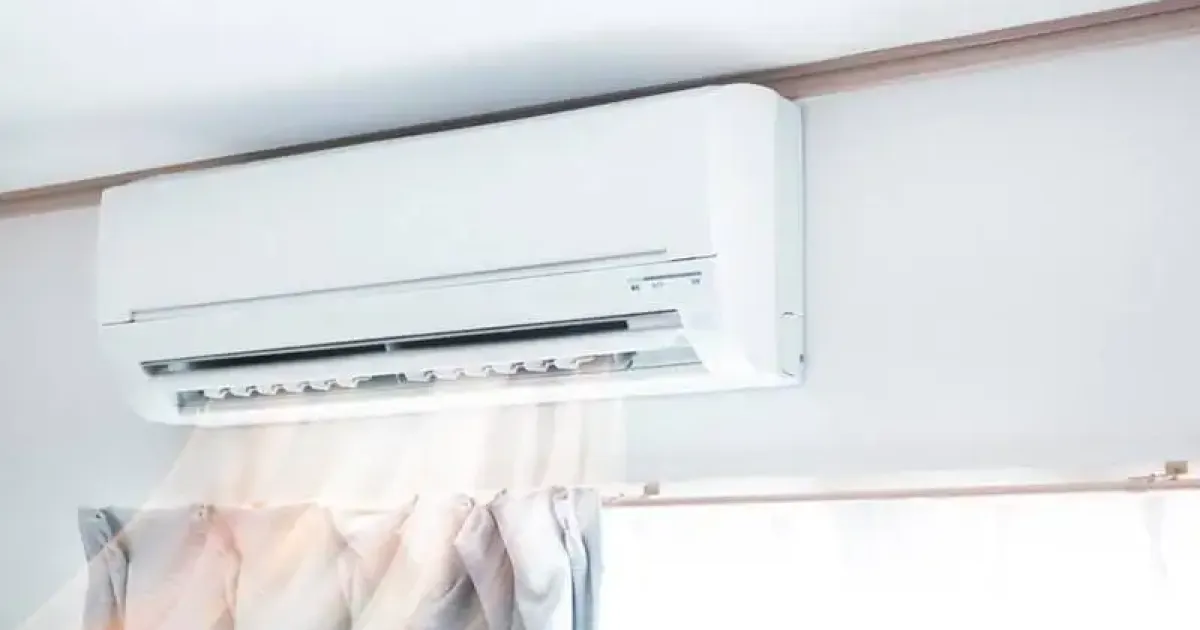
When the springtime pollen season hits, local homeowners often shut their windows and switch on air purifiers to try to keep the pollen out. Even with all of the windows shut, you may still notice yourself sneezing. Unfortunately, the cause of your non-stop allergies may be your heating, ventilation, and air conditioning (HVAC) system.
People often assume that staying inside is enough, but it is often the case that indoor air quality during Fort Collins spring weather is worse than outdoor air. As peak pollen season kicks into gear, pollen can get into your home and be recirculated by your HVAC system. Unless you are able to filter this pollen from the air, it can end up negatively impacting your family’s health and comfort.
Targeted upgrades and basic maintenance steps can make a major difference in how you feel each day. At Balance Point Heating, Cooling & Plumbing, we work to help Fort Collins allergy sufferers understand how their HVAC system impacts their indoor air quality (IAQ) and what they can do about it.
Why Fort Collins’ Springs Are Especially Tough for Allergy Sufferers
If you’re trying to improve air quality in homes in Fort Collins, it helps to understand why the area has such an issue. From our local landscape to our windy conditions, a conglomeration of different factors combine to leave you sniffling each spring.
The first problem is the landscape. Our area is home to many cottonwood, ash, and elm trees, which release pollen in the early spring. Meanwhile, grasses release pollen in the late spring and early summer.
Our windy, dry environment means any pollen present can spread far and wide. Rain washes pollen out of the air, so dry weather allows it to circulate longer. Plus, the winds mean pollen can spread far and wide.
Some of our local neighborhoods are especially prone to pollen problems. In Old Town, Prospect, Midtown, and other older neighborhoods, the mature tree canopy means that these areas have especially heavy pollen loads.
The reason why you suffer from poor indoor air quality in Fort Collins’ spring weather is due to the pervasiveness of pollen. When you shut up your home to keep pollen out, any pollen that has already entered will be continuously recirculated by your HVAC system until you invest in the right HVAC filter for allergies and remove the pollen from your indoor air.
How Your HVAC System Affects Indoor Allergens
Your HVAC system serves as the lungs of your family’s home. Air is brought into the HVAC system, conditioned, and then distributed to every room in your home. Because of this design, your HVAC system plays a central role in supporting your home’s indoor air quality.
Even with your doors closed, spring allergens can easily enter your HVAC system. For example, a dog or a child can track pollen indoors on their feet and clothes. Plus, pet dander is worse in the spring because pets shed as the weather warms up. You may also have to deal with dust mite particles and mold spores from a dirty evaporator coil.
Normally, your HVAC filter is responsible for filtering particles out of the air. However, its efficacy depends on how clean it is and what MERV filter rating you invested in. A poor-quality or dirty air filter will fail to capture pollen particles. Worse still, a clogged filter can hinder your airflow, stress your system, and lead to worse air quality.
Besides a dirty air filter, other delayed maintenance tasks can result in poor air quality. A dirty evaporator coil or drain pan can become a breeding ground for bacteria and mold. As mold and bacteria grow, they get pulled into the rest of your HVAC system and eventually end up in your living spaces.
What You Can Do: HVAC Steps To Reduce Spring Allergens
If you’re struggling with spring allergies and HVAC issues, you’re not alone. Fortunately, there are a few essential steps you can take to reduce spring allergens and enjoy a better level of comfort.
Change or Upgrade Your Air Filter
Replacing or upgrading your air filter is one of the most important things you can do to improve your air quality. Although each manufacturer has different requirements, air filters should generally be cleaned or changed every 30 to 90 days.
You should also check out the MERV rating on your HVAC filter. A high MERV rating means the filter works for smaller particles. If you have allergies, you’ll typically want a MERV 11 to MERV 12 filter.
However, it’s important to note that higher MERV ratings can restrict airflow if the system isn’t designed to handle it. When this happens, it can make your HVAC unit work harder than necessary and lead to higher repair costs. To avoid this issue, talk to one of our experienced HVAC technicians about the best MERV rating for your unit.
Schedule a Spring AC Tune-Up
Heat pump and AC maintenance is essential as we head into warmer weather. During a professional visit, our technician will clean your evaporator coil, test your airflow, check your refrigerant levels, and inspect your drain pan for signs of mold. By carrying out this tune-up each spring, you can ensure that all of the air circulating through your home is filtered by a clean, well-maintained HVAC system.
Consider Investing in a Whole-Home Air Purifier
If allergies are a consistent problem for your family, a whole-home air purifier may be the answer. With portable room units, only a single room’s air is filtered. A whole-home air purifier in Fort Collins can be integrated into your entire HVAC system. This ensures that every cubic foot of your air is cleaned.
Add a Whole-Home Humidifier
If you’re dealing with Fort Collins’ dry air in winter and spring, it helps to have a whole-home humidifier installed. Dry air can worsen allergies by irritating your nasal passages. To avoid this issue, you generally want to set your indoor humidity level to between 35% and 50% relative humidity.
Check and Seal Your Ductwork
In the typical home, 20% to 30% of the conditioned air that passes through ductwork is lost due to leaks. Besides increasing your energy bills, these leaks also allow unfiltered air to enter your air supply.
When a Filter Is Not Enough: Advanced IAQ Solutions
When it comes to the air filtration system homes and businesses use, it’s important to remember that a MERV filter is merely the first step. If you continue to experience allergy issues after updating and replacing your air filter, it may be time to consider other air purifiers, air cleaners, and ventilators.
- UV Air Purifiers: Germicidal UV lights are special because they don’t just filter pollen, bacteria, viruses, and mold spores. They actually neutralize them. If you have severe allergies or your evaporator coil stays damp, UV lights are especially effective.
- Whole-Home Electronic Air Cleaners: With an electronic air cleaner, electrostatic attraction captures ultra-fine particles. These particles are so small that even a MERV 13 filter would still be unable to catch them. Because of this, these air cleaners are effective tools for smoke, pollen, and fine dust. For your family’s well-being, you must periodically clean the collection plates.
- Energy Recovery Ventilators (ERVs): In modern times, homes have become better insulated. While these tightly sealed homes lose less heat, the tight seal also prevents fresh air from getting inside. An ERV can filter fresh outdoor air before it brings it into your home. It is equipped with an energy-recovery system, so you don’t lose as much energy in the process.
Each home is unique, so a one-size-fits-all approach is not a good idea. Instead, homeowners should get a professional IAQ assessment of their property. Once the assessment is done, our team can recommend the best course of action for your family and home.
Common Myths About Indoor Air Quality and Allergies
As residents prepare for a healthy spring, there are a few common IAQ myths that need to be dispelled.
Myth: If I shut my windows, it will completely stop pollen from getting in.
Reality: Unfortunately, this is not the case. Pollen can easily tag along with your clothing and pets. Even when your doors and windows are closed, it can enter through gaps. Additionally, any HVAC fresh air intake can allow pollen to get inside your home.
Myth: A higher MERV filter is always better.
Reality: When you get a MERV 13 filter or above, it can end up restricting airflow in your system. This forces your HVAC unit to work harder to push air through the system. In addition to reducing your energy efficiency, it can also cause added wear and tear on your blower motor.
Myth: Getting an air purifier means that I don’t have to do regular HVAC maintenance anymore.
Reality: While getting an air purifier can make your air cleaner, it doesn’t change how clean your HVAC system is. You will still need to schedule routine maintenance to clean a clogged filter, dirty evaporator coil, or leaky ductwork. Left untreated, these problems can negatively impact your indoor air quality, and your air purifier won’t be able to compensate for them.
Myth: Indoor allergy symptoms are always due to pollen.
Reality: While your indoor allergy symptoms may be due to pollen, there are also indoor allergens present that can affect you throughout the year. For example, many people are allergic to dust mites, mold spores, volatile organic compounds (VOCs), and pet dander.
Why Fort Collins Homeowners Trust Balance Point Heating, Cooling & Plumbing
At Balance Point Heating, Cooling & Plumbing, we have years of experience working with the local housing stock and in our local climate. We understand the type of AC maintenance Fort Collins residents require. From indoor air quality assessments to HVAC upgrades, we can help with all of your HVAC needs.
In the Fort Collins area, there are a few different factors that make good IAQ challenging. Older homes often have original ductwork, leading to duct leaks. In newer builds in Windsor and Timnath, there is less natural ventilation. As a result, the type of HVAC setup you need will vary based on your home type.
No matter where you live, you’ll experience Northern Colorado’s low humidity and high pollen counts. Thanks to the windy nature of our springtime climate, pollen can quickly blanket a large area. Now that we have extended wildfire smoke events every year, there are also several weeks where we experience unhealthy outdoor air.
As local residents, our HVAC technicians understand how important whole-home comfort is to Fort Collins families. This is especially true if you have elderly family members, children, or anyone with respiratory problems in your home.
Take the First Step in Tackling Your Allergies
When it comes to indoor air quality during a Fort Collins spring, you have options. As the spring pollen season arrives, there are effective tools you can use to avoid the misery of seasonal allergies.
Ready to breathe easier this spring? Schedule a spring AC tune-up with Balance Point Heating, Cooling & Plumbing and ask our technicians about whole-home air purification options. Call 970-345-3361 or book online.
Service Request
"*" indicates required fields