

Why Your Water Heater Makes Popping Noises
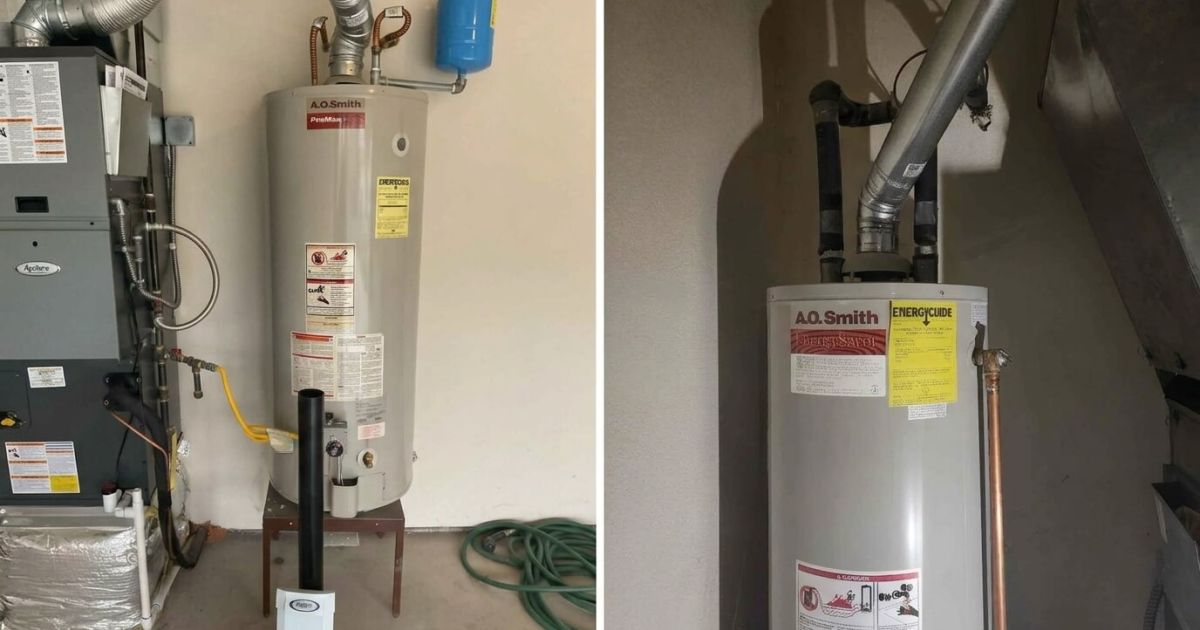
Many homes in the Loveland and Fort Collins area have hard water, which can lead to mineral buildup in your plumbing system. If you notice your water heater making a popping noise, the bottom of the tank may have too much sediment.
A popping noise generally is not an immediate emergency, but it is a maintenance problem that should be addressed. By reaching out to Balance Point Heating, Cooling & Plumbing, you can schedule your routine water heater maintenance and repairs.
What That Popping Sound Means
As a homeowner in Northern Colorado, you may sometimes notice your water heater making a popping sound or rumbling noise after a heating cycle. It may sound like something is percolating in the unit.
This type of noise frequently occurs when sediment builds up in the tank. Over time, mineral particles can settle at the bottom of the tank and form an insulating layer. The popping noise you hear is from water that is trapped under that sediment layer. As the water boils and bubbles through the sediment layer, it creates a rumbling sound.
While this issue should be addressed, it generally is not an emergency. By understanding which water heater sounds matter and which do not, you can learn when you should reach out for professional help.
Why Sediment Builds Up, Especially Here
Locally, our water heaters experience more sediment buildup because of the hard water in our area. Hard water contains more dissolved minerals, which can collect at the bottom of your tank and form a layer of sediment.
When your water heater turns on, the gas burner heats the bottom of the tank, or the electric heating elements heat the water directly. The sediment traps water against the heat source, which starts to overheat and bubble up. This is the source of the popping or rumbling noise you hear.
For homeowners in Northern Colorado, there are options that can help with sediment buildup. Water softeners, better filtration, and consistently flushing your tank can all reduce how sediment accumulates.
Why the Noise Matters
While a popping or rumbling noise may not be an emergency, it is still a symptom you should deal with. If the rumbling sound is allowed to continue, it can result in the following issues.
- Lost Efficiency: When sediment insulates the bottom of your tank from the burner, the heater has to work harder to warm up the water. This causes reduced energy efficiency and higher energy bills.
- Shorter Tank Life: Because the water heater has to work harder to heat water through the sediment, it can cause added heat stress on the bottom of your tank. The overheating can accelerate the pace of wear and corrosion, shortening the life of the tank.
- Reduced Hot Water Capacity: Sediment can take up space that would otherwise hold hot water in your tank. As a result, you may notice that your hot water supply seems to be shrinking.
- Early Warning: Popping noises matter because they are an early warning sign. When your tank goes from being quiet to loud, it means that there is an issue that should be addressed before it causes more damage to your tank.
Other Water Heater Noises and What They Mean
So, why is my water heater so loud? The cause of the noise is connected to the kind of noise you are hearing. While a popping noise is usually sediment, other sounds indicate different problems.
- Crackling or Sizzling: When these noises occur on gas units, they indicate that there is condensation on the burner. This is often a completely normal symptom. However, you should reach out for help if this noise is heard on an electric unit because it may indicate mineral buildup on the heating element.
- Ticking or Tapping: These types of sounds can occur when the pipe expands and contracts, which is completely normal. While ticking and tapping sounds are generally harmless, they can also occur due to a heat trap or check valve.
- Screeching or Whistling: A water heater that screeches or whistles may have a restricted valve or partially closed inlet. The sound is produced because the water is being forced through a narrow opening.
- Humming: A humming noise may occur on electric units if an element is vibrating as water flows by it. In most cases, this is just a minor issue.
- Banging or Hammering: In general, banging and hammering are due to water hammer in the pipes and not the water heater itself.
If you notice persistent popping, banging, sizzling, or screeching sounds, you should have them inspected by a professional.
What You Can Do and What Needs a Pro
As a homeowner, there are a few troubleshooting steps you can use before you call our team for Fort Collins water heater service.
What You Can Do
Start by noting when the noise started and whether it seems to be getting louder. If it is safe to do so, check the temperature setting. Pay attention to any signs of a leak, which indicate that your unit needs immediate repairs.
If you know how to flush the tank according to the manufacturer’s specifications, you can drain and flush the sediment yourself. This task involves hot water as well as shutting off the gas and power, so you may want to have a professional do it. Additionally, it is a good idea to have one of our plumbers flush your tank if it is older because flushing can expose weak spots in aging tanks.
When to Call for Help
You should call Balance Point if the noise is persistent or worsens. Professional help is necessary if your tank has not been flushed in a long time, there are any leaks present, or the unit is aging. Rust-colored water also calls for professional help.
Never ignore a popping tank that is also leaking. If you notice any signs of a water leak, immediately call our team for help.
When to Call Balance Point
A leaky water heater can cause significant water damage. At the very least, a malfunctioning heater can result in higher energy costs and a restricted hot water supply. You can prevent additional issues by calling Balance Point if you experience any of the following situations.
- You notice the popping or rumbling noise is getting louder or will not go away.
- There is leaking, pooling, or rust-colored water.
- Your tank has never been flushed, or it has been a long time since the last flush.
- The tank is older, and you want it assessed before it unexpectedly fails.
- You notice reduced hot water.
- Your energy bills increased without any change in your habits or utility rates.
FAQs
Why is my water heater making a popping noise?
In most cases, a water heater’s rumbling noise or popping sound is from sediment in the bottom of the tank. As trapped water boils and bubbles up through the sediment, it causes this type of sound.
Is a popping water heater dangerous?
A water heater making a popping noise generally is not an immediate emergency unless you notice a leak as well. However, the sediment buildup that causes this issue can lower the energy efficiency of your tank and reduce its lifespan over time.
Can I fix a noisy water heater myself?
The typical way to fix this issue is by flushing the tank, which can be done by the homeowner. Because flushing the tank involves hot water and shutting off the gas or power, many homeowners opt to have this task done professionally.
Does hard water cause water heater noise?
Yes, it can. Northern Colorado is known for its hard water, which can cause minerals to build up inside the tank faster. As a result, we often hear complaints about popping noises.
How do I prevent sediment buildup?
You can prevent sediment from building up by regularly flushing the tank. Using a water softener can also reduce the amount of minerals that collect inside the tank.
Resolve Your Unusual Water Heater Noises
Uncertain why your water heater is making a popping noise? Balance Point can inspect your plumbing system, flush your water heater, and assess your unit. Our team offers upfront pricing and flexible financing throughout the Fort Collins and Loveland area.
We will check your tank, clearly explain our findings, and help you decide the best solution.
Reach out to book a water heater assessment today.
Service Request
"*" indicates required fields