

Why Are AC Vents Sweating? Causes and Fixes
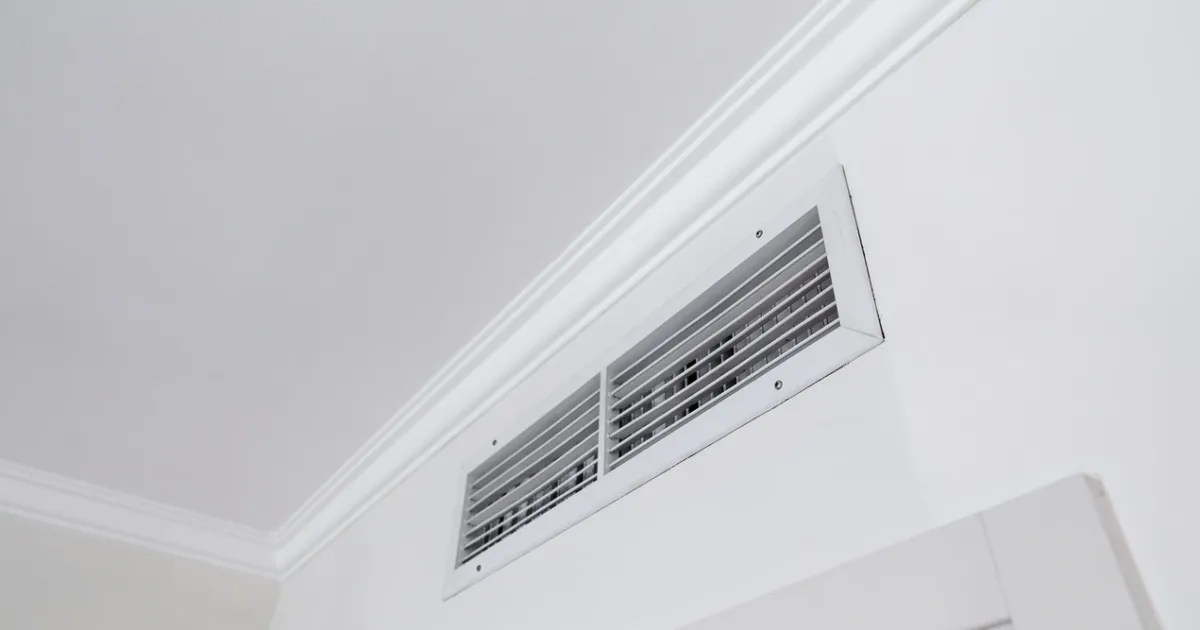
Dripping water, unexplained moisture, and high indoor humidity levels are generally not good signs. If your AC vents are sweating, there’s likely an underlying issue that needs to be fixed. By partnering with the indoor comfort specialists at Balance Point Heating, Cooling & Plumbing, you can make sure your heating, ventilation, and air conditioning (HVAC) system is ready for summer.
So, why does condensation form on windows and vents? More importantly, how can you stop it? Read on to learn more.
Signs Your Sweating AC Vents May Indicate a Bigger HVAC Problem
If your AC vents are sweating, there are a few other signs to watch out for. These additional symptoms mean that something larger may be wrong, and you might need professional AC help.
- Whistling and Excessive Dust: If you hear whistling noises or notice an unusually high level of dust in your home, you may be dealing with duct leaks.
- High Indoor Humidity: Indoor air quality (IAQ) issues should always be investigated. If your relative humidity (RH) is unusually high, it may be due to short cycling or an oversized AC.
- Frozen Coils: Frozen coils and sweaty vents can both occur because of dirty evaporator coils and clogged air filters.
- Uneven Performance and High Energy Bills: When you have damaged or missing duct insulation, it can result in uneven room temperature and higher-than-normal energy costs.
- Sagging Drywall and Water Stains: If condensation isn’t fixed, it can affect the structure of your home. As a result, you may notice sagging drywall or water stains.
Common Causes of Sweating AC Vents
If you’ve been wondering, “Why are my AC vents sweating?”, there are a few AC vent condensation causes that may be at fault.
Oversized ACs
When your home experiences high humidity, HVAC problems are a possible cause. An oversized unit can cool your home too quickly and shut off. Because of this, the unit isn’t on long enough to reduce your home’s humidity level.
Indoor Humidity Sources
HVAC humidity problems can also happen because of bathing, cooking, doing laundry, and performing other activities. To avoid high humidity levels, you should always use your exhaust fan when you’re cooking or showering.
Low Airflow
Airflow problems can cause cold air to linger longer on the vents. Because this makes the vents extra cold, it can cause AC vent sweating.
Frozen Coils
Frozen evaporator coils can happen because of airflow or refrigerant problems. The frozen coils can overcool the supply air, leading to colder vents and condensation.
Troubleshooting Steps Homeowners Can Try
If you noticed ductwork condensation or your air vents leaking water, there are a few troubleshooting steps you can try.
- Change dirty air filters to improve airflow.
- Adjust your thermostat slightly higher to reduce excessive cooling and help prevent condensation.
- Inspect your duct insulation for signs of damage.
- Use exhaust fans in your kitchen and bathroom.
- If you have a whole-home dehumidifier, lower your indoor humidity.
When To Call an HVAC Professional
If you’re looking for the answer to, “Why does condensation form on windows?”, we can help. With our same-day services and prompt repairs, our team can show you how to stop AC vents from sweating.
We recommend calling our comfort specialists for repairs if you notice any of the following symptoms.
- Your AC performance varies from room to room.
- Basic troubleshooting steps failed.
- You notice a moldy or musty odor.
- There are signs of water damage, such as sagging drywall.
- The electricity bill jumped for no obvious reason.
- There is poor airflow in your home.
- Your family’s comfort is impacted.
How HVAC Professionals Fix Sweating AC Vents
With the help of our reliable repair and maintenance experts, you can quickly diagnose the underlying cause of your sweaty AC vents. Our team will start by inspecting your unit for performance, electrical, and airflow problems. We’ll look at your duct insulation and ductwork for signs of leaks or damage.
Depending on the cause, we can help through duct sealing, updating your duct insulation, or cleaning your coils. We can also perform a Manual J calculation to determine your ideal AC capacity. If the indoor humidity level is the issue, our team can install a whole-home dehumidifier.
How To Prevent AC Vent Condensation in the Future
Routine maintenance and scheduled tune-ups are among the most effective ways to prevent future condensation problems. As a homeowner, you can help by changing your air filter every 30 to 90 days, cleaning around your outdoor unit, and remembering to use your exhaust fan. If sweaty vents are still a problem on especially hot days, you can try raising your indoor air temperature.
Why Homeowners Trust Balance Point Heating, Cooling & Plumbing
Denver and Littleton residents turn to our trusted HVAC troubleshooting experts for a few key reasons.
- Same-Day Services: We believe you shouldn’t have to wait when you’re dealing with comfort issues.
- Customers for Life: Our team won’t just sell you on a product. We’re committed to creating customers for life, so we focus on providing long-term, reliable solutions.
- Trusted Advisors: When you work with Balance Point, you can count on receiving honest recommendations.
- Problem Solvers: No matter how hard a problem is, we won’t quit until we’ve found the best solution for your family.
- Customer Education: From our pricing transparency to our processes, we’ll keep you informed every step of the way.
Frequently Asked Questions About Sweating AC Vents
Why are my AC vents sweating?
AC vents sweat when the temperature of the vent is colder than the surrounding air’s dew point. At this point, the water vapor in the air condenses and turns to a liquid. Underlying factors contribute to condensation on air vents, such as extremely humid air, excessively cold indoor air, poor duct insulation, or restricted airflow.
Is condensation on AC vents normal?
Although it is a common symptom, it isn’t a good sign. AC vents sweating can occur because of airflow, insulation, and IAQ causes. Left untreated, sweaty AC vents can lead to mold growth and respiratory problems. Additionally, the underlying airflow, IAQ, or insulation problem can result in increased wear and more frequent breakdowns.
Can sweating vents cause mold growth?
Absolutely. On a damp surface, mold can start growing in just 24 to 48 hours. This is why it’s so important to get HVAC problems addressed promptly.
How do I stop water from dripping out of the air vents?
If you have water dripping from your AC vents, the only way to fix it is by resolving the root cause. You can troubleshoot airflow problems by replacing the AC filter. Then, check the condensate drain line for clogs and clean as needed. If you can access it, you can check the duct insulation in your crawl space or attic. For humidity problems, try lowering your indoor humidity level.
Can high humidity make AC vents sweat?
Yes, it can. When the air is more saturated with moisture, it raises the dew point. In turn, this causes condensation to happen at a higher temperature.
Should I worry about condensation around vents?
You should address condensation for two main reasons. First, the underlying cause can lead to wear, repairs, and performance issues, so you should diagnose and resolve it promptly. Second, the condensation alone can lead to mold and mildew growth, which impacts your family’s health and comfort.
Schedule an HVAC Inspection Today
If you’re wondering, “Why does condensation form on windows and vents?”, our whole-home humidity and airflow professionals can help. We’ll identify the root cause of your vent condensation. Whether you need duct sealing or airflow improvements, we will quickly work to ensure you have a comfortable, cool home.
Learn more by reaching out to our comfort specialists today.
Service Request
"*" indicates required fields