

Air Handler Troubleshooting: Fan, Control Board, and Airflow Issues
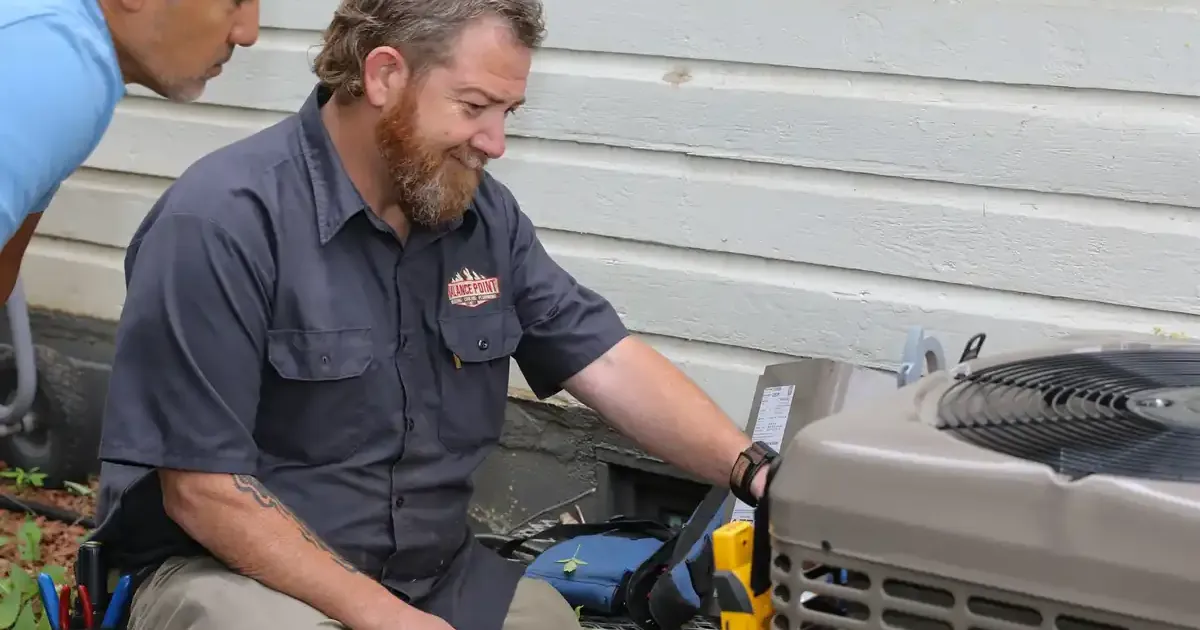
Weak airflow and inexplicably high energy bills could be the first signs that your air handler is not working. While a failing air handler might work fine most of the time, a sudden heat wave can push its abilities to the limit. If it fails completely, Balance Point Heating, Cooling & Electrical can help you quickly diagnose the underlying problem.
To learn more about blower fan and air handler control board troubleshooting, read on.
What the Air Handler Does and Why It Matters
The air handler is responsible for moving conditioned air throughout your home. It relies on a blower fan to propel air through your ductwork. Meanwhile, the control board manages when and how the fan and the other components operate.
When an air handler is not working, it can present in different ways. You may notice weak airflow, a fan that runs constantly, no airflow, or a unit that refuses to turn on. Ultimately, all of these symptoms are due to one of three issues: a faulty fan, a control board problem, or an airflow restriction.
Fan and Blower Motor Issues
The blower fan is the most visible point of failure because a faulty blower motor can immediately stop conditioned air from reaching each room. To help you understand fan and blower motor problems, let’s look at a few common scenarios and what they mean.
- Fan Will Not Start: If your air handler fan is not running, it may be due to a motor failure or control signal issue. Additionally, a malfunctioning capacitor can keep your blower motor from switching on.
- Fan Runs Constantly: In most cases, this is due to the fan setting on your thermostat, a stuck relay, or an issue with your control board. While you can easily troubleshoot thermostat settings on your own, other problems should be addressed by a professional.
- Weak or Reduced Airflow: When your airflow starts to decline, it may be because your heating, ventilation, and air conditioning system (HVAC) has worn bearings or a failed motor. Excessive dust around the blower wheel can also lead to this problem.
- Unusual Fan Noises: If you notice grinding, rattling, or squealing noises coming from your blower fan, there is likely a problem with the blower motor balance or your bearings.
While basic maintenance and thermostat adjustments can be handled on your own, other issues must be diagnosed by a professional to prevent further damage to your HVAC system.
Control Board Issues
Your control board is like the brain of the air handler. If it isn’t functioning, the rest of the air handler won’t run properly. Most air handler control board troubleshooting and repairs can only be done by a professional HVAC technician.
To figure out what’s going on with your HVAC system, check out some of the following symptoms and what they mean.
- No Power or No Response: This often stems from a loss of power to the board, a failed transformer, a blown fuse, or a failed control board.
- Intermittent Operation: If your control board starts and stops at unpredictable intervals, you’re either dealing with a loose electrical connection or a failing board. Both of these problems can only be addressed by a professional.
- Error Codes or Blinking Diagnostic Lights: When a fault occurs in the air handler, most boards will flash a code that indicates the problem. To determine what the blink pattern means and how to repair your system, you should reach out to one of our HVAC technicians for help.
- Burned Odors or Visible Damage: Any time there is scorching or signs of corrosion on the board, you should immediately call for help.
If you think your control board is not working, don’t try to fix it on your own. For your safety, you should never touch electrical wiring or components. Additionally, you should not continue resetting a system that continues to have error codes or other issues because this can lead to increased damage. In order to safely diagnose your control board, you should schedule professional repairs.
Airflow Issues
If your air handler is blowing weak air or no air at all, you may be dealing with an airflow problem. Often, airflow issues are the first symptom homeowners notice when something is wrong with their air handler.
- Clogged or Dirty Air Filters: By far, this is the most common source of airflow problems. It also happens to be the easiest to fix. By regularly replacing your air filter, you can protect your HVAC system from damage and ensure a consistent airflow.
- Closed or Blocked Vents and Registers: When vents and registers are obstructed, it prevents proper airflow. The increased pressure in your ductwork can also be damaging to your HVAC system.
- Dirty Blower Wheel or Coil: Dust can build up on these components, causing airflow restrictions and strain on the motor.
- Duct Issues: An estimated 20% to 30% of conditioned air that passes through ductwork is lost due to leaks, leading to higher energy costs. Additionally, duct leaks can cause poor indoor air quality, sweating AC vents, and unusual noises. By fixing leaks, disconnects, and blockages, you can improve airflow and lower your energy bill.
If you have weak airflow but not obvious issues with your filter or vent, there is likely an issue with your fan or control board. Our team can help by diagnosing the problem and determining if an AC replacement or repair is the best option.
Safe Checks Before You Call
Before you call us for Fort Collins air handler repairs, there are a few safe troubleshooting steps you can take on your own.
Check 1: Adjust the Thermostat
Look at your thermostat settings to verify that its fan and temperature settings are correct.
Check 2: Change the Air Filter
Air filters should generally be replaced every 30 to 90 days, depending on the manufacturer. Dirty filters can reduce airflow and eventually lead to other problems, such as a frozen evaporator coil. To confirm whether this is the issue, inspect your air filter and replace it as needed.
Check 3: Open Your Vents
To prevent and resolve airflow problems, check each vent and register in your home to confirm that they are open and unobstructed.
Check 4: Check Your Breaker
If your air handler has no airflow, you can try checking the breaker. If the breaker has tripped, reset it once. For repeatedly tripped breakers, call for repairs.
Check 5: Note Unusual Noises and Blinking Diagnostic Lights
Pay attention to any unusual noises or blinking diagnostic lights on the air handler control board. While you cannot resolve these problems on your own, you can relay them to the technician when you reach out for help.
You can use the previous air handler control board troubleshooting tips on your own. For the safety of your home and family, you should never open the control board or attempt electrical repairs on your own. Additionally, don’t keep resetting a system that continues to have problems because this will only lead to more damage and potential safety hazards.
When To Call Balance Point Right Away
At Balance Point, we’re here to help with all of your AC repairs and replacements. We also offer a convenient membership plan with complimentary tune-ups, so you can prevent future breakdowns from happening. If you experience any of the following situations, you should reach out to Balance Point right away.
- You noticed burning odors or visible scorching on the control board or blower motor.
- After adjusting the thermostat settings and checking the power, the fan still won’t run.
- You continue to have weak airflow, even though your filter, vents, and ducts appear to be fine.
- Your system keeps faulting, tripping the breaker, or shutting off.
- There are vulnerable family members in your home who can’t safely handle periods of extreme weather without conditioned air.
If you’re dealing with cooling loss instead of just airflow problems, the underlying problem may be related to a faulty compressor or other AC issues. By reaching out to our technicians, you can get help with all of your Fort Collins and Loveland HVAC problems.
Frequently Asked Questions
Can I fix an air handler control board myself?
No, repairing air handler control board problems is not safe to do on your own. Because of the live electrical components involved, you should reach out to a professional HVAC technician for your board diagnosis and replacement.
Why is my air handler running but not moving air?
If you notice your air handler is running but not moving air, a few issues could be at fault. Most likely, this is due to a clogged air filter, a faulty blower motor, or a control board problem. As a homeowner, you can safely troubleshoot by replacing the air filter. However, you’ll need to schedule service if a new filter doesn’t solve the problem.
Diagnose Your Air Handler Issues
Struggling with an air handler blowing weak air? Balance Point offers same-day diagnostics, 100% no-interest financing, and upfront prices in the Loveland and Fort Collins area.
Our team will quickly work to diagnose the cause. Afterward, we’ll explain the solution clearly so that you can make an informed decision without any pressure.
Need help with air handler control board troubleshooting? Schedule your professional diagnostics today.
Service Request
"*" indicates required fields