

Noisy Furnace? What Those Bumps, Rattles & Squeals Really Mean
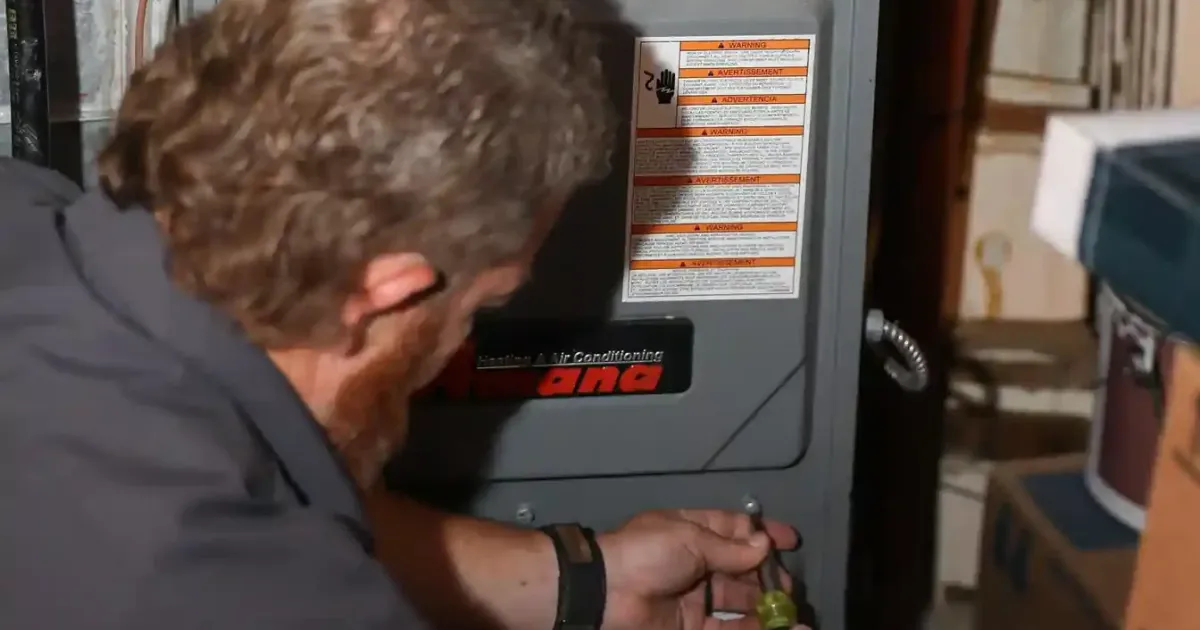
When winter cold snaps occur along the Front Range, a reliable furnace is not a luxury. Nobody wants to leave their family shivering on subzero nights.
After a long snow and ice season, furnaces can start to show signs of wear. Often, the first sign of a problem will be a furnace making a noise it did not make last year.
To help you navigate winter weather with ease, we have compiled a list of the most common bumps, rattles, and squeals. This guide covers when you can remedy the issue and when you need professional care. When in doubt, don’t hesitate to call Balance Point Heating, Cooling & Plumbing for emergency help.
A Quick Safety Note: If you smell gas or the odor of rotten eggs, see smoke, or hear a loud popping noise, shut off your furnace immediately at the thermostat. Then, turn it off at the breaker panel as well. Then, immediately call for emergency services. In the case of gas odors, you should also evacuate the premises and call your gas company or emergency services to shut off your gas lines until the leak is found.
What That Noise Likely Means
Before a furnace completely breaks down, it will normally show signs of a potential problem. The useful part is that the noise itself tells you how urgent the problem is. Some sounds are normal, some can wait for the next available appointment, and a few mean the furnace should be shut off before you finish reading. The sections below sort them.
Banging/Booming on Startup
Possible Causes: A furnace banging noise can occur if gas is building up before it ignites. This basically causes a miniature explosion. This problem may also be due to dirty furnace burners or your ductwork expanding as it heats up.
Action: Although some furnace duct noises are bound to happen, you should never hear a loud bang. If the underlying cause is the burners or a delayed ignition, you need professional furnace repairs to keep the heat exchanger from being harmed.
Rattling/Vibrating
Possible Causes: A furnace rattling sound can happen if the blower wheel is not balanced or the access panel has become loose. It can also occur due to debris in your ductwork or a faulty motor mount.
Action: To troubleshoot some of these causes, start by making sure every access panel has been fastened securely. If this does not solve the problem, you will need to reach out for professional HVAC repair in Fort Collins. Left untreated, the ongoing vibrations can cause significant harm to your HVAC system, so schedule a repair appointment right away.
Squealing/Screeching
Possible Causes: If you have a furnace squealing noise, the likely cause is a metal-on-metal problem. For example, you may have faulty motor bearings or a worn blower belt.
Action: If your furnace is making noise, don’t ignore it. Squealing and screeching sounds are serious issues, and your furnace can seize if you keep using it. Shut off your furnace and immediately call for an emergency furnace repair.
Humming/Grinding
Possible Causes: The sound of a furnace humming indicates that the motor is struggling to start. Alternatively, you may have a failed capacitor. If you hear a grinding noise, the motor bearings may need to be replaced.
Action: Listen to the sound to see whether it seems like your furnace’s normal, operational hum or a louder hum. Call for help if there is a loud, aggressive hum. Grinding noises mean your furnace is about to fail, so you need a professional furnace replacement or repair.
Whistling
Possible Causes: You might notice a furnace noise when running that sounds like whistling. This sound typically stems from an airflow problem, such as blocked vents, clogged air filters, or leaky ductwork.
Action: Larimer County homeowners can often fix this issue on their own by replacing air filters and opening vents. Our guide to how often to change an air filter covers what shortens that interval here. If this does not solve the problem, you may need to schedule a duct sealing appointment.
Clicking/Popping
Possible Causes: A couple of clicking noises are normal when your furnace starts up, and the metal expands or contracts. Continuous clicking means the system is not lighting properly, so your sensor or ignitor may be faulty.
Action: Listen to the noise to see if it is ongoing or not. For repeated clicking, schedule a furnace tune-up and inspection.
Why Fort Collins Homes Are Prone to Furnace Noise
In Northern Colorado, the high-elevation dryness and dusty climate mean filters often clog faster. This starves your HVAC system of air and can increase the likelihood of unusual noises happening. At the same time, the frequent freeze-thaw cycles create added stress on the furnace’s components and ductwork.
Each home type requires different care and is prone to different noises. In our area, we have older homes near Old Town that have aging duct systems, making popping noises more common. Meanwhile, the new builds in the Timnath/Windsor corridor are so new that they may still have construction debris inside the vents. This debris can cause rattling noises.
No matter what type of home or neighborhood you live in, we understand the kind of furnace maintenance Fort Collins residents need. We know when a furnace blower noise indicates a faulty blower motor or a poorly balanced wheel. For help with furnace repairs and maintenance, reach out to our licensed HVAC technicians today.
DIY Checks You Can Safely Try
A few basic checks will tell you whether you have a simple airflow problem or something that needs a technician, and none of them require opening the furnace. Running through them before you call means the conversation starts with real information. They also rule out the easy explanations, which is worth doing before anyone quotes you.
- Change or replace your air filter.
- Make sure your vents and registers are open and are not blocked by furniture.
- Securely fasten access panels so that they do not make any noise.
- Clear away leaves, debris, and snow around your intake and exhaust pipes.
- Never open the furnace cabinet to fix internal components on your own.
- Never keep running a furnace that makes a loud grinding or screeching noise.
When to Call a Professional
A loud furnace at startup, grinding noises, and squealing sounds are all signs that you need to immediately schedule furnace repairs. Rattling panels can typically wait for the next available appointment. By reaching out to Balance Point Heating, Cooling & Plumbing for a furnace inspection and repairs, you can prevent a small noise from causing a catastrophic mid-winter breakdown.
To prevent future noises, remember to schedule an annual fall tune-up. During the tune-up, we can clean burners, tighten components, lubricate motors, inspect the blower assembly, and prevent furnace noises from happening. Going into a Northern Colorado winter knowing the system has been checked is worth a good deal of peace of mind. Through our convenient membership plan, you can take advantage of complimentary tune-ups as well as exclusive promotions.
Frequently Asked Questions
What furnace noises are normal?
A short click at startup and shutdown, a quiet steady hum while the burner runs, and occasional ticking or popping as ductwork expands and contracts. Anything loud, new, or metallic is worth investigating.
Is it normal for a furnace to make a booming noise?
No. A boom or loud bang at startup usually means gas has pooled before igniting, and repeated delayed ignition can damage the heat exchanger. It needs a technician rather than monitoring.
Why is my furnace loud when it starts up?
Startup is the noisiest part of the cycle, so some sound is expected as the ignitor fires and the blower spins up. What matters is whether the sound is new. A startup noise that has changed since last season is usually the first sign of a developing fault.
Can I keep running a furnace that is making noise?
It depends on the noise. Rattling panels and mild duct popping can wait. Grinding, screeching, or squealing means shutting the furnace off, because those sounds indicate metal-on-metal contact that can seize the motor. Any burning smell or gas odor means shutting it off and calling immediately.
Why is my furnace louder this winter than last?
Components loosen, bearings wear, and filters clog faster in the dry, dusty air here than manufacturer intervals assume. A furnace that has gained a new sound over the summer is usually telling you the fall tune-up is overdue.
Get Reliable Help With Unusual Furnace Sounds
When your furnace is making noise, it’s trying to tell you something. Furnaces rarely break down without prior warning. By responding to unusual furnace sounds, you can avoid a total furnace failure during Northern Colorado’s cold winter nights.
Looking for a heating repair near you? We can help. Balance Point Heating, Cooling & Plumbing’s team of HVAC experts is available for timely maintenance and emergency repairs. Call today for fast, reliable services in Fort Collins and surrounding areas.
In summer, the same diagnostic logic applies to cooling equipment. Our guide to what a loud air conditioner is telling you covers the warm-season equivalent.
Service Request
"*" indicates required fields