

Why Is My AC So Loud? Common Noises and What They Mean
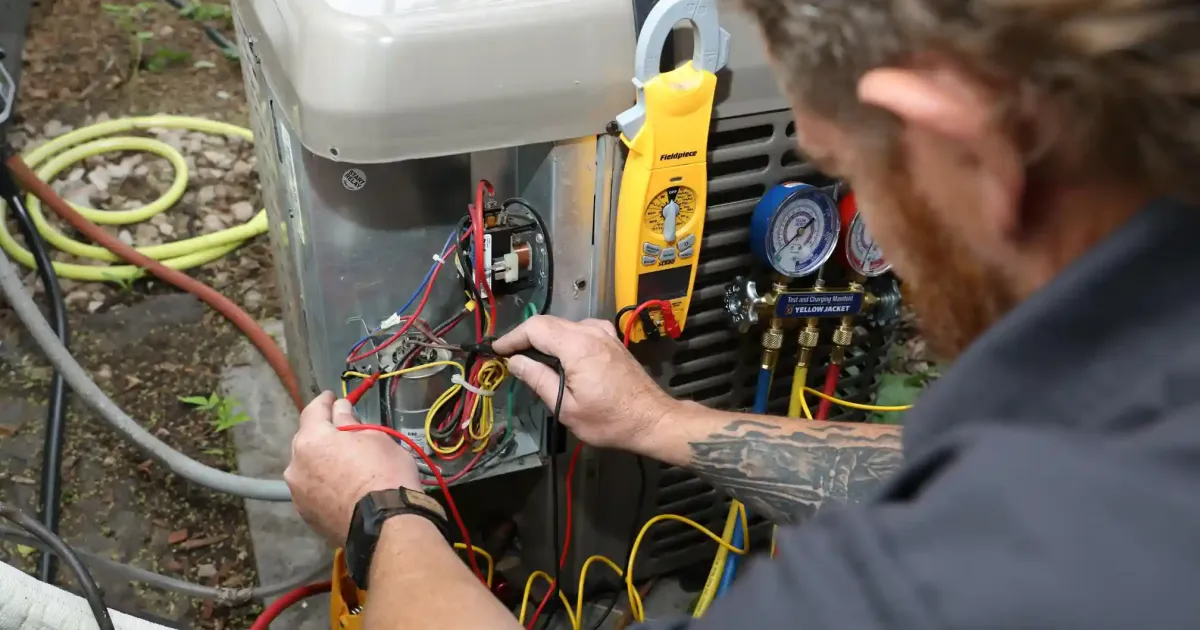
An unexplained hissing noise or clanging sound can inspire panic during one of Fort Collins’ heat waves. When odd noises occur, there are a few steps homeowners can take to find the underlying problem. If basic troubleshooting does not help, professional diagnostics are necessary to determine the issue.
So, why is my AC so loud? More importantly, what can you do about it? By reaching out to Balance Point Heating, Cooling & Plumbing, you can get help diagnosing and repairing your AC problems.
Not Every Loud AC Means the Same Thing
While some AC sounds mean you may have airflow issues, electrical malfunctions, loose parts, or worn components, not every sound is a cause for concern. For example, most homeowners hear a clicking noise as an AC starts up and a light humming sound as it operates. The important thing is learning when an AC noise means repairs and when the sound you hear is a part of the unit’s normal operations.
Sounds That Are Usually Normal
Before you can determine whether your AC noise is an issue, it helps to understand what types of sounds are normal with a well-maintained AC. When in doubt, you can always reach out to Balance Point Heating, Cooling & Plumbing for professional help.
Startup and Shutdown Sounds
When your AC shuts down or first starts up, you’ll often hear a click. A slight clunk or sigh is also common as the compressor turns off.
Normal Operational Noises
During normal operations, you will likely hear a quiet, consistent hum. As the temperature of the ducts changes, normal expansion and contraction can cause a slight ticking, popping, or crackling sound.
Common AC Noises and What They Often Mean
To find out, “Why is my AC so loud?”, let’s take a closer look at what different AC sounds mean.
- Banging or Clanking: Investigating an AC banging noise and what it means requires a professional. These types of sounds are likely caused by faulty fan blades, malfunctioning blower motors, and broken motor mounts.
- Buzzing: When you hear a buzzing sound, it is often due to an electrical problem, a contactor issue, or loose wiring. It can also be caused by debris. Buzzing that comes with a burning smell or a tripped breaker means the unit should be shut off rather than investigated.
- Rattling: A rattling noise is often due to a component moving, such as a loose panel, cabinet vibration, or loose screws. You can try tightening loose screws on your own, but you should never open a panel or cabinet yourself.
- Hissing: Hissing can happen because of ductwork or refrigerant leaks. You should turn the air conditioner off because a refrigerant leak means the system is losing charge and will keep running undercharged until it is repaired, which strains the compressor and costs you cooling capacity. Our team can also handle your ductwork inspection and repairs if leaky ducts are the underlying cause.
- Screeching or Squealing: If your outdoor AC unit is loud in Northern Colorado, you may be dealing with worn fan motor bearings or loose parts. Squealing noises can also be caused by a failing compressor or high-pressure conditions. Because of the risk to your motor and compressor, these noises mean you should turn your AC off right away.
- Repeated Clicking: Repeated clicking may be due to a problem with your thermostat or a control issue. It can also be a hard-start behavior. While a thermostat issue does not have to be addressed right away, you should immediately shut off your AC if the clicking sound occurs with a burning odor, because this could be due to an electrical malfunction.
- Loud Humming With Poor Cooling: This likely means you have a strained compressor or startup component, so immediately turn off your AC and call for repairs. A loud or abnormal hum is the system telling you it is struggling, and leaving it running risks burning out the component that is labouring.
If you’re dealing with unexpected AC repairs, our team can help. We also offer a convenient membership plan that features complimentary tune-ups and discounts on repairs, so you can prevent future malfunctions. When the seasons turn, our guide to furnace noises and what they mean covers the same diagnostic approach for heating equipment.
What Homeowners Can Safely Check
In Northern Colorado, homeowners have to contend with added dust, hail damage, and debris. In established neighborhoods, aging cooling systems are more likely to break down.
As a homeowner, there are a few steps you can take as part of your Colorado AC noise troubleshooting.
Check 1: Replace the Air Filter
A clogged filter can impede airflow and lead to an air conditioner buzzing or rattling in Loveland. Fortunately, this can be easily fixed by cleaning or changing the air filter.
Check 2: Clean the Outdoor Unit
Remove any leaves, cottonwood, and debris that are within 2 to 3 feet of the outdoor condenser.
Check 3: Look for Loose Panels and Fasteners
Inspect your unit for loose exterior panels or fasteners. You can tighten any loose screws on your own, but you should never open the access panels.
Check 4: Note When the Sound Occurs
The type of sound and the timing of when it occurs indicate the problem. Before you call a heating, ventilation, and air conditioning (HVAC) technician for help, note whether the noise occurs during startup, shutdown, or normal operation. If the sound is severe, shut off your unit immediately.
Important Safety Note: Never attempt to repair electrical, mechanical, or refrigerant-based components on your own. For the safety of your family and the air conditioning system, these tasks should be left to the experts.
When Loud Noise Means Turn It Off
If you hear any of the following loud noises, you should immediately shut off your AC to avoid serious damage and potential safety hazards.
- Metal-on-metal banging noises
- Burning odors
- Frequently tripped breakers
- Severe humming paired with poor cooling performance
- The sudden development of screeching or grinding sounds
- Hard-start behavior
Frequently Asked Questions
When is AC noise normal, and when is it a problem?
A steady fan sound or light hum is normal. If you notice a loud humming with weak cooling performance, banging noises, or an electrical buzzing, you should immediately call for professional repairs.
Should I keep running a loud AC?
If you have an AC making a loud noise in Fort Collins, you should turn it off and schedule HVAC service. You should also immediately turn off your AC if you notice new noises, recurring tripped breakers, or poor cooling performance.
Why is my AC louder at night?
Usually because everything else is quieter. Background noise on a Fort Collins street drops sharply after dark, so a sound that has been there all along becomes noticeable. If the unit genuinely runs harder overnight, that points to a control or thermostat schedule rather than a mechanical fault. A noise that only appears at night and was not there last week is worth reporting.
Is it normal for the outdoor unit to be louder than the indoor one?
Yes. The compressor and condenser fan both live outside, and those are the two loudest components in the system. What matters is whether the sound has changed. A steady outdoor hum is expected; a new rattle, screech, or metallic banging is not.
How loud should an air conditioner be?
Quieter than it used to be. Manufacturers publish a sound rating for every outdoor unit on the spec sheet, and current models run noticeably quieter than equipment from fifteen or twenty years ago. If you know the model, the rating is worth looking up, because it gives you a baseline to compare against once the noise changes.
Schedule Your AC Diagnostics Today
So, why is my AC so loud? And what can be done about it?
If your AC suddenly sounds much louder than normal, Balance Point Heating, Cooling & Plumbing can help. With our same-day services and upfront pricing, we can quickly diagnose the underlying cause.
Our Fort Collins and Loveland team will explain what the noise likely means, what needs to be repaired immediately, and what problems can wait. Contact us today.
Service Request
"*" indicates required fields