

How Long Do Furnaces Last at Altitude? When Yours Is Done
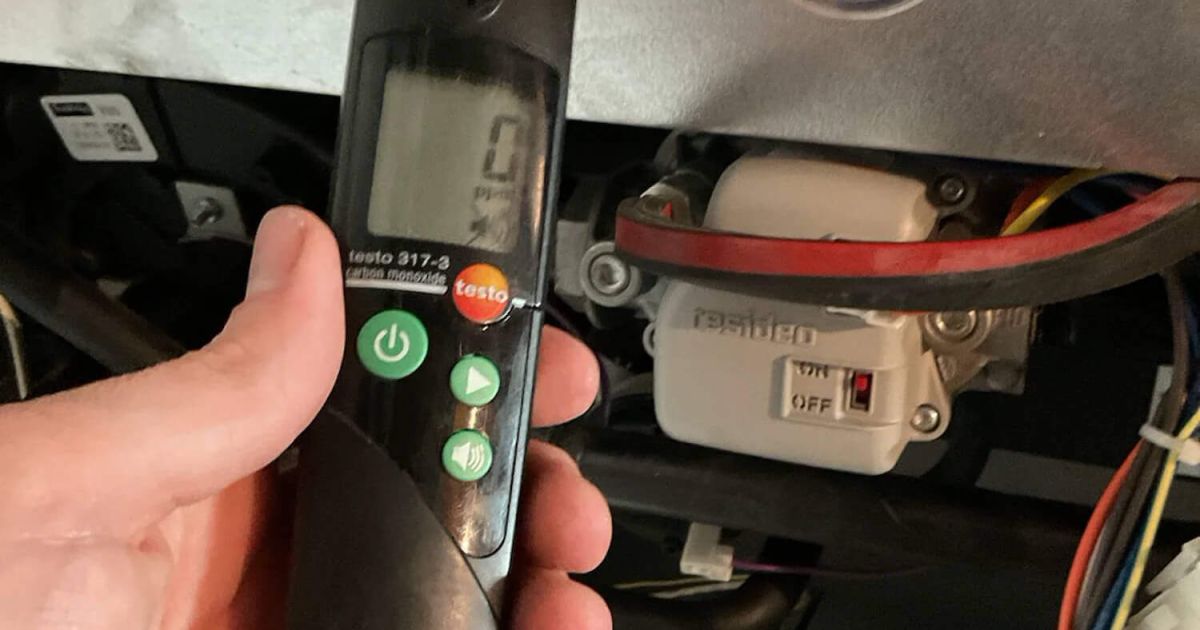
How long does a furnace last? Furnaces can last longer when they are well cared for and set up properly. In Fort Collins, Loveland, and Northern Colorado, our area’s altitude means there is less oxygen available per volume of air. Because of the effect this has on gas combustion, it is especially important for units to be set up properly. If you are uncertain whether your furnace was installed properly, you can reach out to Balance Point Heating, Cooling & Plumbing for professional diagnostic and repair services.
The Realistic Answer
So, how long does a furnace last? Realistically, a furnace can last around 15 to 20 years if it is maintained properly. However, a lot of factors go into a furnace’s lifespan. While an oil furnace tends to last around 15 to 25 years, natural gas and propane furnaces average 15 to 20 years. An electric furnace can last between 20 and 30 years.
Altitude and a demanding climate can impact the lifespan, but only if the furnace isn’t set up and maintained correctly. If the furnace is adjusted properly and consistently maintained over time, it can achieve the same lifespan as a furnace in an area with a lower altitude. By understanding how altitude fits in, what actually drives furnace life expectancy, and warning signs to watch out for, you can find out how to extend the lifespan of your furnace.
What Actually Determines How Long a Furnace Lasts
The average furnace life expectancy is just a rough guide. In reality, lifespan is less about a fixed number and more about a few key factors.
- Maintenance History: One important factor in a furnace’s lifespan is whether it receives regular maintenance to keep combustion clean and catch wear early.
- Run Time and Climate Demand: A furnace that has to work harder due to a long, cold winter will end up aging faster.
- Correct Sizing and Installation: When a furnace is poorly sized or installed incorrectly, it may experience premature wear and short cycling.
- Proper Altitude Setup: Furnaces can last just as long in Fort Collins and Loveland’s high altitude, but they must be adjusted properly to burn cleanly and run efficiently. A badly adjusted furnace ends up working much harder than it should.
- Filter and Airflow Care: Restricted airflow can strain components, which is why maintenance and filter changes are so important.
- Build Quality and Fuel Type: Some furnace fuels and builds last longer than others.
How Altitude Actually Fits In
So, how long do gas furnaces last? Due to Fort Collins’ higher elevation, there is less oxygen available for combustion. This means that gas furnaces must be set up differently than they are at sea level. As long as the furnace is set up properly and maintained, the altitude should not play a significant role in the furnace’s lifespan.
The real risk is that the furnace may not have been adjusted correctly for the altitude. Similarly, combustion and airflow problems can cause increased wear. Fortunately, the risk of these issues can be reduced through proper setup and maintenance.
Signs Your Furnace Is Near the End
If you notice the following signs your furnace is dying, you may need to invest in a new unit.
- Age: While age alone doesn’t mean you need a replacement, the odds are increased if you notice the other signs and your unit is getting older.
- Rising Repair Frequency and Cost: Multiple repairs in a short time span are an indication your furnace may need a replacement. If the repair costs almost as much as a replacement, getting a new furnace may be a better choice.
- Climbing Energy Costs: A furnace can require more energy to heat your home when its energy efficiency starts to decline.
- Uneven Heating or Comfort Issues: If your rooms won’t stay warm, it may be time for a new unit.
- Short Cycling or Frequent Lockouts: A furnace that is struggling may not run a full cycle.
- Visible Wear: Visible corrosion or rust on the unit can indicate deterioration, while a technician may identify cracks or damage to the heat exchanger during an inspection.
- Safety Flags: A cracked heat exchanger and carbon monoxide (CO) concerns are immediate signs you need repairs or a furnace replacement in Fort Collins. Because of the safety risks involved, these signs mean you should immediately call for help.
One sign alone rarely settles the decision. If you notice multiple problems at once, it’s likely time for a furnace replacement.
Repair or Replace: A Practical Framework
There are a few things you should consider as you decide between furnace repairs or a full replacement.
First, you need to consider the repair cost against the furnace’s age and the price of a replacement. A costly repair on an older unit is likely not worth it. In comparison, a minor repair on a relatively new system is generally a good idea.
A system that is generally reliable and efficient is likely worth repairing. If investing in an energy-efficient furnace or new heat pump would lower your energy costs, it may be worth investigating a new one. Similarly, safety issues, like a cracked heat exchanger or CO concerns, can strongly favor replacement.
If you’re going to replace the unit, it’s always better to do it on your schedule. Don’t wait for an emergency replacement. From flexible financing to same-day services, Balance Point can help with all of your heating and cooling installations. We’ll evaluate your situation and help you determine whether a repair or replacement makes more sense.
FAQs
How long does a gas furnace last?
A typical furnace often lasts around 15 to 20 years if it has been maintained properly. The exact furnace lifespan will vary based on the unit’s maintenance history, run time, sizing, and setup. Through consistent maintenance and tune-ups, you can catch minor issues before they worsen, prevent breakdowns, and extend the lifespan of your HVAC equipment.
Does altitude shorten furnace life in Fort Collins?
Altitude isn’t a dramatic factor on its own. If the unit has been set up correctly for our elevation and maintained properly over the years, it can last a normal length of time. Improper altitude setup or inadequate maintenance can contribute to premature furnace wear. Both of these factors can generally be avoided by making sure your furnace is properly adjusted and maintained.
When should I replace my furnace instead of repairing it?
Deciding when to replace a furnace will depend on the age of the unit, the cost of repairs, and the price of the replacement. If you need to perform a major repair on an aging furnace, a replacement is more likely to be the right answer. Similarly, comfort issues and unusually high energy bills are also signs that a replacement may be needed in the near future.
What are the signs my furnace is dying?
Before a furnace dies, it will typically show signs of declining performance. You may notice rising repair costs, short cycling, visible rust, safety problems, uneven heat, and higher energy bills. If you notice multiple signs, it’s a strong indication that there may be a problem.
Is it worth planning a furnace replacement before it fails?
Yes, it is far more convenient to replace a furnace on your own schedule than it is to call for an emergency replacement during a cold snap. Planned replacements also give you time to choose the right system without pressure.
Schedule Your Next Furnace Evaluation
Unsure how long your furnace will last? If you are considering a furnace repair or replacement, Balance Point offers honest assessments and upfront pricing in Fort Collins and Loveland.
We will tell you when a repair still makes sense and walk you through your options, so you can make a decision without pressure.
Reach out to book your next furnace inspection today.
Service Request
"*" indicates required fields