

Spring Furnace Shutdown Checklist: Protect Your System Before Summer in Fort Collins
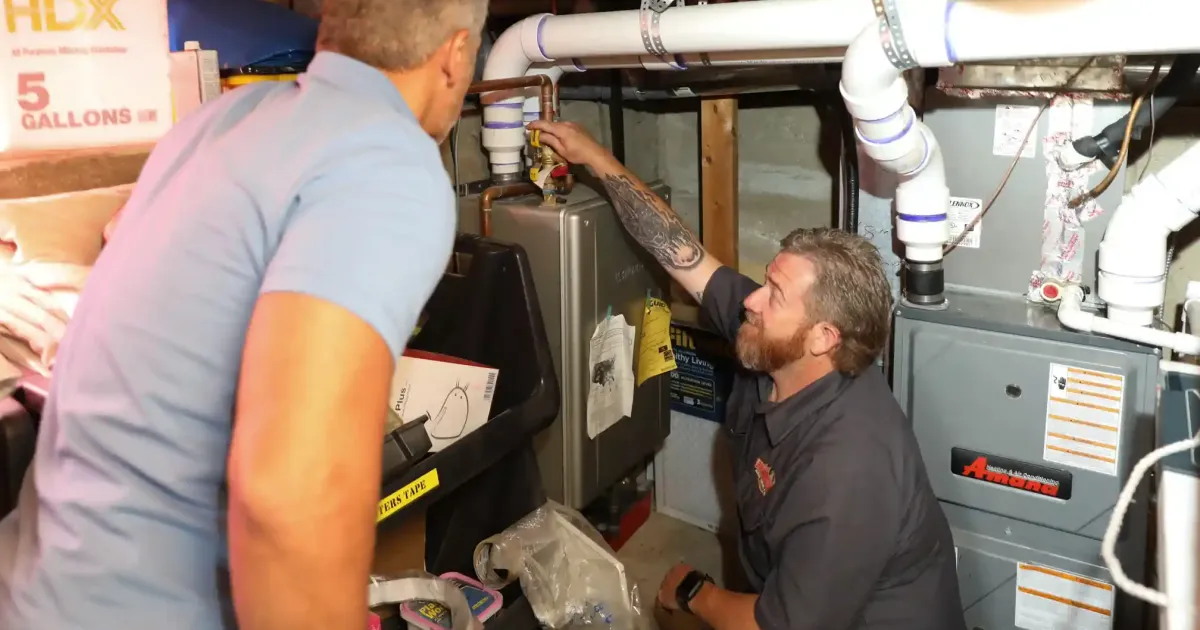
For the last six to seven months, your furnace has had to run nonstop. It’s the only appliance that works that hard in your entire home. Now that spring is around the corner, it’s time to begin your end-of-season furnace maintenance in Fort Collins.
Many homeowners wait until fall to start handling their furnace maintenance, but this is a mistake. You need to care for your furnace before heating, ventilation, and air conditioning (HVAC) companies are booked out. Plus, an early maintenance appointment gives you more time to handle any necessary replacements or repairs.
To make sure your furnace is ready to shut down for the season, we have compiled the timing and checklist for some of the most important maintenance tasks.
When Heating Season Actually Ends in Northern Colorado
We don’t have a hard deadline for when to stop running furnaces in Colorado. In many Fort Collins homes, heat is still needed into May. For mountain properties in Bellvue, Estes Park, and Red Feather Lakes, heat may be needed through June.
It’s important to avoid shutting off your furnace at the breaker prematurely. Instead, set your thermostat so that it manages your heating and cooling needs automatically. From about March to May, it is normal to need heating and cooling systems during the same week.
When you make the final transition depends on what area you live in and your home type. For example, homes in Horsetooth Hills, Old Town, and the College Avenue South corridor retain heat differently than the newer construction in Wellington and Timnath.
While the timing can vary, end-of-season maintenance can generally be performed when overnight lows are consistently above 45°F to 50°F. Normally, this occurs between late April and May.
End-of-Season Furnace Maintenance Checklist: 8 Steps
To ensure your furnace is ready for next year, it is important to tackle your furnace maintenance checklist before shutting down your furnace for the season.
- Step 1: Replace the air filter. One of the most important parts of your furnace care before summer is changing the filter. Your filter has been pulling double-duty since fall, so it is time for a fresh replacement.
- Step 2: Inspect the area around your furnace. To troubleshoot for potential problems, check around your furnace for signs of condensation, soot marks, and staining. You should also look at your visible ductwork to see if there are any holes or gaps.
- Step 3: Clean accessible surfaces. As part of your end-of-season furnace maintenance in Fort Collins, you should wipe down all of the areas you can reach. Dust can accumulate over the course of the heating season. If this dust is allowed to remain, it can impact air quality and your family’s respiratory health.
- Step 4: Vacuum the supply and return vents. Over the course of the heating season, return vents can collect dust and debris. To improve your airflow, you should vacuum the vents before you shut your furnace down for the year.
- Step 5: Check your carbon monoxide (CO) detectors.CO detectors are designed to detect carbon monoxide before it impacts your family’s health. The end of the heating season is a good opportunity to check your CO detectors’ batteries and verify that they are not expired.
- Step 6: Document any issues from the past winter. At the end of the heating season, maintenance and repairs can be carried out for problems that arose during the heating season. Think back to any strange furnace noises, inexplicably high energy bills, frequent cycling, or uneven heat that you experienced. Then, share these concerns with one of our HVAC technicians. We can help you figure out if your furnace’s symptoms necessitate a repair.
- Step 7: Adjust your thermostat settings for spring. With spring just around the corner, it’s time to adjust your thermostat settings. You will likely want to set a moderate schedule for the transition period so that your furnace does not have to cycle unnecessarily. Later, you can readjust the thermostat for summertime.
- Step 8: Schedule a professional spring tune-up. Getting a professional furnace inspection in spring in Fort Collins can help you catch problems today so that you don’t discover them on the first cold night of October. Instead of dealing with major repairs later on, you can address a minor issue right away.
Warning Signs Your Furnace Sent You This Winter
As you begin your HVAC spring transition in Northern Colorado, it’s a good time to take care of any furnace repair problems. If you noticed the following symptoms during last winter, your furnace likely needs a professional inspection.
- Unusual Noises: Any banging, high-pitched whining, or grinding noises are an indication that something is wrong with your furnace.
- Uneven Heating: If different rooms in your house experience uneven heat, you may be dealing with ductwork malfunctions, an aging system, or a faulty blower motor. The best way to find out the underlying cause is through a professional HVAC inspection.
- Frequent Cycling: Frequent cycling is when your furnace turns off and on more often than normal. This often stems from thermostat problems, an oversized system, a dirty filter, or other malfunctions. Frequent cycling leads to added wear, so it is important to address this issue early.
- Inexplicably Higher Energy Bills: If your energy bills jump without any clear reason, a furnace-related issue may be leading to lower efficiency levels.
- Yellow or Flickering Pilot Flame: A yellow or flickering flame is an immediate cause for concern. This sign means that there is incomplete combustion, which can be potentially dangerous for your family and your HVAC system.
The Repair-vs-Replace Spring Assessment
As you complete your spring furnace maintenance checklist in Colorado, you may discover a problem that needs to be repaired. The off-season is the best time to make this kind of decision because you have extra time to research your options, get quotes, and figure out your financing.
A few factors can help you decide whether to replace or repair your furnace.
- Age: Most furnaces last around 15 to 20 years if they are properly cared for. Once your furnace is in that range, it is likely a better idea to replace it instead of performing the first of many future repairs.
- The 50% Rule: Look at the repair cost. If it is 50% of a new system’s price, a replacement is likely the better choice.
- Energy Efficiency: The Annual Fuel Utilization Efficiency (AFUE) reflects the percentage of fuel that your furnace turns into heat. A higher AFUE means your furnace wastes less energy. Older furnaces often have 80% AFUE rates, so you may want to replace them with a 95%+ furnace or an energy-efficient heat pump to maximize your home’s efficiency.
- Financing Options: If financing is available, it gives you more options. At Balance Point, we offer 100% no-interest financing for homeowners who want to have a heating system replaced in the spring.
- Home Type and Location: Many homes in the Prospect/Shields area, City Park, and south of Harmony Road were built between 1978 and 1995. Because of this, it is likely time for these homes to get a furnace replacement.
Our team makes comparing repairs and replacements easy with our Good, Better, Best proposals. We provide tiered options, so you can easily compare costs, efficiency levels, and features.
Mountain and Rural Property Considerations
As a local homeowner, where you live also makes a difference in your shutdown and maintenance processes. If you live in seasonal or vacation properties in Livermore, Red Feather Lakes, and Estes Park, you should not completely shut down your systems unless you take precautions against frozen pipes. Because of the high altitude, furnaces have to be calibrated properly for an environment that has less oxygen density.
Absentee owners should consider getting a plumbing and HVAC inspection at the same time. A burst pipe can wreak significant damage if you are absent for extended periods of time, so it pays to be proactive.
If your home uses a propane furnace, you must perform additional end-of-season furnace maintenance in Fort Collins. Our team can perform a propane delivery assessment and check your tank connections.
Over the years, Balance Point has helped all of these mountain communities get the HVAC services they need. Our team understands the unique requirements of high-altitude HVAC systems, so you can enjoy better peace of mind.
How Spring Furnace Care Connects to Fall Readiness
Your spring maintenance checklist is a baseline for future tune-ups. It is also a chance to get parts ordered and installed without winter lead-time delays. Often, systems that are professionally inspected in the spring merely need a new filter and a thermostat check before they start running in the fall.
If you’ve been considering a heat pump conversion, spring is the time to get started. An early beginning gives us plenty of time to evaluate, plan, and execute the installation before fall.
Plus, all homeowners get a spring and fall tune-up if they are a part of our membership plan. Our plan covers the full seasonal cycle, so you can easily improve your home’s comfort and energy efficiency throughout the year.
Frequently Asked Questions
When should I stop running my furnace in Colorado?
When it comes to shutting down your furnace for the year, there is no hard-and-fast rule to follow. Depending on your neighborhood, home style, and personal comfort preferences, you may need heat into May. Instead of just shutting off your furnace manually, let your thermostat manage the temperature until you are completely past the heating season.
Can I run my furnace and AC on the same day?
Yes, and this is a common setup for modern thermostats. Your thermostat should be able to switch between heating and cooling modes automatically. If it cannot do this, it is time to consider a thermostat upgrade.
Is it worth getting a furnace tune-up in spring?
Absolutely. Springtime maintenance ensures you catch and repair problems before next winter arrives. Technicians also have better availability in the spring. Plus, you can schedule an inspection when you are not dependent on needing your furnace right away.
How do I know if I should replace my furnace?
Once your furnace reaches 15 years old, it is more likely to have issues and require a replacement. Similarly, you may want to get a new furnace if your energy bills have spiked or you have had to perform frequent repairs. By getting a spring assessment, you can plan a replacement on your own terms.
Prepare Your HVAC System for Warmer Weather
Ready to schedule end-of-season furnace maintenance in Fort Collins? Be proactive about scheduling your tune-up while our spring calendar is still open. Through our membership plan, you can enjoy priority scheduling, complimentary tune-ups, and special discounts.
Schedule your next tune-up or diagnostic appointment by reaching out to Balance Point Heating, Cooling & Plumbing.
Service Request
"*" indicates required fields