5 / 5 based on 800+ 5 Star Reviews
We're hiring! Apply online today.
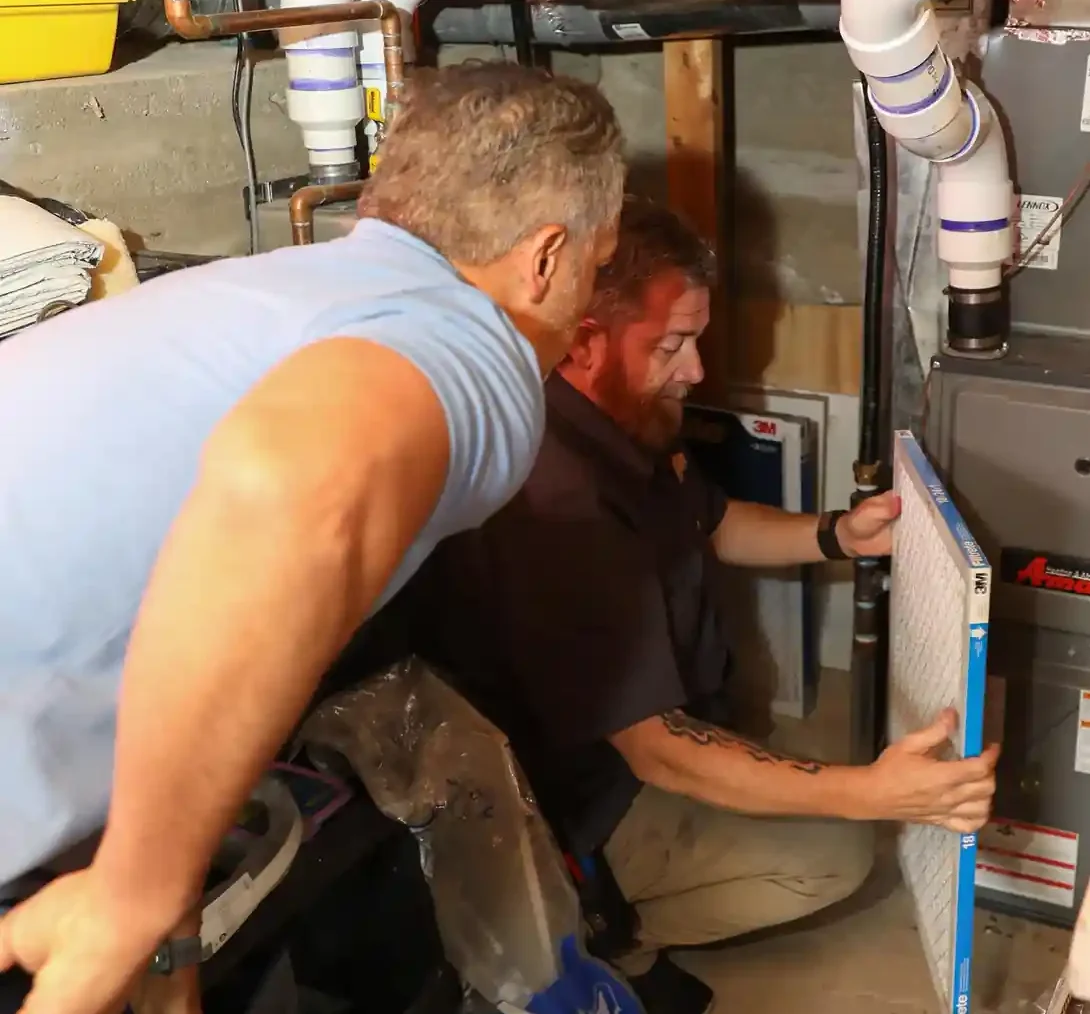
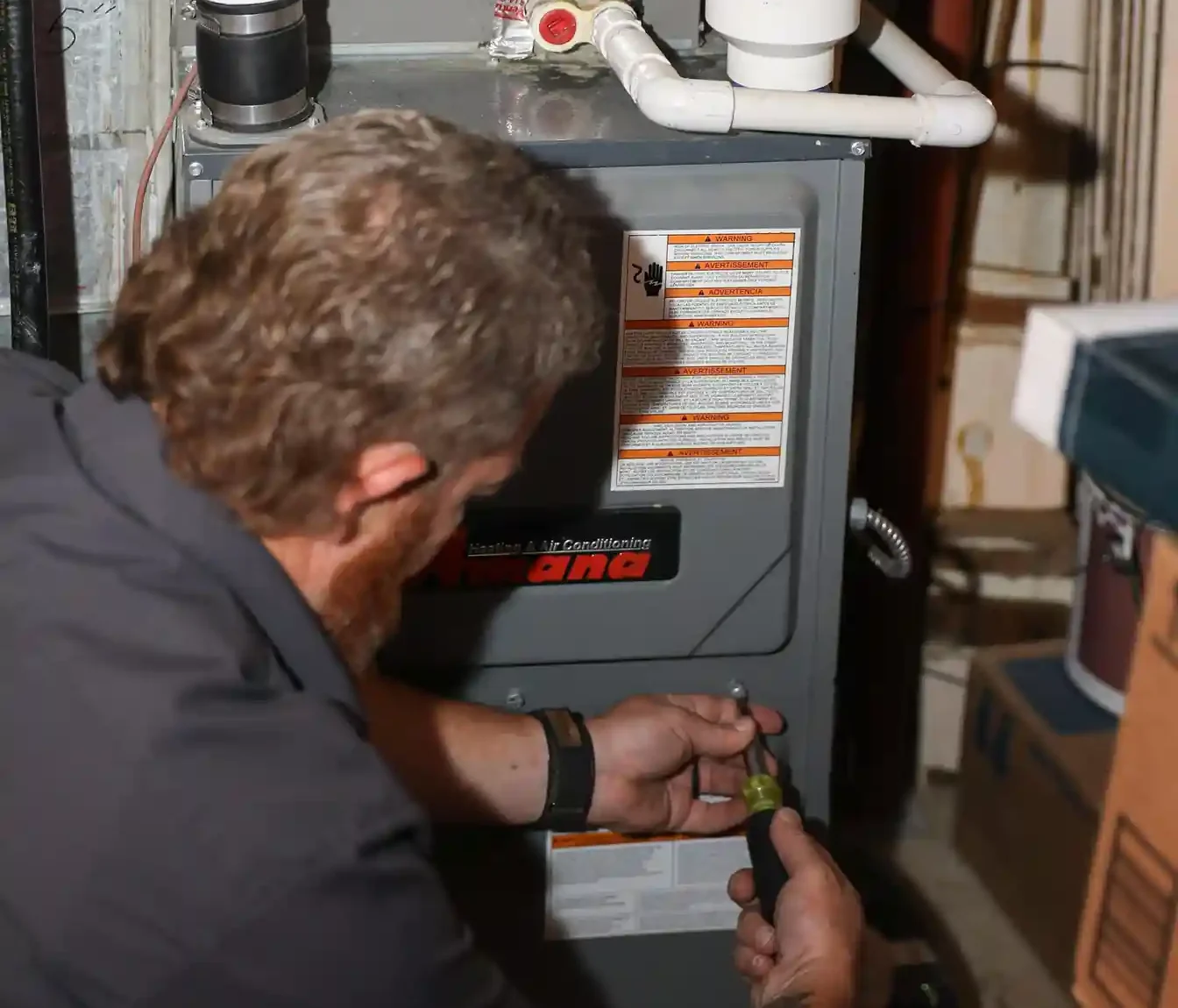
Technician performs routine maintenance on an Amana furnace, inspecting components using a screwdriver in a utility room.

Noisy Furnace? What Those Bumps, Rattles & Squeals Really Mean

When winter cold snaps occur along the Front Range, a reliable furnace isn’t a luxury. You can’t leave your family shivering on subzero nights. 

After a long snow and ice season, furnaces can start to show signs of wear. Often, the first sign of a problem will be a furnace making a noise that it shouldn’t be making. 

To help you navigate winter weather with ease, we’ve compiled a list of the most common bumps, rattles, and squeals. We’ll cover when you can remedy the issue and when you need professional care. When in doubt, don’t hesitate to call Balance Point Heating, Cooling & Plumbing for emergency help.

A Quick Safety Note: If you smell gas or the odor of rotten eggs, see smoke, or hear a loud popping noise, shut off your furnace immediately at the thermostat. Then, turn it off at the breaker panel as well. Then, immediately call for emergency services. In the case of gas odors, you should also evacuate the premises and call your gas company or emergency services to shut off your gas lines until the leak is found.

What That Noise Likely Means 

Before a furnace completely breaks down, it will normally show signs of a potential problem. Any furnace vibration, humming, or similar noise means you need to get professional help right away to keep your Fort Collins home warm and comfortable.

Banging/Booming on Startup

Possible Causes: A furnace banging noise can occur if gas is building up before it ignites. This basically causes a miniature explosion. This problem may also be due to dirty furnace burners or your ductwork expanding as it heats up.

Action: Although some furnace duct noises are bound to happen, you should never hear a loud bang. If the underlying cause is the burners or a delayed ignition, you need professional furnace repairs to keep the heat exchanger from being harmed.

Rattling/Vibrating

Possible Causes: A furnace rattling sound can happen if the blower wheel isn’t balanced or the access panel has become loose. It can also occur due to debris in your ductwork or a faulty motor mount. 

Action: To troubleshoot some of these causes, start by making sure every access panel has been fastened securely. If this doesn’t solve the problem, you’ll need to reach out for professional HVAC repair in Fort Collins. Left untreated, the ongoing vibrations can cause significant harm to your HVAC system, so schedule a repair appointment right away. 

Squealing/Screeching

Possible Causes: If you have a furnace squealing noise, there’s likely a metal-on-metal problem. For example, you may have faulty motor bearings or a worn blower belt. 

Action: If your furnace is making noise, don’t ignore it. Squealing and screeching sounds are serious issues, and your furnace can seize if you keep using it. Shut off your furnace and immediately call for an emergency furnace repair

Humming/Grinding

Possible Causes: The sound of a furnace humming indicates that the motor is struggling to start. Alternatively, you may have a failed capacitor. If you hear a grinding noise, the motor bearings may need to be replaced. 

Action: Listen to the sound to see if it seems like your furnace’s normal, operational hum or a louder hum. Call for help if there is a loud, aggressive hum. Meanwhile, grinding noises mean your furnace is about to fail, so you need a professional furnace replacement or repair.  

Whistling

Possible Causes: You might notice a furnace noise when running that sounds like whistling. This sound typically stems from an airflow problem, such as blocked vents, clogged air filters, or leaky ductwork.

Action: Larimer County homeowners can often fix this issue on their own by replacing air filters and opening vents. If this doesn’t solve the problem, you may need to schedule a duct sealing appointment. 

Clicking/Popping

Possible Causes: A couple of clicking noises are normal when your furnace starts up and the metal expands or contracts. Continuous clicking means the system isn’t lighting properly, so your sensor or ignitor may be faulty.

Action: Listen to the noise to see if it is ongoing or not. For repeated clicking, schedule a furnace tune-up and inspection. 

Why Fort Collins Homes Are Prone to Furnace Noise

In Northern Colorado, the high-elevation dryness and dusty climate mean filters often clog faster. This starves your HVAC system of air and can increase the likelihood of unusual noises happening. At the same time, the frequent freeze-thaw cycles create added stress on the furnace’s components and ductwork.

Each home type requires different care and is prone to different noises. In our area, we have older homes near Old Town that have aging duct systems, making popping noises more common. Meanwhile, the new builds in the Timnath/Windsor corridor are so new that they may still have construction debris inside the vents. This debris can cause rattling noises.

No matter what type of home or neighborhood you live in, we understand the kind of furnace maintenance Fort Collins residents need. We know when a furnace blower noise indicates a faulty blower motor or a poorly balanced wheel. For help with furnace repairs and maintenance, reach out to our licensed HVAC technicians today.

DIY Checks You Can Safely Try

Before you panic, you can first try the following DIY troubleshooting tips.

  • Change or replace your air filter.
  • Make sure your vents and registers are open and aren’t blocked by furniture.
  • Securely fasten access panels so that they don’t make any noise.
  • Clear away leaves, debris, and snow around your intake and exhaust pipes.
  • Never open the furnace cabinet to fix internal components on your own.
  • Never keep running a furnace that makes a loud grinding or screeching noise.

When to Call a Professional

A loud furnace at startup, grinding noises, and squealing sounds are all signs that you need to immediately schedule furnace repairs. Meanwhile, rattling panels can typically wait for the next available appointment. By reaching out to Balance Point Heating, Cooling & Plumbing for a furnace inspection and repairs, you can prevent a small noise from causing a catastrophic mid-winter breakdown.

To prevent future noises, remember to schedule an annual fall tune-up. During the tune-up, we can clean burners, tighten components, lubricate motors, inspect the blower assembly, and prevent furnace noises from happening. Through our convenient membership plan, you can take advantage of complimentary tune-ups as well as exclusive promotions.

Get Reliable Help With Unusual Furnace Sounds

When your furnace is making noise, it’s trying to tell you something. Furnaces rarely break down without prior warning. By responding to unusual furnace sounds, you can avoid a total furnace failure during Northern Colorado’s cold winter nights.

Looking for a heating repair near you? We can help. Balance Point Heating, Cooling & Plumbing’s team of HVAC experts is available for timely maintenance and emergency repairs. Call today for fast, reliable services in Fort Collins and surrounding areas.

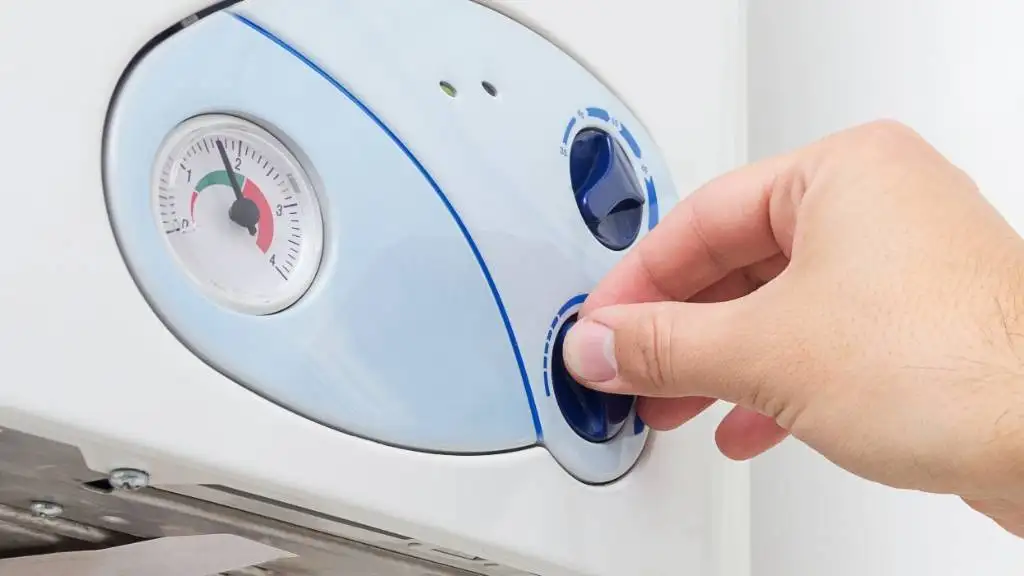
Person adjusting control knob on a wall-mounted water heater.

Why Is My Hot Water Heater Leaking? Causes & What To Do Next

It’s the middle of the night, and you’re awake looking for a midnight snack. Right as you open the fridge, you notice that there’s a puddle of water leaking out from the water heater closet. Rather than counting sheep, you now have an inconvenient mess to clean up and a complex problem to diagnose. 

When you have a hot water heater leaking, it’s more than just an inconvenience. Water damage can be costly to repair. At the very least, the wasted water means you’re paying more in energy and water bills than you need to. Additionally, the leak can lead to serious burns, electric shock, and even explosions. 

As a homeowner, it’s essential to figure out the water heater leak causes so that you can determine the best course of action. When in doubt, our experienced plumbers are always available for 24/7 repairs and water heater maintenance.

Common Causes of a Leaking Water Heater

As a homeowner, there are a few common water heater leak causes you should watch out for. If you are struggling to diagnose the issue with your water heater, reach out to Balance Point Heating, Cooling & Plumbing for 24/7 emergency repairs and support. 

Loose or Faulty Connections (Top Leaks)

To diagnose the cause of your water leak, you first have to figure out where it is coming from. If the leak appears to be happening on the top of your water heater, it is likely from the inlet and outlet pipe fittings. The most frequent source of the issue is normally the cold water inlet and outlet nipples. 

Over time, these fittings can become loose or corroded. In most cases, you can stop the leak by just tightening these loose connections. 

Faulty Drain Valve (Bottom Leaks)

When leaks occur toward the bottom of your water heater, the cause is likely related to the drain valve. If the drain valve is loose or damaged, it may drip or leak. 

This issue can generally be repaired by tightening the drain valve. If that doesn’t do the trick, the valve may need to be replaced.

T&P (Temperature & Pressure Relief) Valve Issues (Side or Top)

Another common reason for a hot water heater leaking is the T&P valve. If this is the cause, you’ll notice the leak near the side or top. 

Over time, the safety valve can become worn because of the excessive pressure and normal usage. If this is the cause, it needs to be tested and replaced.

Corroded or Damaged Tank

Time and sediment buildup are two factors that can lead to tank corrosion. If your leak is due to tank corrosion or damage, you’ll generally need to replace the entire unit.

High Water Pressure

Water may seem gentle, but high-pressure water is an incredibly destructive force. Excess water pressure increases stress on the water heater’s tank and valves. Eventually, this can cause leaks to develop.

We recommend setting your water pressure to around 45 to 60 psi. If you try to set it higher than this, it can cause damage and may require a pressure-reducing valve. 

Sediment Buildup & Anode Rod Wear

When sediment builds up in your water heater, it acts like an insulating layer. This can lead to your tank overheating and the development of rust. If the anode rod has also become worn, the corrosion may occur at a faster rate. 

Condensation (Not Always a Leak)

It’s important to note that the presence of moisture isn’t always a sign of a hot water heater leaking. In some cases, water heaters have moisture because of condensation. This is more likely if your indoor air temperature is especially humid and warm. You can try adjusting the water heater’s thermostat to see if this is the cause. If your home is frequently humid, you may want to try installing a dehumidifier. 

Identifying the Leak Source

To determine the underlying cause of your leak and how to repair it, you first have to identify the location where the leak is occurring. Depending on the location, there are different possible causes behind the water heater leak.

  • Top: When the leak occurs from the top of the unit, it is likely due to the valves or pipe connections.
  • Side: A leak on the side of the water heater is more likely to be due to the T&P valve.
  • Bottom: If the leak is happening on the bottom of the water heater, it is more likely to be from tank corrosion or the drain valve.

Besides looking at the location of the leak, there are also other symptoms you should look out for. Sudden increases in your water bill could indicate a leak. You should also call for professional repairs if you notice puddles, rust-colored water, or unusual noises.

Immediate Steps To Take

If you notice signs of a water leak, there are a few immediate steps you need to take to protect your home.

  • Turn off the power. For electric water heaters, this is done at the breaker. With a gas water heater, you need to turn off the gas at the gas valve.
  • Shut off the cold water supply. 
  • Use a hose to drain the tank. If needed, you can place a bucket to catch water.
  • Because the water can scald you, it’s important to wear gloves and take safety precautions.
  • Before doing anything else, you need to verify if the leak is urgent or potentially dangerous. If it is, you need to call one of our professional plumbers right away. 

DIY Fixes You Can Try

To repair your water heater, you can try using the following DIY fixes.

Tightening Loose Connections 

First, try using a simple wrench to tighten loose connections. Be careful not to overtighten or damage the water heater.

Replacing the Drain or T&P Valve

To replace the drain or T&P valve, first shut off the power, gas, and cold water supply line. Then, drain the tank completely. The old valve can be removed with a wrench. Afterward, the new valve can be attached after the sealant is added to the threads. Once everything is put back together and turned on again, it’s important to test the tank to make sure it’s working properly.

Flushing the Tank 

To care for your tank, you should flush it at least once a year. This prevents sediment buildup, corrosion, and internal stress.

Installing a Pressure-Reducing Valve 

Sometimes, leaks occur when the pressure is too high in the tank. In these instances, it’s a good idea to install a pressure-reducing valve.

Replacing the Anode Rod 

Anode rods are essential for protecting against corrosion. If your tank is older, it may be time to get the anode rod replaced.

When To Call a Professional

If you are experiencing any of the following situations, you shouldn’t try to repair your water heater on your own. Instead, reach out to one of Balance Point’s plumbers as soon as you notice any of the following problems.

  • Gas connections are involved.
  • You’re unsure how to do the repairs.
  • The leak is from the tank itself due to corrosion or is especially large.
  • You’re unable to locate the source or stop the leak.
  • The water heater is older than 10 years and is reaching the end of its lifespan.
  • You need to get a professional to decide if it should be repaired or replaced.

Preventative Maintenance Tips

Once you’ve repaired the water heater leak, the next step is preventing future repair issues. The following water heater maintenance tips should be performed throughout the year. 

  • Annual Flush: To remove sediment and prevent unnecessary wear, you should make sure the water heater is flushed at least once per year. Older units or units in areas with hard water should be flushed more frequently.
  • Inspect Valves: Throughout the year, check the T&P and drain valve to make sure they are tightened and not leaking. 
  • Monitor Water Pressure: You can protect your water heater by making sure the pressure is set to 45 to 60 psi. If the water pressure is set too high, it can end up damaging the water heater.
  • Replace Anode Rod: The anode rod is sacrificial, so it is designed to be sacrificed to save the tank from corrosion. As a result, the anode rod should be replaced every three to five years.
  • Schedule Annual Professional Check-Ups: To keep your plumbing system functioning at its best, it’s essential to schedule routine inspections. One of our plumbers can quickly inspect the water heater and diagnose any potential problems.

In general, a tank water heater should last around 6 to 12 years. Tankless water heaters can last over 20 years. By performing preventative maintenance and scheduling regular check-ups, you can get the most out of your water heater’s lifespan.

FAQs About Hot Water Heater Leaks

At Balance Point, we’ve fielded a number of common questions related to a hot water heater leaking. The following are just a few of the ones that we hear the most.

Can I still use a leaking water heater?

No. You never want to continue using a water heater that is leaking. Leaks can quickly escalate. If you continue to use your water heater, you risk major safety issues as well as damage to your home. 

Continuing to use a leaking water heater can result in the following issues.

  • Costly water damage to your home
  • Burns from touching the hot water
  • Gas leaks and explosions
  • Electrocution or electric shocks
  • Additional damage to your water heater and more expensive repairs

How often should I flush my water heater?

We recommend flushing your water heater once per year. If you have an older unit or live somewhere that has hard water, the tank needs to be flushed more frequently. 

When water heater tanks aren’t flushed regularly, sediment can build up in the tank. Normally, the anode rod functions to attract this sediment so that other components aren’t harmed. Eventually, the anode rod can become so corroded that it is unable to function properly anymore, necessitating its replacement. 

If you don’t flush the tank, it can not only damage your water heater but also cause higher energy bills. Sediment builds up above the heating elements and functions like an insulator, forcing it to work harder to warm the water.

What pressure is safe for my water heater?

To ensure the safety of your water heater, you should set it to between 45 and 60 psi. While higher water pressure might be enjoyable for showers, it increases the likelihood of leaks and damage. 

You can adjust the water heater’s pressure by turning off the power and cold water supply. Then, change the pressure regulator valve so that it is at the appropriate setting. Once the pressure regulator is at the right level, you can turn the power and water supply back on.

How long do water heaters last?

Your water heater should last around 8 to 12 years if it is cared for properly. We recommend getting your water heater replaced once it starts to leak or is past 12 years old. As it gets closer to the end of its lifespan, you should also get more frequent water heater maintenance to help it maintain its optimal condition.

Is that moisture always a leak?

While seeing moisture near your water heater tank can be a cause for panic, it doesn’t always mean that you have an actual leak. Sometimes, condensation occurs around the tank. Anytime humid air meets a cold surface, it can cause condensation. Often, this condensation happens after the tank has been refilled with cold water. 

To see if condensation is the issue, try checking the water heater after it has had a chance to heat the water up again. If the moisture is always present, you may have a leak and not condensation.

Schedule Your Water Heater Repair Services

Struggling to deal with your hot water heater leaking? Contact Balance Point Heating, Cooling & Plumbing today for fast, expert service. From diagnosing water heater leak causes to tank replacement services, we can solve all of your water heater issues. 

Keep your hot water flowing safely and efficiently by scheduling your inspection now!

HVAC technician installing a furnace system in the basement of a residential house in Fort Collins.

Pre‑Winter Furnace Tune‑Up Checklist for Fort Collins Homes

In Colorado, winters tend to arrive early and be fairly harsh. As a homeowner, you can’t afford to have a non-operational furnace when the first snowstorm arrives.

By completing a pre-winter tune-up checklist in Fort Collins, you can prevent your furnace from breaking down on one of the coldest days of the year. Besides avoiding potential repairs, your maintenance efforts can result in lower energy bills and safer air quality for your family. 

This list of furnace maintenance in Fort Collins covers all of the important DIY steps you can take as a homeowner. For professional furnace maintenance & tune‑ups, reach out to Balance Point Heating, Cooling & Plumbing for expert assistance. 

Why a Pre-Winter Tune-Up Matters in Fort Collins

By completing your pre-winter furnace tune-up checklist in Fort Collins, you can ensure your system is functioning properly. Colorado often experiences harsh cold snaps that can strain heating, ventilation, and air conditioning (HVAC) systems. Through your pre-winter furnace maintenance in Fort Collins, you can avoid unnecessary wear, extend your furnace’s lifespan, and boost your efficiency. Additionally, furnace maintenance is often a requirement to maintain your warranty.

More importantly, furnace tune-ups are a necessity for keeping your furnace in optimal working order. A well-maintained furnace is less likely to experience carbon monoxide leaks and other safety-related problems. 

Step-by-Step DIY Furnace Tune-Up Tasks 

To make furnace maintenance in Fort Collins as easy as possible, we’ve compiled a list of DIY furnace tasks homeowners can do. For more extensive HVAC maintenance or furnace repairs, give our experienced technicians a call.

Safety First: Power Off & Safety Checks

Before you tackle any type of furnace maintenance, you should turn off electricity and gas. Then, check your carbon monoxide and smoke detectors using the test buttons on the devices. Ideally, you should replace the batteries every six months to ensure they are functioning properly.

Replace or Clean the Air Filter

Replacing a dirty filter with a clean one can boost energy efficiency by as much as 15%. Dirty filters force the furnace to work harder to reach the same temperature. Besides causing unnecessary wear, this also increases your energy costs. 

A clean filter improves your energy efficiency and boosts your indoor air quality. You should replace your filter at least every three months. During heavy use, it should be changed more frequently.

Inspect the Thermostat

Next, you should see if your thermostat is working properly. To test it, turn on the heating mode. Raise the temperature so that it is higher than your home’s current air temperature. If the thermostat is functioning properly, you should hear the furnace turning on. 

If the thermostat isn’t working properly, you can troubleshoot by replacing the batteries. You can also reset the thermostat or schedule an HVAC appointment if the problem persists.

Clean Burners, Flame Sensor, & Combustion Chamber

To clean the burners, flame sensor, and combustion chamber, you need to start by switching off the power supply and turning the gas valve perpendicular to stop the gas supply from flowing. You should also wait several minutes to ensure any residual gas has dissipated. Then, give the components 30 minutes to reach room temperature.

Next, you need to open the panels and extract the burners. You can then remove soot and clean the burners. With a vacuum, clean the burner ports. Gently clean the flame sensors before reassembling everything. If you see any signs of corrosion or damage, call Balance Point Heating, Cooling & Plumbing for repairs right away.

Whenever you are dealing with burners, flame sensors, and the interior of the furnace, there is some level of risk involved. Because of this, we generally recommend leaving this task to the experts. 

Lubricate Blower & Motor (Where Applicable)

To ensure your furnace is operating at its best, it’s important to lubricate the oil bearings and motor shaft. By lubricating moving parts, you can reduce friction and wear. Over time, this can help prevent repairs and replacements. If you aren’t mechanically inclined, this is another task you can leave to the experts.

Inspect Vents, Flue, Heat Exchanger, & Ductwork

As part of your pre-winter furnace tune-up checklist in Fort Collins, you should also inspect your vents, flue, heat exchanger, and ductwork for signs of problems. There should be no obstructions blocking air flow. You should carefully clean the flue or venting’s outdoor openings.

If there are any leaks in your ductwork, our HVAC technicians have high-tech tools that can diagnose where the leak is occurring. Then, we can quickly repair the source of the problem. Leaky ducts can add hundreds of dollars to your energy bills each year, which is why diagnosing and repairing this issue is so essential.

Reverse Ceiling Fans & Seal Drafts (Bonus Home Comfort Tweaks)

Many homeowners who have ceiling fans forget this important step. During the winter, your ceiling fan has to change direction so that it redistributes warm air. Turn off the ceiling fan and switch it to a clockwise rotation at a low speed. 

For added comfort and energy efficiency, seal gaps around your windows and doors. As a rule, any drafts you feel are a sign of an air leak that needs to be sealed up.

Test Safety Controls, Ignition & Observe a Full Cycle

While your furnace is running, listen to the sound it makes. It should sound smooth and even. Additionally, you should also pay attention to how it cycles and its flame quality. For instance, a yellow or flickering flame indicates incomplete combustion. If you notice any unusual noises, flickering, or odd flame colors, you need to schedule a professional furnace inspection. 

Clean Cabinet & Perimeter

Finally, you need to remove dust that has built up around the furnace. This helps to maintain the unit’s airflow and energy efficiency. 

When To Schedule a Professional Tune-Up 

While this furnace checklist is fairly extensive, some of the tasks on it are more technical than others. As a general rule, you should never perform a furnace maintenance task that you are uncomfortable with. You can always reach out to our team of HVAC experts for professional help with maintaining your system. 

Our Fort Collins HVAC technicians offer multi-point inspections and high-quality results. In general, we recommend that you leave the following tasks to us. 

  • Heat exchanger inspections
  • Carbon monoxide testing
  • Performance diagnostics 
  • Gas pressure checks
  • Electrical connection examinations
  • Gas connection and valve inspections

When in doubt, always leave it to the experts. If you try to perform DIY repairs and maintenance, it can end up voiding your warranty. Additionally, DIY maintenance can result in costly mistakes and missed problems. Because of the electrical, mechanical, and gas components involved, there is also a very real safety risk involved in doing the work on your own.

At Balance Point Heating, Cooling & Plumbing, we offer a full range of furnace maintenance options in Fort Collins. We can handle all of the cleaning and maintenance tasks involved in keeping your furnace fully operational. 

To make your furnace maintenance a little easier to budget for, we offer a special membership plan that includes two complimentary tune-ups each year. Members also receive special discounts on repairs and priority services. 

Additional Pre-Winter Home Prep Tips 

Temperatures in Fort Collins can drop quickly, making a high-quality furnace even more important for local homeowners. Because of this, it’s essential to make sure your home is fully prepared for winter weather. Besides performing routine furnace maintenance throughout the year, we recommend carrying out the following tips to prepare your home. 

  • Seal Leaks: While many homeowners don’t realize it, hot air often leaks out around windows and doors. An easy way to stop this from happening is by using caulk around the edges of these areas. This prevents heat from escaping and reduces the furnace load. 
  • Insulate Your Home: You can decrease the amount you use your furnace by insulating your home properly. Good insulation prevents heat transfer, so your home stays warm for longer. A higher R-value signals a higher level of insulation.
  • Clean Gutters: By cleaning gutters, you can improve drainage and protect your HVAC infrastructure.
  • Replace Batteries: To make sure your carbon monoxide and smoke detectors are working properly, you should replace the batteries each fall. 
  • Test Detectors: Before the weather changes, don’t forget to test your home’s detectors to make sure they’re working properly. 
  • Clean Humidifiers: In the winter, indoor air can get especially dry. One way to mitigate this problem is with the installation of a humidifier. As part of your home maintenance, make sure your humidifier is clean and ready for winter.
  • Remove Debris: Periodically, you should check for any dirt and debris around your furnace. There should never be any flammable materials or debris in this area.

If you notice holes in your flue, unusual noises, or other signs of a problem, reach out to Balance Point Heating, Cooling & Plumbing for a thorough inspection. Our team can quickly diagnose the source of the problem so that your loved ones can stay warm and comfortable throughout the cold season.

FAQs About Furnace Tune-Up in Fort Collins

Over the years, we’ve encountered a few frequently asked questions from local homeowners in Fort Collins. 

How often should I get a professional tune‑up?

We strongly recommend getting your furnace tune-up in the fall before harsh winter weather arrives. In Fort Collins, fall tune-ups are standard because of how intense winter weather is.

In between tune-ups, you can support your furnace’s health and longevity by making sure to change the air filter. You can also vacuum any dust that gathers around the vents or in the furnace interior.

Can I still run the furnace without changing the filter?

Yes, you can technically run your furnace without changing the filter. However, we strongly urge against this. Over time, the filter will only become dirtier. A clogged filter forces the furnace to work harder to heat your home, increasing the amount of wear on the HVAC system. Eventually, this can cause more frequent repairs and breakdowns. 

Additionally, the added effort means that your furnace has to use more energy to heat your home, so you’ll pay more in energy costs. It can also negatively impact your air quality, which can lead to respiratory symptoms for allergy and asthma sufferers.

What if my thermostat doesn’t respond?

As part of your furnace maintenance in Fort Collins, it’s a good idea to check your thermostat to see if it is functioning properly. If the thermostat isn’t responding or your home’s temperature doesn’t respond to thermostat changes, you may be dealing with a thermostat failure or a wiring issue.

You can try troubleshooting by replacing the batteries, resetting the thermostat, or manually overriding the non-responsive thermostat. If nothing seems to make a difference, you need to call our local HVAC experts for help.

Are carbon monoxide checks necessary each year?

Absolutely! Your family’s safety relies on your carbon monoxide detectors. If a heat exchanger develops stress cracks or becomes corroded, it can end up leaking without any type of advance warning. Your carbon monoxide detector is the main thing keeping your family safe from gas leaks, so you need to be completely confident it’s in working order.

Most professionals actually recommend testing your carbon monoxide detector every month. You can test it by pressing the test button and seeing if it makes a noise. Your user manual will also tell you what specific numbers of beeps mean. To keep your detector working, you should dust the unit. 

Ideally, you should replace the batteries once per year in most circumstances. If you have a sealed-lithium battery model, you only have to replace it every 7 to 10 years. The entire CO detector should be replaced every five to seven years.

How long does a professional tune-up take?

When we show up for your scheduled tune-up, we work quickly to clean, inspect, and test your HVAC system. Besides looking for potential problems, we’ll also conduct a full safety verification. In general, a professional tune-up takes us just 60 to 90 minutes to complete.

Prepare Your Fort Collins Home for Wintertime

Ready to winter-proof your Fort Collins home’s comfort and safety? You can get started with the help of your pre-winter furnace tune-up checklist in Fort Collins. Afterward, contact Balance Point Heating, Cooling & Plumbing today to schedule your professional furnace tune-up. With same-day service, upfront pricing, and a maintenance plan offering peace of mind, we’ll keep your furnace running smoothly and safely all season. 

Book now and stay cozy!

Woman relaxing under a blanket, holding a mug while reclining on a couch.

How Winter Affects Indoor Air Quality & What You Can Do About It

As snow flurries and colder weather arrive in Fort Collins, it’s time to make a steaming mug of cocoa and enjoy a little Dutch hygge in your day-to-day life. Before you get too cozied up, take a moment to check out your heating, ventilation, and air conditioning (HVAC) system. With so much time spent indoors with your loved ones, you need to be completely confident that your HVAC system is ready for winter.

When winter arrives, furnaces kick on, doors close, and humidity levels decline. Thanks to how airtight Colorado homes are, they can easily end up trapping pollutants inside. As winter progresses, your loved ones may develop dry throats, more frequent allergies, headaches, and more colds. 

Stale air can harm your family’s health and comfort. By turning to our Fort Collins indoor air quality experts, you can learn the best methods to improve indoor air quality in winter. For more information about indoor air quality services, reach out to Balance Point Heating, Cooling & Plumbing today.

Why Indoor Air Quality Gets Worse in Winter 

Wintertime is an exciting time in Fort Collins, with plenty of opportunities for pond hockey, skiing, snowshoeing, and enjoying the light, dry snow. However, the reality is that most of wintertime ends up getting spent indoors. Closed windows, non-stop heat, and dry air can all contribute to poor winter indoor air quality. By learning the most common IAQ issues, you can take the next step in finding the best HVAC air quality solutions for your home.

Homes & Reduced Ventilation

In a bedroom that lacks proper ventilation, the carbon dioxide (CO₂) level can increase to over 2,000 ppm. To put this in perspective, high CO₂ levels can start to have a noticeable impact on your decision-making skills and performance at a level as low as 1,000 ppm. At just 750 ppm CO₂, people begin to experience declining sleep quality during research studies. On the following day, these same research participants performed worse in cognitive tests. Headaches, dizziness, chest tightness, seizures, and confusion can also happen as CO₂ levels rise significantly. 

Unfortunately, wintertime conditions make rising CO₂ levels more likely. Because windows and doors are closed, fresh air can’t get inside, and your home’s airflow is hindered. This can cause pollutants to rise quickly, negatively impacting your winter indoor air quality.

Heating Systems Dry Out the Air

Besides dealing with closed doors and poor airflow, you also have to manage the impact of your heating system. While furnaces and heat pumps are great at keeping your home warm, these types of forced-air systems can quickly strip your home’s humidity levels. The dry air can impact your sinuses and cause dry skin. 

To ensure your family’s comfort, you may want to invest in a central humidifier or whole-home humidifier. Ideally, you need to have a relative humidity of 35% to 45%. Many Fort Collins homes drop to just 15% to 25% in the wintertime, making humidifiers especially important investments.

Combustion Byproducts

Around the world, indoor air quality is responsible for 3.2 million deaths per year. In general, the more combustion byproducts that are produced in your home, the worse your indoor air quality is. Gas furnaces, space heaters, and fireplaces can all leak carbon monoxide, nitrogen dioxide, and a range of particulates. Combustion byproducts from cooking can also harm your air quality. 

Poor maintenance makes these issues worse. When HVAC systems aren’t maintained properly, they are more likely to have dirty air filters, leaks, and similar problems that lead to poor winter indoor air quality. 

By staying on top of your furnace maintenance and getting your ducts cleaned, you can improve your IAQ. Additionally, you should always turn on your kitchen’s exhaust fan whenever you’re cooking. 

More Indoor Time = Higher Exposure

In the United States, the average person spends around 90% of their time indoors. The additional time spent indoors means that they are exposed to higher levels of indoor air pollutants. For example, you may be exposed to higher levels of pet dander and cleaning chemicals. 

Health Impacts of Poor Winter Air Quality 

Fort Collins indoor air quality issues can negatively impact your health in both the short run and the long run. In general, these issues are more intense for population groups that already have compromised immune systems or existing health problems. In particular, allergy and asthma sufferers may have more frequent attacks because of poor winter indoor air quality.

Respiratory Irritation & Asthma

Poor IAQ can trigger respiratory and asthma in a variety of different ways. Higher levels of indoor allergens can combine with the dry air to cause wheezing and coughing. Often, this can end up leading to asthma flare-ups.

On its own, dry air can irritate the mucous membranes in the respiratory tract. This, combined with other problems, creates a perfect storm of triggers for anyone who has respiratory issues.

Higher Risk of Illness

As Fort Collins’ indoor air quality declines in the winter, you and your family may experience more colds and flu symptoms. Viruses are able to survive longer in the dry air, and your dry, irritated sinuses are less able to filter out pathogens. 

In the summer, there is generally a higher humidity level. Because of this, sneeze droplets are larger and less likely to remain in the air. During the winter, the air becomes drier and droplets shrink. This allows them to stay airborne longer and infect more people.

Once the droplets manage to make it to your nose, your cilia struggle to keep them out. Normally, cilia move foreign objects out of your respiratory tract. Unfortunately, cilia don’t work as well in colder temperatures and lower humidity levels.

Headaches & Fatigue

During the cold months of winter, a few different factors can increase the likelihood of headaches and fatigue. Because you typically keep your doors and windows closed during the coldest months of the year, CO₂ and VOCs can start to build up. Over time, this can lead to an increase in headaches and fatigue.

Skin & Eye Irritation

When your Fort Collins indoor air quality declines in winter, it can directly impact your skin and eyes. Lower humidity levels dry out your skin and eyes. Because of drier air and a higher concentration of indoor pollutants, many people struggle more with allergies and eczema. 

Long-Term Risks

Unfortunately, poor winter indoor air quality can cause lasting effects on your body. Extended exposure to these contaminants has been linked to cardiovascular problems, such as strokes and heart attacks. In fact, almost a quarter of ischemic heart disease is linked to poor indoor and outdoor air quality. 

Indoor air quality issues are known sources of inflammation and oxidative stress in the respiratory system. Because of this, chronic exposure to poor IAQ can lead to chronic lung issues. 

Everyday Strategies To Improve Indoor Air Quality in Winter

If you are concerned about your IAQ, there are a few steps you can take to improve indoor air quality in winter. Many options, such as using your exhaust fans, changing the air filter, and opening your windows, don’t require any special skills or new installations. For more challenging tasks, such as installing a new air purifier or humidifier, you can reach out to the IAQ experts at Balance Point Heating, Cooling & Plumbing. 

Improve Ventilation Without Losing Heat

One of the first things you should do to boost your Fort Collins indoor air quality is to find ways to improve your ventilation. An easy option is to use the German practice of lüften, which involves opening the windows periodically to let in fresh air. This technique is considered so important in Germany that many landlords list it as a tenant requirement in their rental contracts. 

You can perform the lüften practice of shock ventilation, which involves opening all of the windows in your home for just three to five minutes. This length of time is long enough to replace stale air without losing a significant amount of heat.

Besides strategically opening your windows each day, you should also remember to use your kitchen and bath fans. These help to pull combustion byproducts and humidity out of the air, improving your overall IAQ.

Finally, energy recovery ventilators (ERVs) can be installed to pretreat fresh outdoor air during the winter. An ERV is able to heat and humidify the air as it comes in, so you can enjoy a warm, comfortable home.

Upgrade Your Filtration

One of the easiest HVAC air quality solutions is to simply replace your air filters on a consistent basis. When winter snow arrives, you’ll be using your furnace nonstop. Because of this, you’ll need to change your air filter at least once per month. For the best balance of efficiency and airflow, you may want to consider upgrading to MERV-rated filters. 

Other than your HVAC filters, you may also want to invest in HEPA air purifiers in your living room and bedrooms. These filters are exceptionally effective at improving your air quality. In order to receive the HEPA designation, the filter must remove a minimum of 99.97% of dust, bacteria, mold, pollen, and similar airborne particulates.

Manage Humidity

To improve indoor air quality in winter, you’ll also need to consider your current approach to humidity. When humidity levels decline, it can worsen air quality and trigger respiratory issues. However, excessive humidity can lead to mold growth. 

Because of this, you should use a whole-home humidifier or portable unit. A whole-home humidifier can be easily integrated into your furnace to provide a high level of comfort. Portable units are often more affordable, although they aren’t designed for a whole house and must be manually refilled with water.

To use your humidifier safely, you’ll need to first fill it using distilled water. You’ll need to set the humidistat to the appropriate humidity level and open the damper. Once the water shut-off valve is open and you’ve double-checked to see if the evaporator pad is properly installed, you can turn on your heating system. 

For best results, you should clean your humidifier each week. To do so, turn off your HVAC system and disconnect the water supply. Once you’ve removed the tank, you can clean it with a water and vinegar mixture. Replace the evaporator pad as needed.

Control Pollution Sources

Another one of the best HVAC air quality solutions is to control your indoor pollution sources as much as possible. This can be done through a few important steps.

  • VOC Cleaners: VOC cleaners are a major source of indoor pollutants. Whenever possible, switch to using eco-friendly alternatives instead.
  • Chemical Storage: You should never store paints and other chemicals within your living space.
  • Gas Appliance Servicing: You should make sure your gas appliances are serviced on a frequent basis so that you don’t have to worry about CO₂ or gas leaks.
  • Smoking and Burning: Ideally, you should avoid burning candles and incense inside your home. To improve indoor air quality in winter, you should also discourage your loved ones from smoking indoors.

Add Green Solutions

To boost your IAQ, consider getting indoor plants. While plants have a limited purification ability, they can still make a slight dent in your indoor air pollutants and humidity levels. Additionally, plants are a great way to beautify your home and support mental health. 

For the best results, you need to be careful about which plant you choose. Snake plants and spider plants are excellent selections for Colorado’s dry winters.

Monitor Your Air Quality

Indoor air quality can put your family’s comfort and safety at risk. To ensure your loved ones are protected, consider installing CO₂ sensors, humidity monitors, and carbon monoxide detectors. 

  • CO₂ Sensors: A good reading on your CO₂ sensor will generally be below 800 to 1,000 ppm. Some studies have found cognitive effects as low as 750 ppm, so lower readings are better.
  • Humidity Monitors: During the wintertime, you ideally want your home’s humidity to be around 35% to 45%. In the summer, this humidity level can be a little higher.
  • Carbon Monoxide Detectors: For a carbon monoxide detector, you generally want the reading to be 0 ppm. As long as you and your loved ones don’t have any underlying conditions, readings under 10 ppm over an eight-hour period may be considered safe.

Professional HVAC & Air Quality Solutions 

If you’re struggling with indoor pollutants, the right HVAC air quality solutions can help. At Balance Point Heating, Cooling & Plumbing, we provide a range of services that can help you and your loved ones stay safe and comfortable all winter long.

  • Annual Furnace Tune-Ups: One of the most important things you can do to protect your family’s respiratory health is to schedule an annual furnace tune-up each fall. By getting your system inspected, cleaned, and lubricated, you can ensure cleaner combustion and safer air. 
  • Humidifiers: To improve the humidity in your home’s air, you can invest in whole-home humidifiers or portable humidifiers. Portable humidifiers work better if you are on a budget and just want to humidify a single room. Meanwhile, whole-home humidifiers are connected to your HVAC system and can control the humidity level in your entire house.
  • UV Lights: UV lights can be installed in your HVAC system to treat air before it enters your home. With a UV light, you can eliminate mold, mildew, bacteria, and odors.
  • Duct Cleaning: Your ducts are responsible for transporting air into your home. If they are dusty, the dust will end up getting into your home. Duct leaks can worsen the amount of dust in your ductwork because the air pressure pulls in dust. Additionally, duct leaks lead to heat loss, which decreases your energy efficiency. By getting a professional duct cleaning from Balance Point, you can significantly boost your IAQ and prevent heat loss.
  • Advanced Filters: Whether you want MERV-rated filters or HEPA filters, a filtration upgrade can help remove harmful contaminants from the air your loved ones breathe.
  • Professional IAQ Assessments: If you are uncertain about the safety of your loved ones, Balance Point can help. Through a professional IAQ assessment, you can accurately measure the particulates, CO₂, and VOCs in the air you breathe. Then, we can recommend the best methods for purifying and filtering your home’s air supply.   

Whether you’re concerned about respiratory problems or struggling with dry skin, your home’s air supply can directly impact the health and safety of your loved ones. By reaching out to the dedicated professionals at Balance Point, you can get a professional IAQ assessment and decide on the best approach for your family.

Winter Indoor Air Quality Checklist 

Before winter is in full swing, there are a few things you can do to boost your air quality. 

TaskFrequencyBenefit
Replace the HVAC filterEvery 30 to 60 daysReduces dust and allergens
Run your exhaust fansAfter you cook or take a showerDecreases moisture and odors
Open your windows5 to 10 minutes a dayRefreshes stale indoor air
Maintain your home’s humidity levelsCheck weeklyEnsures a balance of health and comfort
Service the furnaceAnnuallyAchieves clean combustion and better efficiency
Test your CO detectors MonthlyProtects the safety of your home and family

FAQs About Improving Indoor Air Quality in Winter in Fort Collins, CO

Over the years, we’ve fielded a few common questions about how to improve indoor air quality in winter. The following are just some of the questions that we hear the most.

Why does my home feel stuffy in winter?

When wintertime arrives, most people in Fort Collins shut their doors and windows to keep the heat in. While this may improve your energy efficiency, it can worsen any existing problems your home has with ventilation. As winter progresses, pollutants can start to build up. 

Together, these factors can make your indoor air stuffy. Opening your windows, using fans, and running the exhaust fan can help you alleviate the stuffiness and improve your Fort Collins indoor air quality. 

Can humidity really affect health?

Absolutely. When the humidity level in your home drops, it can dry out your sinuses and skin. This increases the likelihood of contracting an illness or experiencing a nosebleed.

Besides harming your immediate comfort, high indoor humidity can negatively impact your home’s long-term air quality. When humidity levels go up, it encourages mold and mildew growth. Over time, this can lead to more issues for family members who suffer from allergies or asthma.

How often should I replace furnace filters in winter?

One of the easiest HVAC air quality solutions is to be proactive about your furnace maintenance. Dirty air filters can worsen your IAQ and cause problems for your furnace. While you should always change your filters every one to three months, this rate can go up in the winter. During periods of heavy use, the filter should be changed at least once per month. 

Are air purifiers effective in winter?

Yes, air purifiers are always an effective option for your home. By installing an air purifier, you can remove particulates, allergens, and odors from the air. 

Often, Fort Collins homeowners are unable to open their windows frequently during the coldest days of winter. This lack of ventilation can lead to stuffiness and poor IAQ. Air purifiers can alleviate ventilation issues by removing pollutants from the air. 

What’s the safest humidity level for winter?

To improve indoor air quality in winter, try to stick to a humidity level between 35% to 45%. While you should monitor your humidity levels all the time, you actually need a lower indoor humidity during the winter. While summertime humidity can go up to 60% before mold starts to grow, mold growth can begin at lower humidity levels in the winter. 

Although it is essential to avoid high humidity and mold, you also don’t want the humidity to drop too low. Low humidity can irritate your sinuses and dry out your skin, which is why 35% to 45% is the perfect balance for the wintertime.

Schedule a Furnace Tune-Up With Balance Point Heating, Cooling & Plumbing

Breathe easier this winter with Balance Point Heating, Cooling & Plumbing. Our Fort Collins team provides furnace tune-ups, indoor air quality assessments, and whole-home solutions like humidifiers and filtration upgrades in Fort Collins. You don’t have to risk your family’s comfort by having poor winter indoor air quality. Our team is available to provide top-notch HVAC air quality solutions.

Don’t let stale, dry air compromise your health and comfort. Schedule your winter IAQ service today and enjoy cleaner, safer air all season long.

Person adjusting control knob on a wall-mounted water heater.

Top 7 Common Water Heater Problems (and How to Fix Them Fast)

Starting your day with a cold shower? You might be facing one of several common water heater faults.

At Balance Point Heating, Cooling & Plumbing, our certified plumbers are here for all those times when DIY maintenance isn’t enough to fix water heater issues. As soon as you reach out, we’ll quickly take action to diagnose and repair common water heater problems. 

Let’s take a look at some of the most common issues and the most effective repair options.

1. No Hot Water

When you’re trying to shower and rush out the door to work, the last thing you want is a lack of hot water. Depending on the underlying cause, you may be able to fix this on your own. For dangerous or complicated issues, it’s important to reach out to a professional plumber for help.

Causes

  • Tripped Circuit Breakers: When the circuit breaker is tripped, it shuts off power to the water heater and stops it from heating water.
  • Faulty Thermostats: The thermostat’s sensors may be sensing the water temperature incorrectly. Alternatively, the thermostat may not be communicating properly with the water heater.
  • Malfunctioning Heating Elements: You need a functioning heating element to warm up the water.
  • Pilot Light Issues: If you have a gas unit, the underlying problem may be related to the pilot light. 

Quick Fixes

To fix water heater issues like this, start by resetting the circuit breaker. If it immediately flips again, there’s an underlying electrical issue that needs to be professionally repaired. Then, try testing the thermostat and relighting the pilot light. 

If none of these DIY options work, you may need to replace your thermostat, repair your faulty pilot light, or replace the heating element. All of these repairs will require a professional plumber.

2. Inadequate or Inconsistent Water Temperature

When your water is still warm but isn’t heating properly, a few water heater problems may be at fault.

Causes

  • Sediment Buildup: When sediment keeps building up, it can reduce the heating efficiency. You’ll often notice higher electricity or gas bills because of this. 
  • Thermostat Issues: A malfunctioning thermostat won’t sense the water temperature properly or trigger the water heater to switch on. This can lead to cooler water temperatures.

Fixes

To troubleshoot these problems, start by draining and flushing your tank. You should drain and flush your tank once per year to prevent sediment buildup and to avoid efficiency issues.

Afterward, check the thermostat to see if it is functioning. You may need to adjust the temperature. 

If none of these solutions fixes the problem, you may have other issues, like a damaged anode rod or a broken thermostat. You’ll need a plumbing expert to fix the underlying problem.

3. Strange Noises (Popping, Rumbling)

Your water heater isn’t supposed to make popping or rumbling noises. If you notice odd sounds coming from your device, you need to schedule water heater repairs.

Causes

When minerals and sediment build up at the bottom of the tank, it causes water pockets to pop. This is the main reason why you might hear unusual sounds coming from inside of your tank.

Fixes

The best way to fix water heater issues like this is through an annual flushing. Use a hose and follow your instruction manual to drain the tank of water. For the safety of yourself and the water heater, you’ll need to switch off the power supply at the breaker first and turn off the water supply line. Once the water heater has been drained, you can refill it. You may also need professional descaling or element replacement if the sediment has damaged components inside the tank.

4. Leaks

Water heaters should never leak water onto the ground. This problem can occur with traditional water heaters than with tankless water heaters, although the water damage can be more extensive with traditional models. If you notice any signs of moisture, you should immediately troubleshoot the problem or call for help.

Causes

  • Loose Connections: If the pipe connections become loose, water can start to leak out.
  • Worn Valves: Over time, the temperature and pressure (T&P) relief valve or the drain valve can become worn or damaged.
  • Corrosion in Tank or Fittings: Corrosion can occur in the tank and fittings if the anode rod stops functioning properly. In turn, this can lead to rust and potential leaks.

Fixes

To troubleshoot these issues, you can start by tightening any loose fittings. You may need to have the valves or connections replaced with new ones. If you realize that the tank is the source of the leak, then you should immediately call Balance Point Heating, Cooling & Plumbing before the damage becomes worse. The last thing you want is to have an entire water heater leak out into your home.

5. Rusty or Smelly Water

Whether you have a tankless water heater or a traditional water heater, you may occasionally encounter rusty or smelly water. Because this can be due to rust or bacterial growth, you should never drink the water. Instead, troubleshoot the issue and call for professional help to fix the water heater issues.

Causes

  • Bacterial Growth: When bacteria grow in the water heater, they can cause a foul odor that smells like sulfur or rotten eggs.
  • Corroded Anode Rod: If your anode rod becomes corroded, it can react with minerals in the water to cause a sulfur scent. This is especially likely if there are also high levels of bacteria in the water.
  • Internal Rust: If the tank or internal components are starting to rust, the water may look rusty.

Fixes 

To fix this issue, start by flushing the tank. You may need to disinfect the tank with special disinfectants. If these techniques don’t work, you may need to call a professional for an advanced cleaning treatment or an anode rod replacement.

6. Rising Energy Bills

If your energy bills keep increasing without any clear reason, it may be due to your water heater. In fact, space heating and water heating make up around two-thirds of your home’s energy consumption. When your water heater isn’t working efficiently, it can make a major impact on your energy bills.

Causes

  • Sediment and Limescale: When sediment and limescale build up, they form an insulating barrier over the heating element. In turn, this prevents the element from heating the water appropriately. 
  • Faulty Elements or Thermostats: A malfunctioning thermostat or element can lead to inefficient energy usage.
  • Aging Units: As a unit ages, it will naturally use more energy as it becomes less efficient.

Fixes

The first approach to fixing this issue is flushing the tank to remove sediment buildup. You can also try adjusting the thermostat. For improved efficiency and reduced heat loss, consider installing insulation around the tank.

Eventually, even the best water heaters have to be replaced. If nothing else works to improve your water heater’s efficiency, it may be time to consider the cost and benefits of repairing or replacing your unit.

7. Low Water Pressure

No one wants to step into the shower and feel a trickle of water. When this happens, there are a few causes that could be at fault.

Causes

Typically, low water pressure means that something is obstructing the airflow or the flow of water in your hot water lines and plumbing system. This often happens due to mineral deposits or corrosion. 

Fixes

The best DIY repair for this is to flush the system. If this doesn’t work, you’ll likely need to call one of our professional plumbers to clean or replace the aerators and filters. We can also diagnose more complex problems. 

When To Replace Your Water Heater

Even with the best water heater maintenance, you’ll still need to replace your unit eventually. You can use the following checklist to decide whether to repair or replace your unit. 

  • Energy Consumption: Typically, a unit should be replaced once it becomes significantly less energy efficient.
  • Frequent Repairs: Frequent breakdowns and expensive repairs are signs you need a replacement. 
  • Age: A traditional tank that is 8 to 12 years old or a tankless water heater that is 20 years old will likely need to be replaced in the near future. 
  • Corrosion: Finally, extensive corrosion is a key indicator that a replacement needs to be carried out.

FAQs About Water Heater Problems & Fixes in Colorado

Over the years, we’ve handled a wide range of water heater problems. The following are some of the most frequently asked questions that we hear.

How often should you flush your water heater?

The biggest risk to your water heater is sediment building up in the tank. While the anode rod is designed to attract this sediment and prevent corrosion, the sediment buildup can eventually become too great. To protect your anode rod and other water heater elements from corrosion, you should flush your water heater at least once a year. 

You should flush more frequently if: 

  • Your home uses hard water.
  • You are on well water.
  • You notice reduced water pressure, lower water supply, smelly water, or strange noises.

What temperature should my water heater be set to?

To minimize the risk of Legionnaires’ Disease and other harmful bacteria, you should plan on setting your water temperature to 120°F (49°C). While a higher temperature can kill more bacteria, it also increases the risk of scalding. 

Besides setting the appropriate water temperature, you can prevent harmful bacteria by making sure to flush your water heater regularly. If a fixture hasn’t been used for a while, run it for a few minutes before use. Low water usage can lead to reduced levels of disinfectant in the water and increase the likelihood of bacterial growth.

Why does my pilot keep going out?

If your pilot light keeps going out, it’s essential to get a professional inspection and repairs right away. In the United States, over 200,000 gas leaks per year result in a call for help. Your pilot light may go out because of: 

  • A failing thermocouple
  • Clogged pilot tube
  • Low gas pressure

As a general rule, you should reach out for professional help if your pilot light keeps going out, flickers, or turns yellow. All of these are indications that something is wrong with the pilot light.

Is it safe to use water with a bad smell?

When water isn’t disinfected properly, it can lead to the growth of bacteria, viruses, and other harmful pathogens. If your water smells like sulfur, mold, manure, or other foul odors, you should never drink it. Instead, you need to flush your plumbing system and schedule a professional cleaning. 

Other common indications of bacterial growth include: 

  • Cloudiness 
  • Unusual taste, such as the taste of metal or rotten eggs
  • Rust-colored marks around your drains
  • Black residue on silverware
  • A slimy film on anything that touches the water

Where is the reset button on the water heater? 

The reset button is often located near the thermostat. On some units, it’s behind a removable panel. To determine where your reset button is, you can consult the manufacturer’s guide. 

However, you should only reset your water heater if there is a one-time tripped breaker or surge in electricity. If your water heater isn’t heating or the breaker trips repeatedly, you are dealing with an underlying issue. In these instances, you need to get professional help to diagnose the electrical or mechanical problem.

How long does a water heater normally last? 

While a tank model can last 6 to 12 years, a tankless water heater may last for 20 years or longer. A variety of different factors can determine how long the typical water heater lasts.

  • The frequency of water heater maintenance
  • The brand 
  • The presence of hard water
  • How frequently it is used
  • Installation quality
  • Humidity levels

By scheduling water heater maintenance, you can get a professional inspection and determine any problems that could be impacting your water heater’s longevity.

Schedule Professional Repairs Today in Fort Collins, CO

If you notice common signs of water heater problems, you need help right away. At Balance Point Heating, Cooling & Plumbing, we offer a wide range of emergency water heater repair services. Thanks to our local expertise and satisfaction guarantee, we’re able to deliver exceptional results and happy clients on every project.

Need help fast? Call Balance Point Heating, Cooling & Plumbing at 970-235-2441 or schedule your same-day service online.

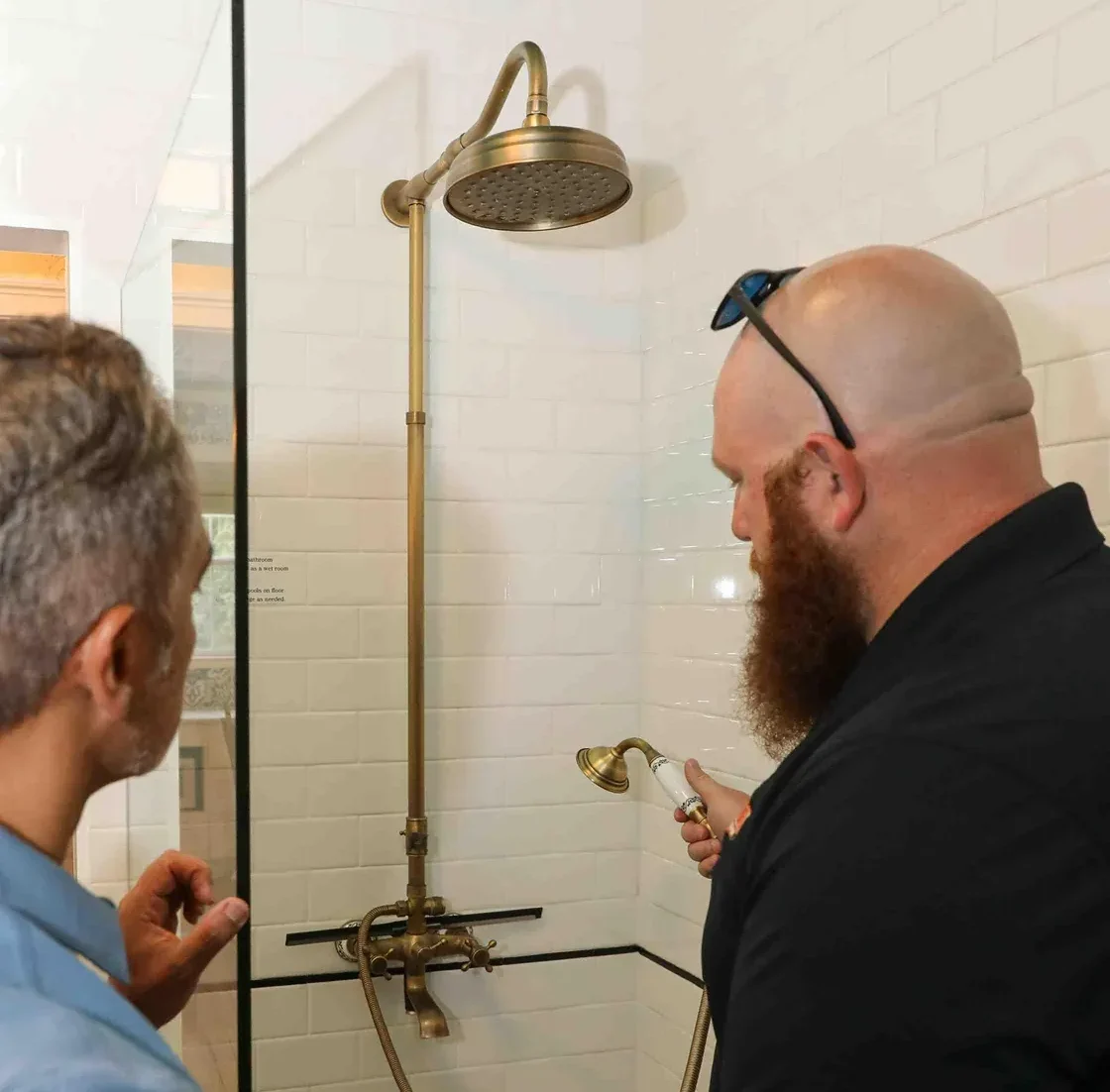
Plumber testing water flow from a bathroom faucet after completing shower installation.

Beyond the Plunger: When to Call a Pro for Your Fort Collins Drain Clog

It’s almost midnight. You’re getting ready for bed when you notice that the shower still has a puddle of water at the bottom. To avoid calling an emergency plumber, you try using a plunger. Unfortunately, this only seems to make the problem worse. Now, you’re left with an overflowing toilet and a sewage-covered floor.

If you’re dealing with a drain clog in Fort Collins, your instinct to grab a plunger may not pay off. While plungers can help you deal with simple clogs, more serious problems go beyond just a plunger. In these instances, you need to call for professional plumbing repair in Fort Collins.

The Plunger & Basic DIY: When It Works

Plungers are designed to use suction to pull out clogs. For example, they typically work well if you have some hair in the bathroom sink or small food particles in your kitchen sink. 

Basically, the plunger uses pressure and suction to pull clogs out of your drain. When you press the plunger into the drain, it pushes the clog and any water deeper. As you pull the plunger back, it creates a vacuum that pulls the clog out. However, this is only effective for small, manageable clogs.

When it comes to DIY solutions to recurring drain clogs, you should never use store-bought cleaners. Chemical drain cleaners are known for being incredibly corrosive. This means that they can end up harming your pipes and leading to more expensive repairs in the future.

Signs Your Drain Clog Needs a Pro

Although a plunger works for basic problems, it won’t be effective in every case. If you notice the following symptoms, you need to call an emergency plumber in Fort Collins.

  • Recurring Clogs: Once you fix a clog, the drain should operate normally again. If the problem keeps coming back, grease buildup, tree roots, damaged pipes, or another underlying issue is causing the recurring drain clogs.
  • Multiple Clogged Drains: While it’s possible that multiple clogs occurred simultaneously, it isn’t the most likely reason. In most cases, multiple clogged drains mean you have a sewer line issue that is affecting all of your drains at once. This is an emergency situation. If you don’t call for a plumber right away, you may end up with sewage inside your home.
  • Slow Drains Throughout the House: If you have slow drains in your entire home, you’re likely dealing with a systemic issue. Avoid chemical drain cleaners, like corrosive chemicals. Instead, call our team for professional plumbing services in Fort Collins to diagnose the underlying cause of your slow drains.
  • Foul Odors From Drains: Although foul odors are sometimes just from buildup, it can also stem from blockages in your sewer line that need to be removed.
  • Gurgling Sounds: If you hear gurgling noises in your drain or toilet when no one is using the fixtures, there may be trapped air. This typically happens because the main drain or vent system has a blockage.
  • Water Backing Up: When water backs up in odd places, it indicates a problem. Your toilet shouldn’t bubble when your washing machine drains. Similarly, it’s not normal for your shower to back up each time you flush the toilet. If you experience these situations, you likely have a main drain clog in Fort Collins that needs to be professionally repaired.
  • Visible Damage or Sewage: If there’s standing water in your yard, wet spots around your foundation, or any indications of raw sewage, you need to schedule professional drain cleaning in Fort Collins right away.

The Dangers of Ignoring or Improperly Addressing Serious Clogs

Finding the best slow drain solutions is important if you want to save on repairs in the long run. If you don’t deal with a drain clog in Fort Collins right away, you may experience one of the following costly complications.

  • Increased Damage: Over time, the ongoing pressure on your pipes can cause cracks, leaks, and burst pipes. When this happens, the repair costs can quickly add up.
  • Health Hazards: If raw sewage leaks out of your pipes, it can cause major health consequences. The moisture and standing water can also lead to mold, which can cause other health problems.
  • DIY Mistakes: Common DIY drain cleaner dangers, like damaging or corroding the pipes, can be expensive to repair. Improper use of drain snakes and other DIY mistakes can end up pushing the clog farther into the lines, worsening the problem.
  • Escalating Costs: Fixing a minor problem in the present is always less expensive than waiting for the issue to escalate into widespread sewer backups or burst pipes.

How Balance Point Heating, Cooling & Plumbing Tackles Tough Clogs

If you need help with clogged drain repair in Fort Collins, Balance Point is only a phone call away. We have advanced tools and the latest expertise, so we can accurately diagnose and repair the problem.

More importantly, our team cares about finding long-term solutions. We tackle the root of the problem instead of simply alleviating the symptoms, so you get results that last. 

Unfortunately, drain issues don’t happen on a set schedule. Whether it’s in the middle of the night or on a busy weekend day, our emergency plumbers in Fort Collins are available for all of your urgent plumbing disasters.

Why Fort Collins Homeowners Trust Us

Fort Collins homeowners face a specific set of challenges. Older homes often have aging plumbing systems. Mature trees can lead to root intrusion, causing widespread sewage backups. Additionally, the changing seasons can affect ground movement.

At Balance Point Heating, Cooling & Plumbing, we have the local expertise to handle all of these unique situations. Our team of certified plumbers is committed to providing tailored plumbing repairs and reliable services. We value your time, which is why we’re punctual and ready to go before your scheduled appointment begins. 

Get Professional Plumbing Help Near You

By scheduling a plumbing appointment in Fort Collins, you can get the drain cleaning, plumbing repairs, and inspection services you need. If you’re experiencing backed-up drains and foul odors, you can’t afford to let the stubborn drain clog in Fort Collins turn into a plumbing nightmare.

Do you have a recurring drain clog in your Fort Collins home? Don’t pour corrosive drain cleaners down your pipes! Contact Balance Point Heating, Cooling & Plumbing for expert diagnosis and effective solutions.

How to Choose an Energy-Efficient AC: A Complete Guide

Whether you want to save money on energy costs or protect the environment, investing in energy-efficient air conditioners is a good first step. Today, people are increasingly aware of how their decisions impact the climate. As awareness grows, new technology has emerged that has made heating, ventilation, and air conditioning (HVAC) units more energy-efficient than ever before. Plus, high-quality ACs can filter contaminants out of the air, achieve a better level of performance, and reduce the amount of energy you use each month.

For homeowners, choosing the best energy-efficient AC units can be challenging. With so many energy rating systems and calculations involved, it pays to reach out to the experts for help. Learn more about what to look for in an energy-efficient AC by reaching out to Balance Point Heating, Cooling, & Plumbing today.

How Energy Efficiency Metrics Work

If you need help learning how to choose an energy-efficient air conditioner, start by researching SEER2 and EER. Both of these terms represent how effectively an HVAC system uses energy. The higher the rating, the more efficient the AC is at cooling your home. 

SEER2

At its heart, the seasonal energy efficiency ratio (SEER2) is a way to understand how well ACs transfer heat. Originally, it was known as just SEER. The new, improved calculation, SEER2, is a better representation of real-world usage. If you want to minimize how much power your home uses, you should start by finding an AC that has a high SEER2 rating.

EER

Like SEER2, EER went through a formula update. However, many people still refer to this rating as EER instead of EER2. While SEER2 looks at how an air conditioner moves heat throughout the cooling season, EER focuses on heat transfer at a specific moment in time. Like SEER2, a higher EER rating means the unit is more energy efficient.

The Different Types of Available Air Conditioners

While each home has different requirements, there are three main types of cooling systems that homes use. Before you can determine which brand has the best energy-efficient AC units, you should first consider whether you want a central air conditioner, heat pump, or ductless mini-splits.

  • Central Air Conditioners: When people think about air conditioning systems, central air conditioners are normally the first option that comes to mind. This type of air conditioner contains an indoor and outdoor unit that are connected by copper refrigerant lines. Because the refrigerant can store and release heat based on its compression and expansion, it can effectively transfer heat from inside your home to the outdoor world.
  • Heat Pump: Heat pumps work on a similar concept to central air conditioners. Like central ACs, refrigerant lines transfer summertime heat from inside the home to the outside world. However, heat pumps can also reverse the direction of heat transfer in the winter. This means they can bring outside heat indoors during the coldest months of the year, providing a versatile and convenient heating option.
  • Ductless Mini-Splits: Ductless mini-splits are intended to be used in a single room or zone. Thanks to this design, you can easily personalize the temperature settings to match your preferences. Additionally, ductless mini-splits don’t require any ductwork to transfer cold air throughout your home, making this an incredibly easy, energy-efficient option for homes that don’t have any existing ductwork. 

Technically, there are other types of air conditioners, like portable units and window ACs. However, these options aren’t designed for large rooms or entire homes. Because of this, you’ll generally want to go with a central AC, heat pump, or ductless mini-splits for your new AC installation.

Determining the Correct AC Size

While you might think that getting a larger AC is better, the wrong AC size can actually worsen your energy efficiency. With an oversized unit, the AC reaches the appropriate temperature too quickly and shuts off. This can lead to short cycling, which causes added wear on your AC.

Similarly, an undersized AC can also cause problems. When your AC’s capacity is too small, it can make your AC stay on for extended periods. This type of non-stop functionality leads to unnecessary wear, resulting in premature breakdowns.

As a general rule, most homes require ACs that have a 1-ton to 5-ton capacity. Each ton includes 12,000 British Thermal Units (BTUs) per hour. There are basic calculators online that can give you a rough idea about your BTU requirements based on your square footage. To get the exact capacity you need, you’ll also need to take into account your home’s insulation, sun exposure, window quantity, and ceiling height.

Because so many factors are involved in selecting energy-efficient air conditioners, it’s essential to consult with our HVAC technicians before you buy a new unit. We’ll quickly come out to your home to calculate your ideal AC capacity based on your home’s unique factors.

Key Features to Look For in a New AC

When investing in a new HVAC system in Fort Collins, there are a few important factors you need to keep in mind. The following qualities will help you achieve the best comfort, energy efficiency, and performance possible.

  • ENERGY STAR: An ENERGY STAR certification is only given to the most energy-efficient ACs, so always look for HVAC systems that have this logo.
  • AC Capacity: Your AC needs to have the right capacity for your home. Overly large or small ACs will wear down early and have lower energy-efficiency levels.
  • Programmable Thermostats: ENERGY STAR estimates that getting a smart thermostat can lower the average home’s heating and cooling costs by up to 8% per year. Programmable and smart thermostats can be adjusted to have set temperature schedules, ensuring you don’t have to spend money cooling your home when you’re away.
  • Smart Features: Other than programmable thermostats, there are other smart features that can help you maximize your energy efficiency. Remote monitoring and performance optimization can help you maximize your energy efficiency and enjoy more precise temperature control. Meanwhile, automated notifications and diagnostic features help you know when to change filters and perform maintenance tasks that will boost the unit’s overall efficiency.
  • Variable-Speed Compressors: Variable-speed compressors are capable of modulating their cooling output instead of simply turning on or off. Because of this, ACs that have variable-speed compressors have better energy efficiency and performance levels.
  • Noise Levels: For your comfort, you should think about the noise level of each AC type. An older or larger unit will generally be noisier than today’s state-of-the-art systems.
  • Air Purification: Besides looking for energy-efficient HVAC in Fort Collins, you should also consider whether you want air purification methods, like HEPA filters, active carbon filters, and UV lights, installed. 
  • Humidifiers: Since Fort Collins has a semi-arid climate, you may want to think about getting a humidifier installed. This helps to boost the humidity in your indoor air and can improve your family’s comfort.

Top Installation and Maintenance Tips

After discovering how to choose an energy-efficient air conditioner, you need to make sure it’s installed and cared for properly. Our professional HVAC installers can ensure your AC is set up for maximum efficiency and performance. Additionally, you likely need professional installation services to retain your warranty’s validity.

Once the installation is complete, proper maintenance will help your AC achieve the best performance and longevity. As a general rule, most manufacturers expect you to change or clean the filters every 30 to 90 days. 

We also recommend getting an AC tune-up each spring before hot weather arrives. With HVAC maintenance appointments, you can get the coils cleaned and your refrigerant levels monitored. We’ll also inspect the HVAC system for any signs of wear or faulty parts.

For a more energy-efficient home, it’s important to make sure your home is properly sealed. Small cracks around your windows or doors can allow hot air to enter your home. In addition, you should make sure your home is properly insulated.

Maximize the Energy Efficiency of Your Cooling System

Other than investing in getting energy-efficient air conditioners, there are a few other tips you can use to minimize your home’s energy consumption.

  • Close Your Blinds: When the sun is at its peak intensity, keep your blinds and curtains closed. If you have older windows, you may want to consider replacing them with ENERGY STAR-certified windows instead.
  • Ceiling Fans: By installing ceiling fans, you can easily make your home feel cooler and more comfortable without actually lowering your AC’s temperature settings. Additionally, the ceiling fan’s ability to circulate the air can lower the amount of work your AC has to do to cool your house.
  • Lower the Temperature: The Department of Energy typically recommends keeping your indoor temperature between 75°F and 78°F for the best energy efficiency. If you raise your temperature by 7°F to 10°F for just eight hours each day, it can lower your overall energy bills by 10%.
  • Use Programmable Thermostats: If you have a programmable or smart thermostat, make sure to use it. These thermostats can be programmed to automatically increase the air temperature when you’re not home, so you can spend less money on cooling your home.

Cost Considerations and ROI

While the best energy-efficient AC units may have higher upfront costs than standard units, you’ll often save money on these devices in the long run. In addition to lowering energy expenses, energy-efficient ACs often include lucrative rebates that reduce the initial outlay.

The average American household spends around $2,000 per year on energy costs. Almost half of this amount is directly from heating or cooling. However, an ENERGY STAR-certified device uses up to 23% less energy to operate, saving you as much as $230 per year and $2,300 in 10 years.

Through the best rebates and tax credits, you can lower your overall costs even more. The Energy Efficient Home Improvement Credit gives homeowners up to $2,000 back for purchasing an energy-efficient heat pump.

In Colorado, you can also get money back through the Colorado Heat Pump Tax Credit. As long as you work with a registered contractor, you can receive a discount of up to 33.33% when you get your new heat pump installed. While air-source heat pumps qualify for up to $1,500 in tax credits, ground-source heat pumps can get credits worth as much as $3,000.

Managing Your Environmental Impact

By investing in energy-efficient HVAC in Fort Collins, you can minimize your electrical consumption and protect the environment in a few important ways. 

  • Reduce Your Carbon Footprint: The best energy-efficient AC units require less energy to operate. Thirty-two percent of Colorado’s electricity is made from coal, so any reduction in consumption can help to minimize your carbon footprint.
  • Use Safer Refrigerants: Starting in 2025, R-410A will begin to be phased out for new installations due to environmental regulations, with alternative low-GWP refrigerants being adopted instead. It can still be used to service, maintain, or operate existing units. By replacing your existing R-410A-based AC with a newer model, you can switch to a safer refrigerant option and help protect the environment.
  • Lower the Power Demand: When electrical grids are set up in each state, they always select stable, low-cost energy sources for the baseline power a system needs. However, there are often times during each day and week when more power is used. During these periods of peak consumption, additional power plants are brought online. Often, the power plants used during peak consumption are from dirtier fuel sources, like coal. By helping to reduce the amount of power needed, you can help lower the power required during periods of peak demand.
  • Help Sustainability Goals: By installing an energy-efficient HVAC system, you can help Colorado and the rest of the United States reach long-term sustainability goals.

Discover the Top Energy-Efficient ACs for Your Home

Whether you want to schedule an HVAC tune-up or need help understanding the ENERGY STAR label, our team is here to help. In addition to installing energy-efficient air conditioners, we can also assist with repairs, maintenance, and replacements. Over the years, we’ve developed a reputation for providing some of Fort Collins’ best HVAC installations.

Find out more about our heating and cooling services by contacting us today.

AC Replacement Cost in 2025: Fort Collins Homeowner’s Guide to Pricing, Rebates & New EPA Rules

Even with the highest quality of maintenance and repairs, air conditioners eventually need to be replaced. If your AC is having ongoing problems, one of our experienced heating, ventilation, and air conditioning (HVAC) technicians can help you determine the best course of action. We can discuss the AC replacement cost in 2025 and help you navigate changing regulations.

Average AC Replacement Costs in 2025

The total AC replacement cost in Fort Collins can vary significantly based on a few important factors.

  • The brand
  • The unit’s capacity
  • How difficult the installation process is
  • Additional HVAC equipment you need to replace
  • Line set protection
  • Tax credits and rebates
  • Ductwork replacements and installations

While the new AC unit cost can vary from home to home, you’ll generally see a price range that varies between $7,000 and $12,000 in Fort Collins.

AC TypeAverage Cost Range
Central Air Conditioner$7,000 – $12,000
Ductless Mini-Split$3,200 – $13,000
Heat Pump$8,000 – $12,000 

Factors Affecting AC Replacement Costs

If you’re getting an AC installation or replacement, there are a few important factors that can impact the total AC replacement cost in 2025. Before your appointment, one of our team members will review your current HVAC setup and determine the best AC installation option. Then, we can calculate the total HVAC installation cost for your home. While each unit is different, the following are some of the key factors that will affect the total cost.

System Type and Size

When we talk about the air conditioner’s size, we’re referring to tons or British Thermal Units (BTUs). One ton of cooling capacity is the equivalent of 12,000 BTUs. During your AC consultation, one of our HVAC technicians will calculate the AC load by considering the design, thermal enclosure, and internal load. They will consider the number of occupants, the orientation of your home, the presence of windows, and other factors to make an accurate estimate of the ideal unit size.

Energy Efficiency Ratings (SEER2)

The Seasonal Energy Efficiency Ratio 2 (SEER2) is created through a very simple calculation.  SEER2 = Total Cooling Output (BTUs) / Total Electrical Energy Input (watt-hours) In essence, SEER2 reflects the total amount of heat removed from your home during the cooling season. By getting an AC replacement with a higher SEER2 efficiency, you can reduce the amount you spend on energy costs.

Installation Complexity and Labor Costs

The complexity of the installation can impact your AC replacement cost in Fort Collins. A more complex installation often requires more time, leading to higher labor costs. It can also necessitate specialized equipment, which can increase the overall HVAC installation cost.

Ductwork Modifications or Replacements 

In an average American home, around 20% to 30% of the air that goes through ductwork ends up getting lost through pinhole leaks and gaps. Because of this, it’s a good idea to get your ductwork sealed and repaired during routine maintenance appointments.  If your ductwork has holes and gaps, it may need to be replaced during your AC appointment. Depending on the heat pump or central air replacement you get, we may also need to modify your existing ductwork. All of these replacements and modifications can end up adding to the total cost of the installation.

Geographical Location and Climate Considerations

The air conditioner replacement cost can vary based on where you are located. For example, a hot climate may require a larger AC capacity. Meanwhile, an especially humid climate may necessitate the installation of a dehumidifier in your home. 

Brand and Model Selection

The brand and model you select can impact the cost to replace AC systems. If you need additional HVAC equipment installed, this will also add to the total price.

Additional Costs to Consider

Finally, there are a few additional costs that can impact your new AC unit cost. Before you get your AC replacement in Fort Collins, we can walk you through some of the estimated costs involved in installing your new AC.

  • Permit Fees and Inspections: Each city has different permitting and inspection requirements, which can cause the cost to vary.
  • Thermostat Upgrades: Smart thermostats and programmable thermostats are convenient and can help you save money on your power bill. When you get an AC replacement, it’s often beneficial to upgrade your thermostat at the same time.
  • Electrical Panel Upgrades: Even high-quality electrical panels can eventually break down. When this happens, one of our HVAC technicians can help you determine the best replacement options.
  • Removal and Disposal of Old Equipment: Our technicians can remove your old HVAC equipment and ensure that it is properly disposed of.

Impact of 2025 EPA Refrigerant Regulations

Another potential factor impacting your AC replacement cost in Fort Collins is EPA regulations. For example, the manufacture of new ACs using R-410A was banned starting on January 1, 2025. You can still replace faulty components and get your R-410A equipment serviced, but new ACs and heat pumps cannot be installed that use R-410A. Instead, you need to have a system put in place that uses R-32 or R-454B.  Besides the phase-out of R-410A, there are other factors impacting the cost to replace an AC system. Thanks to recent changes in international trade and the banning of new R-410A equipment, there may be more supply chain delays and higher prices for the equipment that arrives. Many homeowners and businesses are now replacing equipment that has R-410A, so there is increased demand for these products. Because of this change, early planning is especially important.

Federal Tax Credits and Rebates

Fortunately, there are important steps you can take to lower the cost of your heat pump or central air replacement. There are several important federal tax credits and rebates that can save you hundreds or thousands of dollars.  Under the Energy Efficiency Home Improvement Credit, you can get a tax credit worth up to $3,200 for energy-efficiency improvements you make to your home after January 1, 2023. This credit is worth up to $1,200 per year for specific energy-efficient home improvements, and there are additional limits to the amount you can claim for doors, exterior windows, and skylights.  In total, this nonrefundable credit covers up to 30% of your expenses. For central air conditioners, the maximum credit is $600 per year. You can claim up to $2,000 per year for heat pumps and water heaters. Plus, you can get up to $150 back for performing a home energy audit. There are also state and local tax credits in many areas. In Colorado, there is something known as the Colorado Heat Pump Tax Credit. These are provided through your HVAC company, so talk to one of our technicians to see if you qualify for it.

When to Repair Vs. Replace Your AC

Sometimes, you can save on a new AC unit by simply repairing your existing air conditioner. There are a few situations where it makes more sense to replace your unit.

  • Age: Many central air conditioners and heat pumps will need to be replaced once they’re around 10 to 15 years old. If your AC starts to fail after the 10-year mark, it’s a good idea to get it replaced. 
  • Energy-Efficiency: Even if your AC is in great health, it may make sense to research the AC replacement cost in 2025. Older units are generally less energy efficient than modern air conditioners. Over time, the improved energy efficiency can save you a significant amount of money on your energy bills.
  • Repair Frequency: If your AC seems to break down all the time, your best option may be to get a replacement. Once HVAC systems start to fail frequently, the cost of ongoing repairs will quickly become more expensive than simply getting a new unit. 
  • Cooling Issues: Sometimes, older units will create hot and cold spots in your rooms. If some of the parts are faulty, you may also deal with frozen evaporator coils and other issues. If your AC is unable to provide the performance level you need, it’s time to invest in a new model.

Often, you will hear HVAC technicians talk about the $5,000 rule. This rule of thumb basically means that you should repair any problem if the age of the unit times the repair cost is less than $5,000. If the calculation is more than $5,000, you’re better off getting a new AC.  While there are occasional exceptions to this rule, it is generally an effective policy. If your AC or heat pump will only cost a few hundred to fix, it’s probably a better idea to simply get it fixed. Afterward, you can talk to your HVAC technician about scheduling routine maintenance appointments, so your AC is less likely to break down in the future.

Tips for Saving on AC Replacements

While AC replacements are a necessary fact of life, they are often challenging for homeowners to budget for. Fortunately, there are a few important steps you can take to reduce your costs as much as possible.

Consider Financing Options

One of the best ways to lower your upfront HVAC installation cost is through financing. Our team has a range of different financing options in Fort Collins that can help you afford your AC purchase. We know most people don’t expect their AC to stop working all of a sudden, so we try to make affording a replacement as easy as possible.

Conduct a Home Energy Audit

Before you get an AC installed in your home, you need to have a home energy audit done. This will help you find out where your home is wasting money on energy costs. For example, you may realize that certain rooms need new insulation, or your ductwork is leaking cold air. At the end of the audit, you’ll receive a report about all of the ways your home can save money on its energy costs. 

Wait for Manufacturers’ Promotions 

While some people have to replace their AC after an emergency breakdown, other homeowners are lucky enough to realize that their AC needs to be replaced before it becomes a pressing issue. If you think that you’ll need a new unit in the near future, keep your eye out for manufacturers’ discounts. To see the latest specials at Balance Point Heating, Cooling & Plumbing, check out our promotions page.

Get Multiple Quotes 

You should never feel like you’re being pressured into making a purchase. A good HVAC company will be happy to give you a free estimate for AC replacement costs. Once you have a few different estimates, you can determine which one will work best for your needs.

Schedule Your Replacement for Off-Peak Seasons

In general, HVAC services tend to cost more during the busy seasons. ACs typically break down when they’re being used the most, so many homeowners call us for help during the hottest days of the summer. By scheduling your replacement for off-peak seasons, you can often enjoy better scheduling flexibility and more discounts.

Remember Your Rebates

There are multiple local, state, and federal rebates available for energy-efficient HVAC equipment. Ideally, you should figure out which rebates you qualify for before you get any services. Once you know what the eligibility rules are, you can make sure you pick products that are eligible for the rebate. Then, you should carefully document your receipts so that you can use them when tax time rolls around next year.

Get Your AC Serviced

Ultimately, the best way to save money on AC replacements is by delaying them as much as possible. By scheduling a routine maintenance appointment each spring, you can avoid unnecessary repairs and ensure better AC longevity.

Learn More About AC Replacement Options in Fort Collins

If you need assistance in figuring out the AC replacement cost in 2025, we can help. Our team of HVAC professionals has years of experience working on central air conditioners, heat pumps, and other HVAC equipment. We provide free consultations and personalized advice, so you get the exact help you need. Our team can help you calculate the AC replacement cost in Fort Collins. Learn more about our AC replacement options by contacting us today.

Maintenance Matters: Beat the Heat Before It Beats You – Your Spring AC Checklist for Ultimate Summer Comfort

The signs of summer are unmistakable: longer days, brighter sunshine, and steadily climbing temperatures. While these signs of summer might have you dreaming of poolside relaxation or outdoor adventures, they should also prompt an important question: Is your AC ready for the challenge ahead? Nobody wants to face a scorching heatwave with a struggling air conditioner, and spring is your perfect opportunity to ensure that doesn’t happen.

The True Cost of Waiting

Imagine this: It’s the hottest day of summer. You’re looking forward to walking into your cool, comfortable home after a long day, only to find your AC isn’t working. A hot, stuffy home is more than just uncomfortable – it disrupts your sleep, makes it impossible to work or relax, and can even pose serious health risks. Add to that the skyrocketing energy bills from an inefficient system, and you’ve got a recipe for summer frustration.

The Power of Spring Preparation

Spring AC maintenance is your secret weapon against summer discomfort. Think of it as your air conditioner’s annual physical – a thorough check-up that ensures everything is working as it should. When your AC receives proper spring maintenance, you’re not just preventing breakdowns; you’re investing in your summer comfort and peace of mind.

A well-maintained system does more than just cool your home. It works efficiently, keeping your energy bills in check while providing consistent, reliable cooling throughout your living space. Clean, properly functioning AC systems also play a crucial role in your indoor air quality, reducing allergens, dust, and other pollutants that can trigger respiratory issues.

Your Spring AC Checklist for Ultimate Summer Comfort

Don’t let summer’s heat catch you off-guard. Here’s your comprehensive checklist to ensure your AC is ready for the challenges ahead:

  • Change Your Air Filter (Every 1-3 Months): This simple task is your first line of defense against poor performance and air quality issues. If you have pets or allergies, consider changing it more frequently.
  • Clean the Outdoor Unit: Remove any debris, leaves, or vegetation that may be obstructing airflow around the outdoor unit and reducing efficiency.
  • Check for Leaks and Damage: Inspect refrigerant lines, connections, and the unit itself for any signs of leaks or damage. If you notice anything unusual, contact a professional.
  • Test the System: Turn on your AC and check that it’s cooling properly. Listen for any unusual noises or vibrations.
  • Clean Vents and Registers: Ensure all your vents are unobstructed and clean for optimal airflow.
  • Check Thermostat Operation: Verify your thermostat is working correctly and consider upgrading to a programmable model for better efficiency.
  • Schedule a Professional Tune-Up: This is the most important step. A professional technician will perform a thorough inspection, cleaning, and tune-up, ensuring your AC is running at peak performance.

The Professional Advantage

While there are several maintenance tasks you can handle yourself, nothing replaces the expertise of a professional AC tune-up. Our certified technicians bring years of experience and specialized knowledge to every maintenance visit. They don’t just clean and inspect – they anticipate potential issues, optimize performance, and ensure your system is ready for summer’s demands.

During a professional tune-up, our technicians perform a comprehensive system evaluation, including coil cleaning, refrigerant level checks, electrical system testing, and much more. This detailed attention helps prevent unexpected breakdowns and ensures your system operates at peak efficiency when you need it most.

Making Your Summer Comfort a Priority

Don’t wait until the first heatwave hits to think about your AC’s condition. Spring maintenance is your opportunity to take control of your summer comfort. By addressing potential issues now, you can avoid the frustration of AC problems during the hottest days of the year.

Remember, a comfortable home isn’t a luxury – it’s essential for your family’s well-being and quality of life. Taking care of your AC now means enjoying worry-free comfort all summer long, along with the peace of mind that comes from knowing your system is ready for whatever the season brings.

Ready to Beat the Heat?

Contact us today to schedule your spring AC tune-up. Our expert technicians are ready to help ensure your system is prepared for the summer ahead. Don’t let the heat catch you off-guard – take action now and enjoy the confidence that comes from knowing your AC is in top condition.

HVAC technician uses a Fieldpiece clamp meter and probes to test and repair components of a heat pump unit.

Maintenance Matters: Breathe Easy – How AC Maintenance Protects Your Family’s Health

We often think of our homes as safe havens, places where we can relax and escape the outside world. But what if the air inside your home isn’t as clean as you think? Indoor air quality can significantly impact your family’s health, and your air conditioner plays a crucial role. While its primary function is to keep you cool, a well-maintained AC also helps create a healthier living environment.

Are you concerned about allergens, dust, or other pollutants affecting your family’s well-being? If not, you should be. 

Understanding how AC maintenance contributes to cleaner indoor air is the first step to creating a healthier home.

The Hidden World in Your Air

Take a moment and consider what’s floating around you right now. Even in the cleanest homes, the air can harbor countless invisible threats to your family’s health. Dust and microscopic dust mites circulate freely, triggering allergies and respiratory issues. During peak seasons, pollen sneaks in through every available opening, causing endless discomfort for allergy sufferers. In the dark, damp corners of poorly maintained AC systems, mold and mildew can thrive releasing spores that irritate lungs and trigger asthma attacks. And for pet owners, dander adds another layer of complexity to indoor air quality. 

The Power of Professional Maintenance 

This is where AC maintenance becomes crucial for your family’s health. Think of your AC system as your home’s lungs – it needs regular check-ups to function at its best. During our AC tune-up, our technicians do more than just ensure your system runs efficiently; they create a healthier living environment for your family.   

How AC Maintenance Cleans the Air You Breathe

Regular AC maintenance goes beyond just keeping you cool; it actively works to improve your indoor air quality by addressing these common pollutants. Here’s how:

  • Air Filter Replacement: Regularly replacing your air filter is one of the most important things you can do to improve indoor air quality. Clean filters trap dust, pollen, pet dander, and other airborne particles, preventing them from circulating throughout your home.
  • Coil Cleaning: Dirty evaporator and condenser coils can reduce airflow and create a damp environment that encourages mold and mildew growth. Professional cleaning removes these contaminants, improving both efficiency and air quality.
  • Drain Line Cleaning: A clogged drain line can lead to water buildup and create a breeding ground for mold and mildew. Cleaning the drain line prevents these issues and ensures proper drainage.
  • System Inspection: During a maintenance visit, technicians inspect your entire AC system for any signs of mold, mildew, or other contaminants, taking steps to address them and prevent further growth.

Each of these maintenance steps works together to create a comprehensive approach to air quality. Think of it as a complete cleaning system for your home’s air – where each component plays a vital role in protecting your family’s health. When all these elements are properly maintained, the results can be exceptional.  

A Breath of Fresh Air: The Benefits for Your Family

The impact of clean indoor air on your family’s health cannot be overstated. Cleaner air can significantly reduce allergy and asthma triggers and removing pollutants from the air can improve overall respiratory health and reduce the risk of infections.  

Consider this: we spend roughly 90% of our time indoors. That means the quality of your indoor air has a massive impact on your family’s overall health. Clean air contributes to better sleep, improved concentration, and fewer sick days. It means less time dealing with allergies and respiratory issues, and more time enjoying life.  

Your Next Step Toward Healthier Air

Don’t wait until health issues arise to think about your indoor air quality. Regular AC maintenance is a proactive step toward protecting your family’s health. With summer arriving soon, your AC will be circulating the air throughout your home. Don’t you want that air to be clean?  

Ready to take control of your home’s air quality? Contact us today to schedule an AC Tune-up. Let’s work together to create the healthy home environment your family deserves – where every breath is clean, fresh, and rejuvenating.