5 / 5 based on 1,300+ 5 Star Reviews
We're hiring! Apply online today.
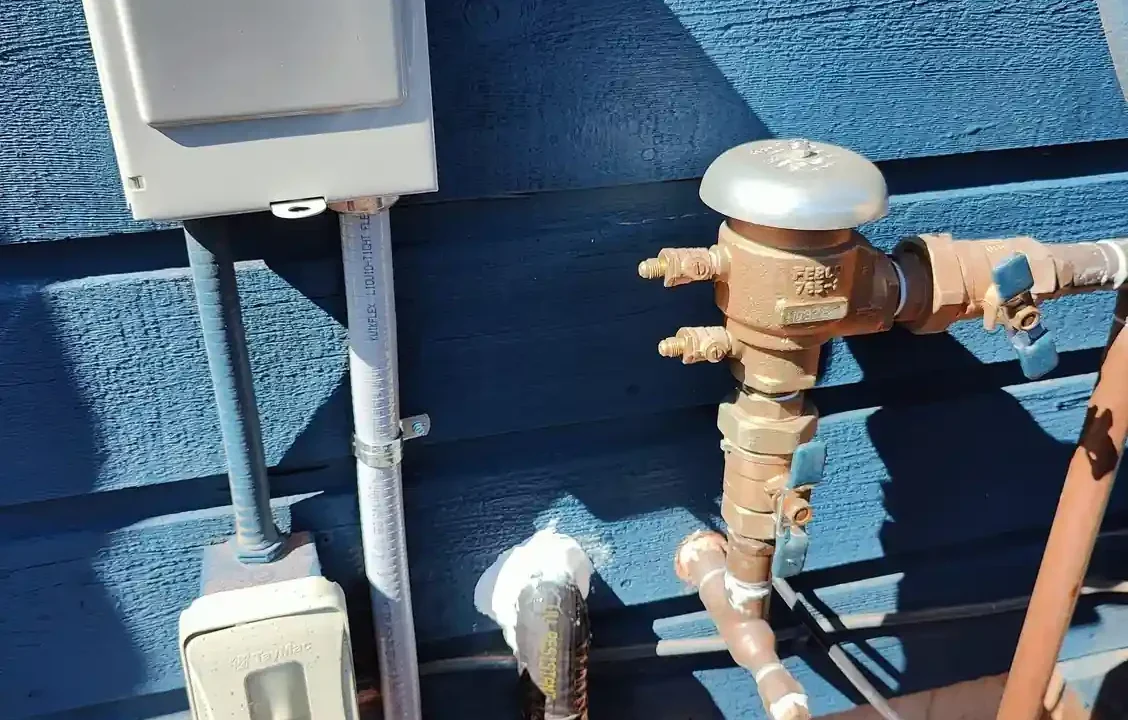
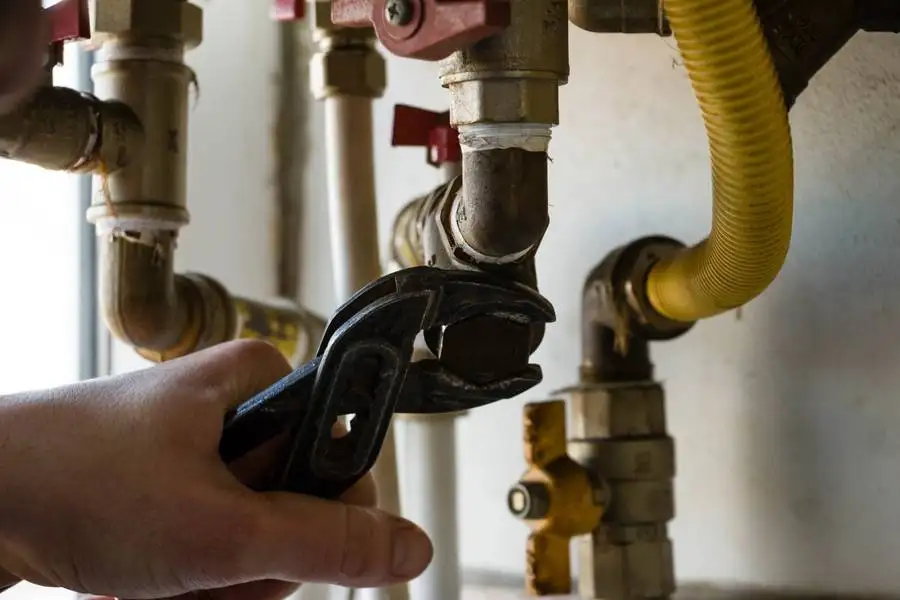
A Febco pressure vacuum breaker backflow preventer installed on an exterior wall for an irrigation system.

Backflow Prevention 101: Protecting Your Drinking Water in Fort Collins Homes

On hot summer days, kids run around in sprinklers and guzzle ice water from the tap. Thanks to our Poudre River and Horsetooth Reservoir water quality, local families get to enjoy water that is the envy of the rest of the country.

However, in order for this water to remain clean, it has to flow in the right direction. If the water pressure changes, the water in your pipes can flow in the wrong direction. For example, this can occur if a water main breaks or there is an unusually high demand for water from firefighting activities.

Once water starts flowing in the wrong direction, it can draw fertilizers, pool water, chemicals, and dirty water into your home’s drinking supply. By investing in backflow prevention in Fort Collins, you can keep your water supply from getting contaminated.

Important Health & Safety Note

If your backflow prevention repair isn’t successful, it isn’t just plumbing damage at stake. Backflow can pull in hazardous materials, such as pesticides, animal waste, lawn fertilizers, and water from fire suppression systems. All of these chemicals can severely harm your family’s health. 

Getting backflow testing isn’t merely a good idea. According to the City of Fort Collins Utilities and other water districts, it is a regulatory requirement and an important public health measure. By preventing backflow, you can protect your family’s health.

What is Backflow?

So, what is backflow testing, and how does backflow work? 

At its heart, backflow is similar to sucking a soda through a straw. When a water main break occurs, the city’s water pressure drops. This causes the pressure in your home’s system to be higher than the pressure in the city’s supply. As a result, dirty water travels backward into your clean water pipes.

Backflow occurs anywhere that clean water meets non-potable water. For example, sprinkler system backflow happens when an underground sprinkler head is submerged in a puddle. Similarly, cross-connections occur when a hose sits inside a bucket of soapy water. 

Through cross-connection control, you can prevent your water supply from becoming contaminated.

The Role of the Backflow Preventer

When it comes to backflow prevention in Fort Collins, a backflow preventer is an essential tool. This brass device is typically found in your basement or on the side of the house.

Basically, this tool uses check valves to physically stop water from flowing backward. When pressure changes cause backflow, the valves automatically block water from flowing in the wrong direction. Then, reduced-pressure zone (RPZ) assemblies can dump out the dirty water.

Why Fort Collins Homes Are Vulnerable?

As a homeowner, you should be proactive about backflow prevention in Fort Collins. In the Loveland Water District and the East Larimer County (ELCO) Water District, there are several factors that increase the likelihood of backflow issues. 

First, Northern Colorado is home to beautiful green lawns and abundant natural beauty. Unfortunately, this means that most homes have underground sprinkler systems. Any time there is a puddle above the sprinklers, cross-connections can happen. In fact, sprinklers are the leading cause of cross-connections.

On top of this, Old Town retrofits and aging infrastructure increase water contamination risks for homes. These older homes often have outdated protection or use boiler systems for heating purposes. Both of these issues mean that older homes require specific winterizing and backflow preventers.

Finally, frozen pipes in Fort Collins lead to specific backflow issues. When October freezes arrive, water inside the backflow preventer’s brass housing can crack. As a result, water contamination can occur.

Maintenance DOs & DON’Ts

As a part of your safe drinking water tips and best practices, remember to adopt the following important maintenance tips for Northern Colorado homes.

DO Schedule Annual Testing

Even if your plumbing system appears to be operating correctly, mechanical parts can wear out. Springs and seals aren’t visible, so you can’t see if they are faulty by looking at your pipes and fixtures. Instead, you should have certified backflow testers come and perform an annual test at your home.

DO Insulate for Winter

While you’ll eventually need to perform a full sprinkler blowout to protect your sprinkler lines from freezing, there are important things you can do to protect your system from an early frost. You can use an insulated pouch or a rock cover to keep the device insulated from unexpectedly cold temperatures.

DON’T Leave Hoses Submerged

As a part of your garden hose safety, you should never leave your garden hose submerged in a fish tank, pool, or bucket. This causes a cross-connection point and contamination. 

DON’T Ignore Leaks 

If your backflow preventer appears to be spitting water out constantly, the check valves are likely faulty. In this instance, you should call us for Northern Colorado plumbing services. Our team can inspect your plumbing system and install a new backflow preventer.

DIY Checks vs. Professional Testing

Before you reach out to schedule plumbing repairs and maintenance, there are a few important checks you can handle on your own.

DIY Checks

As a homeowner, you can use the following tips to maintain your system.

  • Visually inspect the backflow preventer for leaks or cracks.
  • Before cold snaps arrive, make sure the device has been properly insulated.
  • Disconnect and drain garden hoses before winter arrives.

Professional Testing

To keep your system working at its best, you need to schedule a test once per year. You can call our team to talk about the annual backflow testing cost and what to expect. According to the City of Fort Collins’ backflow requirements, residents are required to have this test performed by a certified cross-connection control technician.

During the test, we’ll determine if you need any repairs. We can quickly replace any faulty rubber seals or springs that are inside the unit. If the unit is cracked from a cold snap, we can swap out the entire thing.

The “Prevent It” Pitch: Testing & Winterization

From spring sprinkler startup tasks to flushing your hot water tank, there are important maintenance tasks you can perform to keep your plumbing system working as effectively as possible. Booking annual tests before your deadline and scheduling a winterization appointment before the first hard freeze are essential for preventing contaminated water from getting into your system. 

At Balance Point Heating, Cooling & Plumbing, we often receive repair calls because springtime backflow occurs due to a unit cracking during the winter. Additionally, local residents often reach out because the City of Fort Collins has sent out a noncompliance letter.

Rather than wait for backflow contamination or a noncompliance letter, schedule your test today. Our team can complete your plumbing system’s winterization and blowouts before the freezing temperatures arrive.

Protect Your Home’s Water Quality

Backflow prevention in Fort Collins is essential for ensuring safe, clean drinking water. A well-maintained backflow preventer protects the homeowner and the entire neighborhood from potential contamination. At Balance Point Heating, Cooling & Plumbing, we can handle all of the compliance paperwork, testing, and repairs involved in the process.

Whether you received a letter from the City of Fort Collins or simply noticed a leaking valve, we can help. Don’t put your family’s safety at risk. Reach out to Balance Point Heating, Cooling & Plumbing today to book your certified backflow test.
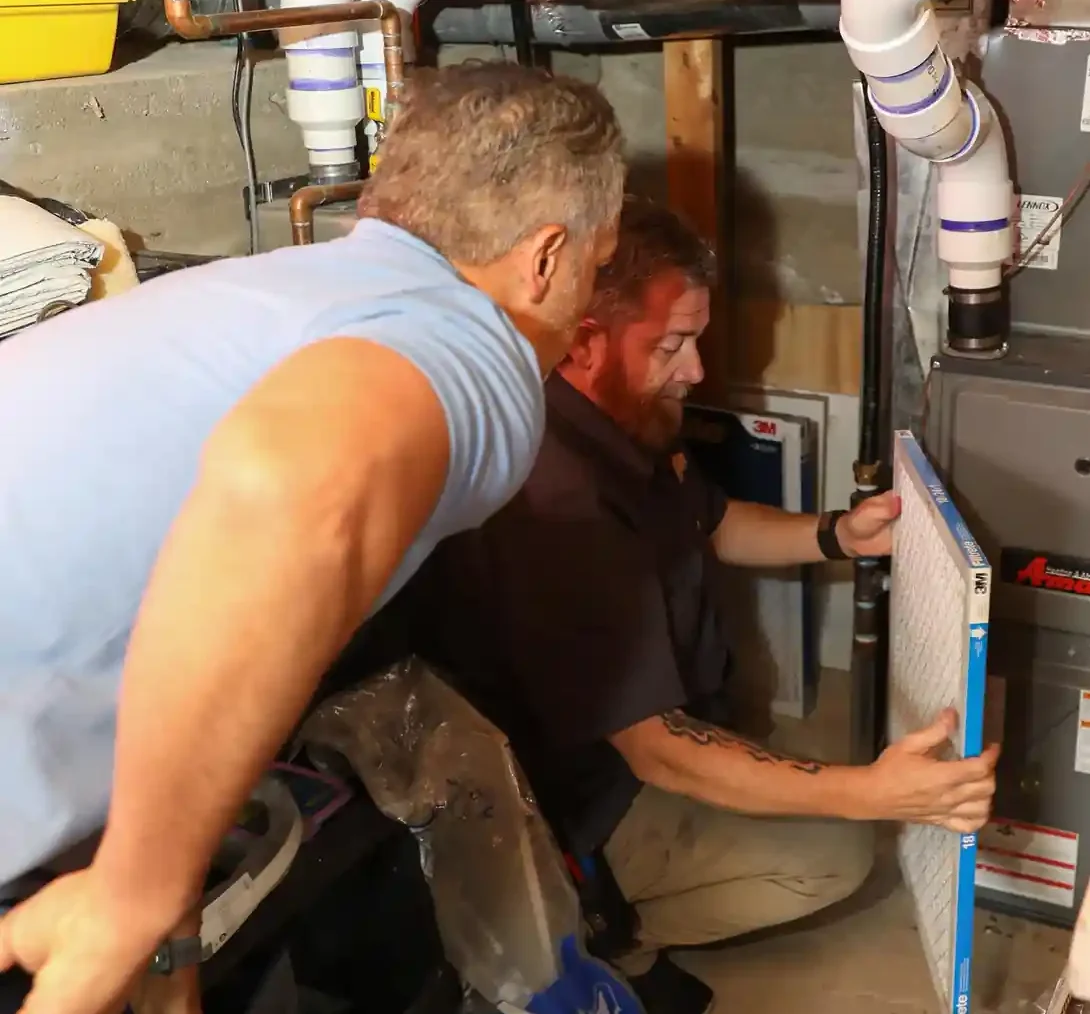
Technician putting back a cleaned furnace air filter to a Lennox furnace unit in a basement.

Electric Wall Heaters: Efficiency Tips and Safety Checks for Older Homes

If you look inside charming Old Town bungalows or in the basement bedrooms of CSU student rentals, you will often see electric wall heaters. These are the fan-forced and baseboard units that heat one room at a time, and they are common in Fort Collins homes that were never fitted with ductwork.

While they may be a quick heating option, electric wall heaters are an expensive way to heat a room. Nearly all the electricity a wall heater draws becomes heat, so the appliance itself wastes very little, but electricity costs considerably more per unit of heat than gas or a heat pump. The efficiency question is about what you pay, not about what the unit does with the power. Besides the running cost, they can also lead to fire hazards when they are not kept clear and maintained.

To protect your family this winter, you need to be proactive about electric wall heater safety in Fort Collins. With the right tips, you can keep your unit running as safely and efficiently as possible. Balance Point Heating, Cooling & Plumbing services these units throughout Larimer County, and we handle the upgrade when a wall heater has reached the end of its useful life.

What Are Electric Wall Heaters?

Often, you will see electric wall heaters in home additions, finished basements, and older homes where setting up new ductwork simply isn’t an option. Because these units have low upfront costs but high operating expenses, they are a popular choice for rental units. You may hear them called Cadet heaters, though Cadet is a manufacturer of fan-forced units rather than a category. Two types cover almost everything installed in this market.

  • Fan-Forced: Also known as the Cadet style, these units look like small, square grates on the wall. They have a fan inside that blows out the warm air. While they are excellent at heating up quickly, they can be fairly noisy.
  • Baseboard: Often referred to as convection heaters, these long units are placed along the floor. The heat wafts upward silently. Although they are quiet to use, they take up potential furniture space in the room. 

Safety First: The “3-Foot Rule” & Fire Prevention

When it comes to wall heater fire hazards and safety issues, there are a few prevention tips that are important to keep in mind. Electric heaters can become incredibly hot. The leading cause of electric heater fires is having flammable objects in proximity to the heater. To prevent fires, all bedding, furniture, curtains, and laundry baskets should be located at least 3 feet away from the unit.

Besides electrical fire prevention, it is also essential to protect children and pets from injuries. The heater’s metal grates can easily burn small fingers or paws.

As a part of your electrical wall heater safety in Fort Collins, you should inspect the wall above the unit for scorch marks. Additionally, pay attention to discolored or melted plugs if the unit isn’t hardwired in. If you do notice plug issues or scorch marks, immediately stop using the unit and call one of our HVAC technicians for heater repair services.

Efficiency Tips: Taming the Electric Bill

Electric heat is billed by the kilowatt-hour, so how you use a wall heater has a direct effect on what you pay each month. Small habits matter more here than they do with a ducted system, because each unit is controlled separately and each one draws power on its own. The three adjustments below make the most difference in older Fort Collins homes.

  • The “Zone” Advantage: With electric wall heaters, you can decide to use heat in select rooms. If you are not using a particular room, you can turn down the heat. For example, you don’t need to heat a home office or guest room if no one is in it.
  • Thermostat Upgrades: The dials on electric wall heaters are notorious for being inaccurate. If you’re struggling with high electric bills, you may be able to save money by upgrading to a digital line-voltage thermostat.
  • Stop the Drafts: When cold air gets into your home, your heater has to work harder to heat the air again. You can save money by sealing your doors and windows to prevent drafts.

Maintenance: Conquering the “Burning Dust” Smell

When you switch your heater on in November, you may notice the smell of burning dust or hair. This is because dust can settle on the heating element over the summer. To avoid this odor, try cleaning electric wall heaters before you need to use them.

To clean the unit, start by turning off the heater at the breaker. This is an important safety tip and the most important step to remember in the cleaning process.

Then, use a vacuum hose to vacuum out the debris. If you have a can of compressed air, like the type used for computer keyboards, you can use it to break off stubborn dust particles. Once this is done, you can enjoy better airflow and fewer bad odors. Better airflow also means your heater can run less to heat the room, leading to lower energy bills.

The “Upgrade” Conversation: When To Move On

While electric wall heaters are great supplemental heat for drafty rooms, there is a limit to how effective they can be. Resistance heating is known for being 100% efficient, which means all of the energy that goes into the unit is turned into heat. However, this electricity can quickly become expensive. 

Instead, homeowners should consider the advantages of ductless mini-splits vs. electric baseboard heaters. When heating older homes in Colorado, there are rarely ducts available for furnaces. Because of this, ductless mini-splits are a convenient alternative. These units are designed to move heat instead of creating it, leading to significant energy-efficiency gains. Additionally, ductless mini-split installations can also air condition your home in the summer, which is something that wall heaters can’t do. 

If you are weighing the switch, our guide to setting the right temperature on a ductless mini-split covers how these systems behave day to day once they are in.

DIY Checks vs. Professional Help

If your home is outfitted with supplemental heating solutions, there are a few basic things you can do to improve your energy efficiency, comfort, and safety. More advanced tasks should be left to the experts.

To care for your system, remember to clean it before the heating season begins. Adjust the thermostats so that you do not use an excessive amount of energy. As part of Larimer County fire safety, you should also keep the area around the unit clear so that there is nothing nearby that can catch fire.

For more serious problems, you should always call one of our experienced HVAC technicians for help. If you notice the heater’s circuit breaker tripping frequently or the thermostat sparks when you turn it on, shut it off immediately and call for help. A buzzing noise indicates a bad fan motor in fan-forced heaters, which should be dealt with by our professional HVAC technicians. Additionally, call us for help if you need a new dedicated circuit or if you want to install ductless mini-splits. 

Prepare Your Home for Winter

While wall heaters are effective at heating different zones in your house, they can be potentially dangerous. By keeping up with electric wall heater safety in Fort Collins, you can protect your family from potential fires. In addition, routine maintenance can also keep your energy costs down.

Tired of high electric bills cutting into your budget? Whether you need to maintain your wall units or are ready to look at a ductless upgrade, let Balance Point Heating, Cooling & Plumbing help with all of your safety inspections and energy-efficient upgrades. Contact us today!

Technician fixing a boiler in Colorado homes.

Frozen Pipes Playbook for Colorado Winters: Prevention, Thawing & When to Call a Pro

One day, you wake up to sunshine and temperatures at 50°F. The next day, a polar plunge brings along sub-zero nights and howling winds. 

For Colorado homeowners, these weather changes aren’t just a matter of comfort. If a pipe freezes during cold weather, it’s a ticking time bomb that can explode and lead to thousands of dollars in damage. As water freezes, it expands and places extreme force on your pipes. Eventually, this can cause them to burst open. 

With the best plumbing tips and frozen pipe prevention in Fort Collins, you can learn the most common signs of frozen pipes and how to thaw frozen pipes safely. We’ll review when you can handle pipe-related issues on your own and when to call in our team of experienced plumbers at Balance Point Heating, Cooling & Plumbing. Read on to learn more.

Critical “First Down” Rule: Know Your Shut-Off Valve

Before worrying about any other tips, the first step is to find your water main shut-off valve location. If a frozen pipe ends up bursting during an Arctic blast, knowing the valve’s location can prevent major damage from happening. This valve can shut off all of the water going into your home, ensuring your home remains dry.

Typically, you can find the shut-off valve in your basement or mechanical room. It may also be in a utility room or the crawlspace entrance. To make sure it will work in an emergency, try testing it to see if it turns properly.

Defensive Strategy: Prevention (The DOs)

As a part of your frozen pipe prevention in Fort Collins, remember to use the following prevention tips.

DO Disconnect Garden Hoses

To winterize plumbing in Fort Collins, start by disconnecting your garden hoses. When these hoses remain attached to the spigot, they allow water to stay trapped. This can eventually freeze into the wall and burst the pipe. As the #1 cause of spring leaks, this is the most important thing you can do to prevent burst pipes.

To protect your home, detach the hose and allow it to drain. For added protection, install an insulated faucet cover on the spigot.

DO Keep the Heat On (Even When Away)

If you’re away on a ski trip or family vacation, leaving the heat on can feel like a waste of energy. However, turning the heat down carries significant risks.

When it comes to preventing pipes from freezing while on vacation, we recommend keeping your thermostat set to at least 65°F. Additionally, you should open up cabinet doors so that air can circulate around the pipes.

DO Insulate Vulnerable Pipes

In drafty crawl spaces, temperatures can fall significantly. Garages, attics, and crawlspaces have pipes running through them, but these areas are often unheated. To avoid frozen pipes, use UL-listed heat tape or foam pipe sleeves on exposed plumbing.

DO Let Faucets Drip

Another technique is to use dripping faucets to prevent freezing. When water is moving, it is less likely to freeze. Ideally, you should turn on the faucet that is farthest from the water main. If temperatures are forecast to fall below freezing, leave the faucet on so that it drips slightly. For the best results, use lukewarm water.

Offensive Strategy: Thawing Frozen Pipes 

Even with the best prevention techniques, your pipes may still freeze during Front Range cold snaps. You’ll know that they are frozen because nothing comes out when you turn the faucet’s handle. If the pipes are just beginning to freeze, a trickle of water may come out. Often, the exposed pipe will also have frost on it. 

When this occurs, you need to keep the faucet open. This will allow water and steam to get out as the pipe starts to thaw. 

Then, get a hair dryer or portable space heater to warm up the pipe on the faucet side. As the faucet side warms up, you can work backward toward the frozen section. Make sure space heaters and hair dryers are kept at a safe distance from the water so that you don’t electrocute yourself or others. If you don’t have either of these devices, you can try wrapping the pipe in a towel soaked in hot water.

The Dangerous DON’Ts

When dealing with Poudre Valley weather shifts, never do the following things. 

  • NEVER Use an Open Flame: Open flames, like blowtorches and propane torches, should never be used on a frozen pipe. This is a major fire hazard. Besides causing a fire, open flames can cause the water to boil inside of the pipe and lead to an explosion.
  • NEVER Use a Charcoal Stove or Gas Device Indoors: Sometimes, people will try to use charcoal or gas devices to warm up frozen pipes. You should never use these types of devices inside because of the carbon monoxide risk involved. Instead, call Balance Point Heating, Cooling & Plumbing for emergency services.

When To Call the Pros: The “Red Flag” Scenarios

If you’re dealing with an emergency, a Northern Colorado emergency plumber can quickly diagnose the problem. Besides scheduling burst pipe repairs in Fort Collins, you should call our team in the following situations.

  • The Freeze Is Inaccessible: Sometimes, the frozen section is hidden inside the wall or underground. If this is the case, you’ll need to reach out to a professional plumber for plumbing repairs. We have specialized equipment that allows us to thaw out pipes without taking apart your walls.
  • The Wind Chill Factor: Cold temperatures aren’t the only thing that can cause frozen pipes. When high winds blow along the Front Range, they can get into cracks in your siding and foundation. This can cause flash-freezing of uninsulated pipes.
  • The Pipe Has Already Burst: Pooling water or the sound of rushing water is a major indication that one of your pipes has already burst. If this happens, you should immediately shut off the main valve and call our team for emergency services. We’re available 24/7 to help with your plumbing emergencies.
  • You Can’t Locate the Blockage: If you are unable to find where the frozen section is, it may be at the main service line entry. In this situation, you need to reach out for professional help.

Why Northern Colorado Homes Are Susceptible

From Old Town historic homes to CSU student housing, there are unique types of construction in Larimer County that can increase the likelihood of frozen pipes. Many homes have vented crawl spaces, allowing frigid air to circulate around your pipes. Additionally, local homes often have slab foundations where pipes are run through cold concrete.

Solve Your Frozen Pipe Problems Quickly 

While wintertime in Fort Collins is incredibly beautiful, the cold weather brings along certain maintenance requirements. From plumbing heat tape installation to dripping faucets, there are a few important steps you should take for frozen pipe prevention in Fort Collins. 

If you do wake up with frozen pipes, don’t panic. Our team of trusted plumbers can help you thaw out your pipes and avoid a major disaster. 

Worried about how your plumbing systems will handle freezing temperatures? Give Balance Point Heating, Cooling & Plumbing a call today at 970-345-3361 for emergency frozen pipe repair and winterization services.

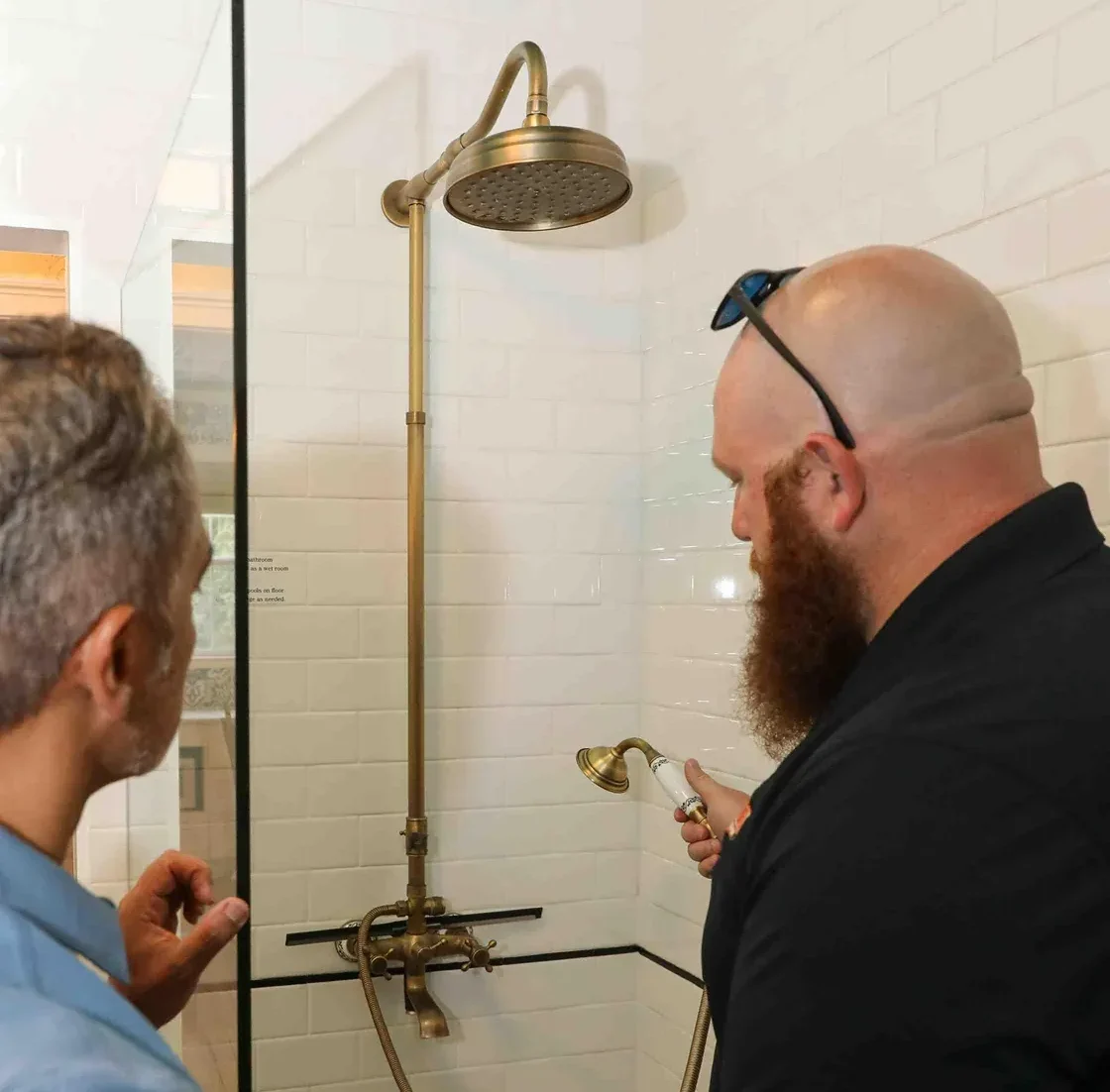
Plumber testing water flow from a bathroom faucet after completing shower installation.

Is Fort Collins Water Hard? What Your Water Actually Needs

Fort Collins water is soft. The city’s treatment plant reports total hardness of roughly 30 mg/L, which converts to about 1.75 grains per gallon. The Water Quality Association classifies anything below 3.5 grains per gallon as soft, so the city falls well within that range. The supply comes from Colorado-Big Thompson snowmelt through Horsetooth Reservoir and the Cache la Poudre River, both low-mineral surface sources rather than mineral-rich groundwater.

That surprises many homeowners, particularly those who moved here from the Midwest or from a Front Range property on well water. If you are seeing spots on glassware, film in the shower, or a chlorine taste at the tap, hardness is almost certainly not the cause. Something else is, and the fix is usually different from what a general water softener guide would tell you.

Our licensed plumbers test water at the tap and match treatment to the result rather than to an assumption about the region. The sections below cover what each symptom usually means in this market, where hardness genuinely does appear in Larimer County, and which systems solve which problem.

A safety note before any of it: locate your home’s main water shutoff valve and learn how to close it. A mistake during a treatment system install can flood a utility room in minutes with the supply still open. Have a professional plumber handle the installation.

What Your Symptom Probably Means

Most water complaints in Fort Collins trace back to one of three causes: chlorine or chloramine from the disinfection process, dissolved solids that survive treatment, or a fixture problem that has nothing to do with the water itself. Sorting the symptom correctly matters, because the equipment differs in each case and a softener addresses none of them. If your home shows any of the signs below, our team can walk you through the water filtration and purification systems that target the actual cause.

Bad Taste or Chlorine Smell

Sometimes, Northern Colorado homeowners reach out because they notice a foul taste or chlorine odor. This is the most common legitimate water complaint in the city, and it has no connection to hardness. Instead, the taste and smell are due to the disinfection process the city uses or dissolved solids. Rather than get a water softener, you should invest in a whole-house carbon filter or a reverse osmosis system. A carbon filter handles chlorine taste and odor at every tap in the house. A reverse osmosis unit under the kitchen sink goes further and removes dissolved solids that carbon leaves behind.

Spots on Dishes and Glassware

Spots on your dishes and glassware read as a hard water symptom in most guides, but on a soft municipal supply the cause is usually different. These spots occur due to the small volume of dissolved solids left after treatment, or simply because water dries on the glass before it can sheet off. After you wash the dishes, the water evaporates and leaves residue behind.

Adding a rinse aid and confirming that your dishwasher reaches its final rinse temperature resolves the problem in most Fort Collins homes. If spotting continues after both, the water is worth testing rather than guessing at, because persistent spotting can indicate elevated dissolved solids that a reverse osmosis system would address.

Film on Skin and Dull Hair

Dry skin and dull hair get blamed on hard water constantly. On a soft supply, the more likely factors are water temperature, chlorine in the line, or the products themselves. A whole-house carbon system or a shower filter reduces chlorine exposure directly. A softener would add sodium to your water without touching the cause.

Scale Buildup and Low Water Pressure

Take a look at your faucets and showerheads. If there is a crusty, white buildup, note where it appears and how quickly it returns after cleaning. On soft water, visible crust at an aerator usually traces to water heater sediment, to a private well elsewhere on the property, or to an aerator that has never been cleaned. Heavy, recurring scale inside the plumbing is not typical of the city supply, and it points to something specific that a water test will identify. Sediment in the tank is worth ruling out first, and regular water heater service handles that.

When low pressure arrives alongside the buildup, the restriction usually sits at the aerator or in an aging galvanized supply line rather than in the water chemistry. Older Old Town homes on original lines see this far more often than newer construction in the Harmony Corridor.

Stiff, Dull Laundry

If you notice stiff fabric after doing the laundry, hard water minerals are an unlikely explanation on the Fort Collins supply. Detergent residue is the more common cause, and it happens because soft water needs less detergent than most households actually use. Cutting the dose and running an extra rinse cycle resolves it in most cases.

Where Hard Water Is a Real Issue in Larimer County

Hardness is a genuine problem in this area, just not inside the city system. Homes on private wells in unincorporated Larimer County draw groundwater that has moved through mineral-bearing rock, and hardness there can run several times higher than the municipal figure. Well depth, location, and season all affect the reading, so two properties on the same road can test differently.

If your home runs on a well, a softener may be exactly the right equipment. That decision should follow a water test reporting hardness in grains per gallon alongside iron, manganese, and pH, because well water frequently needs more than softening alone.

Water Outside the Fort Collins System

Nearby communities run on different sources and different treatment, so the Fort Collins figure does not transfer across the region. Greeley, Windsor, Johnstown, Berthoud, and Longmont each publish an annual water quality report, and the profiles vary between them. Check the report for your specific utility rather than assuming Northern Colorado behaves as a single market.

Checks You Can Safely Do Yourself

A few simple checks will tell you whether you have a water quality problem or a fixture problem, and they cost nothing to run. Doing them before you call means the conversation starts with real information instead of a guess. They also rule out the easy explanations, which is worth doing before anyone quotes you on equipment.

  • Do: Pull and clean your faucet aerators and showerhead. Soak them in vinegar overnight, then note whether buildup returns within a few weeks.
  • Do: Add a rinse aid when you wash dishes and confirm the dishwasher is reaching temperature.
  • Do: Check Fort Collins’ annual water quality report to see the latest hardness data and confirm the figure applies to your address, since some outlying properties sit outside the city system.
  • Don’t: Never use harsh cleaners on your fixtures. The abrasive chemicals can damage the finish.
  • Don’t: Never use a store-bought water test kit to size treatment equipment. These kits lack the accuracy for that decision, and on soft municipal water they frequently produce a reading that gets misread as a hardness problem.

When to Call a Professional

You may need a professional plumber in Fort Collins when a symptom persists after the simple checks, or when you want a treatment decision built on data rather than a general assumption about the region. While cleaning visible scale can help temporarily alleviate the issue, it does not solve the underlying problem.

At Balance Point Heating, Cooling & Plumbing, we can help you determine whether you need treatment at all, and if so, which type. We will start by performing an accurate water test that reports hardness in grains per gallon (GPG) alongside chlorine, dissolved solids, and pH. We will then review your family’s current water usage. This allows us to determine the right size and type of system, or to tell you the water is fine and the problem sits with a fixture. Either answer gives you peace of mind and a clear next step.

Matching the System to the Problem

Whether you want a reverse osmosis system, water heater service, or a whole-house water filter, our team of licensed plumbers can help. To remedy a water quality problem, you need a system expressly designed for the job. Three situations cover almost every home in this market:

  • Taste and Odor Problems: This is the most common need in Fort Collins. If chlorine or chemicals are the main problem, a whole-house carbon filter is your best bet. To achieve the purest water, a reverse osmosis system is considered the gold standard.
  • Dissolved Solids and Persistent Spotting: When testing confirms dissolved solids that treatment did not remove, a reverse osmosis unit at the point of use covers drinking and cooking water without treating the whole house unnecessarily.
  • Confirmed Hardness on Well Water: If a test confirms hard water, which in this area typically means a private well outside the city system, a softener using ion exchange reduces the calcium and magnesium. Our team can discuss whether a salt or salt-free unit suits your household.

Whole-house filtration and reverse osmosis are both financeable, and our financing options cover the installation. Filter changes and system checks are included in the Whole Home Comfort Plan, which keeps the equipment performing to spec instead of degrading quietly between service calls.

Protect Your Plumbing and Your Water Quality

Fort Collins homeowners are not fighting hard water. The real issues here are chlorine taste, dissolved solids, and fixtures that need attention, and each one has a specific answer. By learning to read the symptom correctly, you can determine the best system for your needs and avoid paying for equipment that solves a problem you do not have.

The right system protects the fixtures and appliances you already own, and it improves your family’s daily comfort at every tap.

If you are tired of guessing at what your water needs, Balance Point Heating, Cooling & Plumbing has the extensive experience and solutions you need. Our certified plumbers test first and recommend second. We understand local water sources, treatment processes, and plumbing codes, so you can enjoy a hassle-free experience and real peace of mind about what comes out of your tap.

Call Balance Point Heating, Cooling & Plumbing today for a professional water analysis and an estimate in Northern Colorado.

Plumber tests the water flow of a newly installed dark-finish widespread faucet in a clean residential bathroom.

Leaky Faucet? How to Fix This Common Plumbing Annoyance

The drip, drip, drip mantra of a leaky faucet is more than just an annoyance when you’re trying to sleep. It also indicates wear and tear on your plumbing fixtures, which can spiral into major repairs. 

Fort Collins is known for its hard water and freeze-thaw cycles. Unfortunately, these factors can wreak havoc on your plumbing systems. We’ll help you learn how to fix a leaky faucet, decode its underlying cause, and determine when to call a professional from Balance Point Heating, Cooling & Plumbing. 

Quick Safety Note: Before you begin any emergency faucet repair, you should always shut off the water supply using the small valves underneath your sink. You can do this by turning the valves clockwise until they stop completely. If the valves won’t turn or you can’t find them, you need to turn off your home’s main water shutoff. Then, place a towel in the sink basin so that you don’t accidentally drop parts down the drain.

What That Leak Likely Means: A Cause-by-Cause Guide

So, why is my faucet leaking? While faucet leaks are incredibly common, figuring out the underlying cause can be challenging. We’ll look at the most common faucet problems in Northern Colorado, why they happen, and how you can fix them.

Drip From the Spout

The most common type of leak is when there is a drip from the spout. This generally happens when there is a worn internal part, such as a degraded washer, faulty ceramic disc, or failed cartridge. You can often fix a dripping kitchen faucet or shower faucet by disassembling the handle. Then, the internal seals or cartridge need to be replaced.

Leak Around the Handle

Sometimes, you may notice pooling around the base of the handle. This typically occurs if the O-ring is worn out or there is a loose packing nut. In some cases, all you have to do is get a wrench and tighten the packing nut. If that doesn’t work, you’ll need to learn how to replace a faucet o-ring. 

Leak From the Base of the Faucet

Another common problem in Larimer County is when a leak happens around the entire faucet body. This means that the O-rings responsible for sealing your faucet to the sink have failed. 

When this occurs, you should generally schedule professional Fort Collins plumbing services. To fix this issue, the water supply lines must be disconnected. Then, the faucet must be completely lifted off the sink so that the seals around the base can be replaced.

Low or Uneven Water Pressure

While this issue doesn’t technically require leaky faucet repair in Fort Collins, low or uneven water pressure can sometimes be mistaken for a leak. Because the Front Range has hard water, mineral buildup can occur in the small screen that is located on the tip of the faucet’s spout. This screen is known as the aerator, and you can easily clean it on your own. You just have to unscrew the aerator, take it apart, and soak the components in white vinegar for several hours to dissolve the mineral buildup.

Why Fort Collins Faucets Are Prone to Leaks

In Fort Collins and CSU area kitchens and bathrooms, it’s important to be aware of hard water’s effects on plumbing. Because of the hard water, mineral deposits start to build up as scale inside your plumbing systems and faucets. Over time, this breaks down the seals and causes metal corrosion. 

Besides the hard water, winter freezes and climatic conditions can also cause issues. Northern Colorado’s frequent freeze-thaw cycles create added stress on plumbing systems, so they are more likely to experience wear and tear. 

Specific neighborhoods and home types also have unique issues. In older homes in Old Town, aging fixtures are more likely to require a faucet replacement service. Meanwhile, new builds in Harmony Corridor frequently have clogged aerators from plumbing debris related to the construction process. At Balance Point, we can help with leaky bathroom sink repairs and all types of faucet repairs so that you don’t have to worry about water damage and high water bills.

DIY Checks You Can Safely Try

If you’re trying to figure out how to fix a leaky faucet, there are a few steps you can take to resolve the problem on your own. For more complex issues, you should call a plumber for dripping faucet repairs.

  • Do: Turn off the water supply at the faucet or main water shutoff before you begin any plumbing work.
  • Do: Clean the aerator using vinegar to reduce mineral deposits.
  • Do: Photograph your faucet’s parts before you disassemble them so that you don’t forget how to put them together again.
  • Do: Cover your sink drain with a towel so that screws and small parts don’t fall down the drain.
  • Don’t: If a handle is stuck, don’t force it. Excessive force can break the entire fixture.
  • Don’t: Ignore water supply line leaks. These are signs that you need to book professional plumbing repair services right away.

When To Call a Professional

While some plumbing maintenance and repairs can be handled on your own, there are others that require a licensed plumber. For example, a leaky faucet cartridge replacement can often be handled on your own. However, you’ll need a professional if a part is seized, you have corroded shutoff valves, or the leak remains after your repair work is done. 

Are you looking for plumbing repair near me? Our team can make sure your plumbing disasters are repaired the right way, so you can avoid water damage from failed DIY repairs. With our convenient financing plans, you don’t have to worry about whether repairs and replacements fit into your monthly budget. We work with you to ensure fast, reliable services at an affordable price.

Prevent It: Maintenance & Good Habits

Ultimately, the best way to avoid costly repairs is through prevention. Regularly cleaning your aerators and learning how to winterize plumbing in Northern Colorado can prevent leaks and other problems. Additionally, routine maintenance and professional repairs are essential for ensuring your small drips don’t transform into major issues. Through Balance Point’s proper faucet repairs and replacements, you can enjoy having reliable plumbing fixtures for years to come.

Get Reliable Solutions to Your Plumbing Problems

A dripping faucet is a clear sign that you have a problem. If you don’t know how to fix a leaky faucet, we can help. Balance Point has the certified experts, local experience, and reliable services you need to solve complex faucet issues. 

Call today for fast, reliable services in Fort Collins and the surrounding areas.

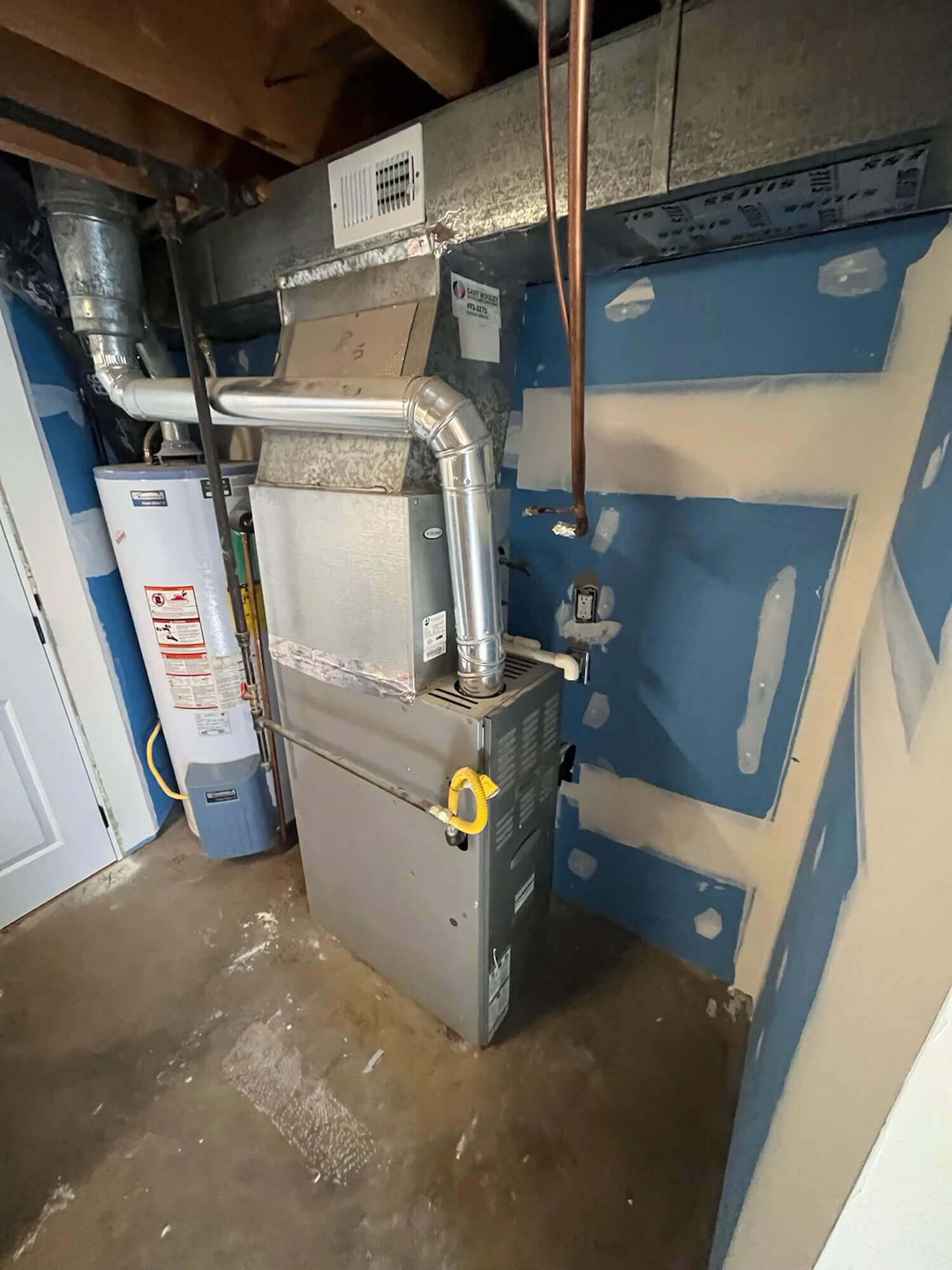
Gas furnace and water heater in a Fort Collins home utility room served by Balance Point Heating, Cooling & Plumbing

Gas vs. Electric Furnaces in Colorado: A Cost & Efficiency Comparison

As crisp autumn evenings give way to the first winter cold snaps of the year, your family cannot afford to have an unreliable furnace. When it is time to replace your unit, the biggest choice is between getting a gas furnace vs. an electric furnace in Colorado. To help with this decision, this guide reviews the costs, performance, and long-term value of both options. 

For a professional evaluation and furnace installation in and around Fort Collins, reach out to Balance Point Heating, Cooling & Plumbing today.

Quick Safety Note: Your furnace replacement should only be handled by certified HVAC technicians. Gas furnaces must be properly vented, and gas line connections must be installed correctly. Otherwise, your furnace may develop a carbon monoxide (CO) leak. Electric furnaces involve significant amounts of electricity, so they must be handled by a professional as well. Never install a furnace on your own. Getting this part right is what lets you stop thinking about the system, which is most of the peace of mind a new furnace should buy you.

The Upfront Cost: Installation

When getting a furnace, the first thing to consider is the installation cost. Depending on the energy type, the furnace replacement cost in Fort Collins and Larimer County can vary.

Gas Furnace

A gas furnace installation is naturally more complex because it involves connecting natural gas lines and setting up venting. On high-efficiency models, you also need condensation lines. Thanks to all of the added complexity, labor, and components, the upfront price for a gas furnace will typically be higher than the cost of an electric furnace.

Electric Furnace

In comparison, an electric furnace does not need a fuel line or venting. You can think of it like an incredibly powerful hair dryer. It just needs to be plugged into a high-amperage circuit, and it can begin blowing warm air into your home. Because of the more affordable equipment and simpler installation, electric furnaces have a lower upfront cost.

What Actually Moves the Installation Price

The headline difference is less useful than knowing which conditions in your own home push either option up. These are the factors that change a quote most:

Drives a gas install upDrives an electric install up
No existing gas line to the house or to the furnace locationElectrical panel at or near capacity
Venting that has to be rerouted or replaced for a high-efficiency modelA new high-amperage circuit and heavier gauge wiring
Condensate drainage where none existsA service upgrade if the panel cannot carry the load
Combustion air supply in a tight or finished basementDistance from the panel to the air handler

A home in Old Town with a gas line already at the furnace is a different job from a new build with no gas service at all, and the gap between those two quotes is usually larger than the equipment difference between the two furnace types.

The Long-Term Cost: Monthly Bills

Another major factor in the heating cost comparison is the cost of gas vs. electric heat. Depending on which furnace you choose and the local utility rates, your monthly utility bills will vary.

Gas Furnace

In Northern Colorado, natural gas tends to be cheaper per unit of energy (BTU). Plus, modern, energy-efficient gas furnaces have 95% AFUE or more, so almost all of the gas is turned into heat. As a result, gas furnaces typically have lower monthly costs than electric furnaces. 

Electric Furnace

While electric resistance furnaces are 100% efficient at turning energy into heat, they still typically have higher monthly bills than gas furnaces. The cost to run an electric furnace in winter is higher because the price of a kilowatt-hour (kWh) is higher than the equivalent amount of energy from natural gas.

How To Work It Out on Your Own Bill

Efficiency ratings mislead people because the less efficient option is usually the cheaper one to run. A 95% AFUE gas furnace wastes 5% of what it burns, and an electric furnace wastes almost nothing, and the gas furnace still costs less per month. What decides it is not efficiency; it is the price of delivered heat.

You can work that out from your own Xcel bill in a couple of minutes:

  1. Find your gas rate per therm and your electricity rate per kilowatt-hour. Both appear on the bill, and the rate depends on whether you are on the flat residential rate or time-of-use.
  2. One therm is 100,000 BTU. Multiply your per-therm rate by your furnace’s AFUE, expressed as a decimal, to get what 100,000 BTU of delivered heat actually costs. A 95% furnace at a given therm rate delivers 95,000 usable BTU per therm.
  3. One kilowatt-hour is 3,412 BTU, and resistance heat delivers all of it essentially. So 100,000 BTU of electric heat takes about 29.3 kWh. Multiply that by your per-kWh rate.
  4. Compare the two figures. That is your real cost gap per unit of heat, at your rates, on your tariff.

Do it with your current rates rather than a figure from an article. Xcel rates in Colorado change quarterly through fuel cost adjustments, and there are live rate cases on both fuels, so any number published today is a snapshot. If you would rather not do the arithmetic, bring us your last two bills, and we will run it alongside a load calculation.

Performance & Comfort on a Cold Night

When sub-zero nights arrive along the Front Range, you need a furnace that will keep you warm. While both furnace types provide consistent heat, one of them stands out as the clear winner.

Gas Furnace

If you’re looking for a high-efficiency furnace in Colorado that provides hot, powerful heat, gas furnaces are the way to go. When sub-zero cold snaps arrive, these furnaces can quickly raise your indoor temperature.

Electric Furnace

In comparison, electric furnaces are known for creating a steady, consistent heat. While it can effectively warm your home, it may require longer cycles to match a gas furnace’s powerful performance.

Why the Fort Collins Climate Matters

When considering a gas vs. electric furnace in Colorado, you need to consider the climate. Because of high-altitude considerations, gas furnaces must be precisely tuned for the thinner air. Electric furnaces do not have the same requirement. 

However, finding the best furnace for high altitude is only one consideration. Powerful gas furnaces are ideal for our dry climate and sudden, deep freezes. Often, older homes in Old Town already have gas lines set up, reducing the cost of a gas furnace installation in Fort Collins. The all-electric new builds in the Timnath/Windsor corridor are designed to use all-electric home heating, such as a heat pump or electric furnace.

Key Factors To Assess in Your Home

Besides looking at the electric versus natural gas furnace efficiency, the right answer depends on what is already in your home. Two houses on the same street can reach opposite conclusions, because one has a gas line at the furnace and the other has a panel with no spare capacity. Six things are worth checking before you ask anyone for a quote.

  • Existing Gas Lines: If your home does not have an existing natural gas line, getting one installed can be expensive.
  • Utility Bills: Check out your utility bills to review your current electricity and gas rates. The method above turns those two numbers into a direct comparison.
  • Budget: Review your budget to see if you can spend more upfront on a gas furnace or if you need to get a budget-friendly electric installation.
  • Solar Panels: If you plan on getting solar panels, these could offset the operational costs of an electric furnace.
  • Sizing: Ask for a professional load calculation because the existing furnace may not be correctly sized. 
  • Professional Installation Services: Always make sure your furnace installation and heating repair service needs are handled by professionals to ensure your family’s safety.

On efficiency tiers specifically, our guide to choosing between an 80% and a 95% furnace covers the decision once you have settled on gas.

When To Call a Professional

If you are weighing a furnace replacement in Fort Collins, we can help. A new furnace is one of the largest investments you will make, which is why you need a professional HVAC technician to perform a detailed load calculation. We can determine the exact furnace capacity you need for a high level of energy efficiency and comfort. Then, we will give you a clear, itemized quote that covers all of the installation costs.

Future-Proofing Your Home: Heat Pumps & Dual-Fuel Systems

If you are considering a heat pump vs. a furnace in Colorado, we can help. Cold-climate heat pumps are incredibly energy efficient and reduce the amount you spend on energy costs. With dual-fuel systems in Colorado, you get the efficiency of a heat pump and the power of a gas furnace. 

For the right home, a dual-fuel system is hard to beat. They deliver powerful heat on the coldest days of the year and energy-efficient performance during the rest of the time. The qualifier matters, though: dual-fuel needs existing gas service and enough electrical capacity to carry the heat pump, so it suits some Northern Colorado homes and not others. Our guide to how heat pumps perform in Fort Collins cold covers half of that question people worry about most.

Prepare Your Home for Winter

When choosing between gas vs. electric furnaces in Colorado, you have to decide if you want a gas furnace’s high upfront cost and low monthly bills or an electric furnace’s low upfront cost and higher monthly bills. Our team can evaluate your existing setup and help you make an informed decision. Through our convenient financing plans, we can also make getting a new installation as affordable as possible.

If you are considering a new furnace, you do not have to decide alone. Our certified HVAC technicians can help you find the right furnace in Fort Collins and across the Front Range. 

Call today to request your estimate.

Frequently Asked Questions

Is a gas or electric furnace cheaper to run in Colorado?

Gas, in almost every case, because natural gas costs less per unit of delivered heat than electricity does at Northern Colorado rates. That holds even though an electric furnace converts nearly all its energy to heat and a gas furnace does not. The method above lets you confirm it against your own rates rather than taking it on faith.

Do electric furnaces work at altitude?

Yes, and without the adjustment a gas furnace needs. Combustion changes with air density, so a gas furnace at 5,000 feet has to be derated and tuned for elevation. Electric resistance heat has no combustion, so altitude does not affect its output. That is one of the few clear advantages on the electric side.

What is a dual-fuel system?

A heat pump paired with a gas furnace, switching between them based on outdoor temperature. The heat pump handles mild weather efficiently, and the furnace takes over when it gets cold enough that the heat pump loses its advantage. It needs both gas service and adequate electrical capacity, so it is not an option in every home.

Can I put an electric furnace in a home that has gas?

You can, but it rarely makes sense. If the gas line is already at the furnace, the main cost advantage of going electric has already been paid for, and you would be taking on higher monthly bills for no offsetting savings. A panel upgrade may also be needed. Worth a load calculation before deciding either way.

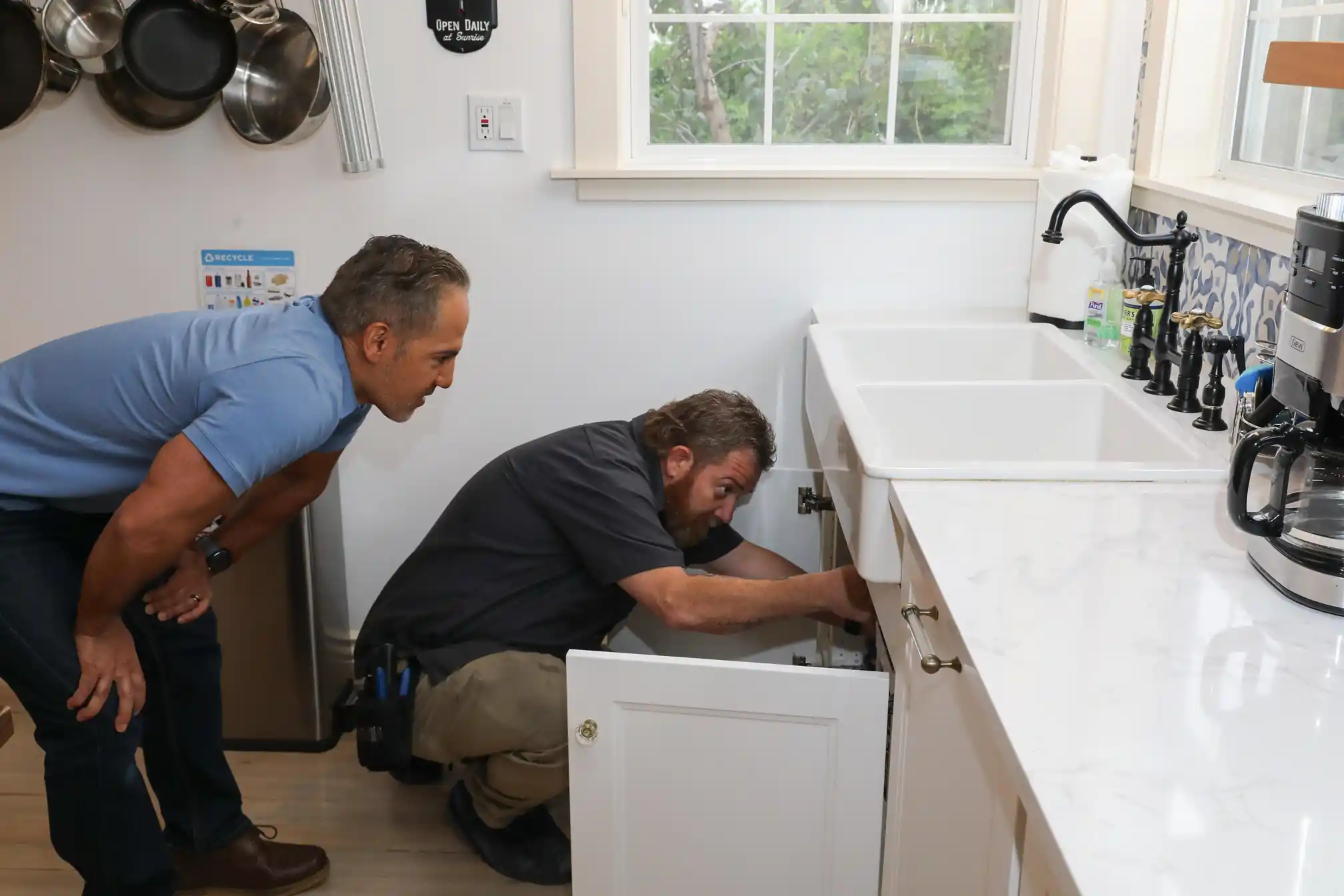
Plumber works under a kitchen sink in a modern home, performing focused repair or maintenance activities.

Garbage Disposal Do’s & Don’ts: A Guide for Fort Collins Kitchens

After a busy day at the farmers’ market, you’re preparing dinner for your family. Like most homes in Northern Colorado, your home’s garbage disposal is a true workhorse. It handles all of your farmers’ market trips, family dinners, and holiday gatherings with ease. 

However, garbage disposals in Fort Collins must deal with unique local factors. Because of our notoriously hard water and winter cold snaps, garbage disposals experience additional strain. To care for your unit and prevent repairs, we’ve compiled some of the best garbage disposal tips in Fort Collins.

Quick Safety Note: Never put your hands or utensils down the drain if you have a garbage disposal. Before you troubleshoot problems, always turn off the unit at the wall switch and the circuit breaker. Even if you’re just trying the garbage disposal reset button or checking for a jam, the unit must be turned off and unplugged to ensure your safety.

The DOs: Proper Use & Everyday Care

As a part of your garbage disposal maintenance and care tips, remember to use the following best practices. 

DO Run Cold Water

Why It Matters: Fats, oils, and grease (FOG) can clog your plumbing system. By using cold water, you cause FOG items to solidify so that the garbage disposal’s blades can chop them up. When you use hot water, it melts FOG items, so they solidify farther down the drain line.

Action: Use cold water before, during, and for 15 seconds after you use your garbage disposal to clear your pipes completely.

DO Cut Scraps Into Small Pieces

Why It Matters: If you put scraps down the garbage disposal, cut them up first. Large scraps can overload the motor and lead to jams because the garbage disposal wasn’t made to pulverize scraps.

Action: Cut scraps into small pieces and feed them into the disposal gradually, especially rinds and fibrous veggies.

DO Clean It Regularly and Gently

Why It Matters: Over time, small food particles can build up and decay. This can cause performance problems and bad odors.

Action: Each month, clean the blades by grinding ice cubes in the disposal. Then, grind up small pieces of citrus peels for a fresh scent. Periodically, you can use baking soda and vinegar for a deeper clean. 

The DON’Ts: Common Mistakes To Avoid

To keep your unit working its best, remember the following top garbage disposal tips in Fort Collins.

DON’T Pour Fats, Oils, or Grease (FOG) Down the Drain

Why It Matters: Never pour FOG items down your drain. This is the number one reason why people call for garbage disposal repair in Fort Collins. FOG items stick to the inside of your pipes and eventually cause total blockages.

Action: When it comes to preventing garbage disposal clogs, it’s important to never pour grease down your sink. Pour it into a disposable jar or can. Once it has cooled, you can throw the jar away.

DON’T Add Fibrous or Starchy Foods

Why It Matters: You shouldn’t throw stringy, fibrous items down your drain because they can wrap around the blades and jam the motor. Meanwhile, rice, potato peels, and other starchy foods can expand and create a pasta-like sludge.

Action: Instead of throwing fibrous veggies and starchy food in your drain, compost them or toss them in the trash. Besides protecting your plumbing system, Larimer County’s composting rules and green bin initiatives also recommend composting as much as possible.

DON’T Use Hard Materials or Harsh Chemicals

Why It Matters: Hard items, like fruit pits, nutshells, and bones, can damage the blades. Similarly, chemical drain cleaners can corrode your disposal and pipes.

Action: When it comes to eco-friendly kitchen tips, it’s a good idea to avoid harsh chemical drain cleaners. Instead, troubleshoot the clog or call our team for experienced Northern Colorado plumbing services. 

Why Fort Collins Kitchens Are Prone to Disposal Problems

Garbage disposal problems can happen in any home, but there are specific issues that are more likely to occur along the Front Range. For example, the area’s hard water and garbage disposals aren’t a good mix. Over time, the hard water causes corrosion and foul odors. 

Besides the local water quality, Northern Colorado’s winter freezes and cold snaps can also be an issue. When cold weather arrives, grease solidifies faster in pipes and causes clogs. 

Although our local composting initiatives are positive for the environment, they can cause problems for residents. Some homeowners aren’t sure which items are compostable and which items to put down the disposal, which opens the door to potential mistakes. 

DIY Checks You Can Safely Try

Whether you want to learn how to fix a jammed garbage disposal or need to deal with a garbage disposal leaking under the sink, the following are some of the most important tips for keeping your garbage disposal in working order.

  • Find the reset button under the unit and use it if your unit isn’t working.
  • A hex key (Allen wrench) slot is on the bottom of the unit. It can help you manually dislodge jams, but you need to turn the power off first.
  • A cleaning cycle with ice and citrus peels can reduce odors.
  • Never put your hands down the drain, even if you’ve turned the power off.
  • Don’t run the disposal if there is a loud humming or grinding noise.
  • Never ignore persistent leaks because they can cause major water damage underneath your sink.

When To Call a Professional

Some problems, such as foul odors, can be handled on your own. However, you need to reach out to Balance Point Heating, Cooling & Plumbing for plumbing repair in Fort Collins if you are currently experiencing the following situations.

  • Your garbage disposal keeps jamming.
  • The unit won’t turn on after being reset.
  • A persistent leak won’t go away.

From showing you how to clean a garbage disposal to diagnosing a failing motor, we can handle all of your garbage disposal repairs. We can also clear clogged drain lines, so your minor issue doesn’t become a major kitchen disaster.

Prevent It: Good Habits & Professional Help

To prevent garbage disposal repair, it pays to be proactive. Proper daily use, such as not putting hard items down the disposal, will protect your unit. When problems do happen, it’s essential to call for plumbing help right away to ensure a well-maintained disposal and peace of mind.

Learn How To Care for Your Garbage Disposal in Fort Collins

From learning what not to put in a garbage disposal to addressing winter plumbing problems in Fort Collins, the right care can protect your unit. Our team understands what local buildings need, from older kitchens in Old Town to rentals near the CSU area to restaurants in the Harmony Corridor. By using the best garbage disposal tips in Fort Collins, you can ensure your disposal works as smoothly as possible.

Schedule fast, reliable plumbing services by giving us a call today!

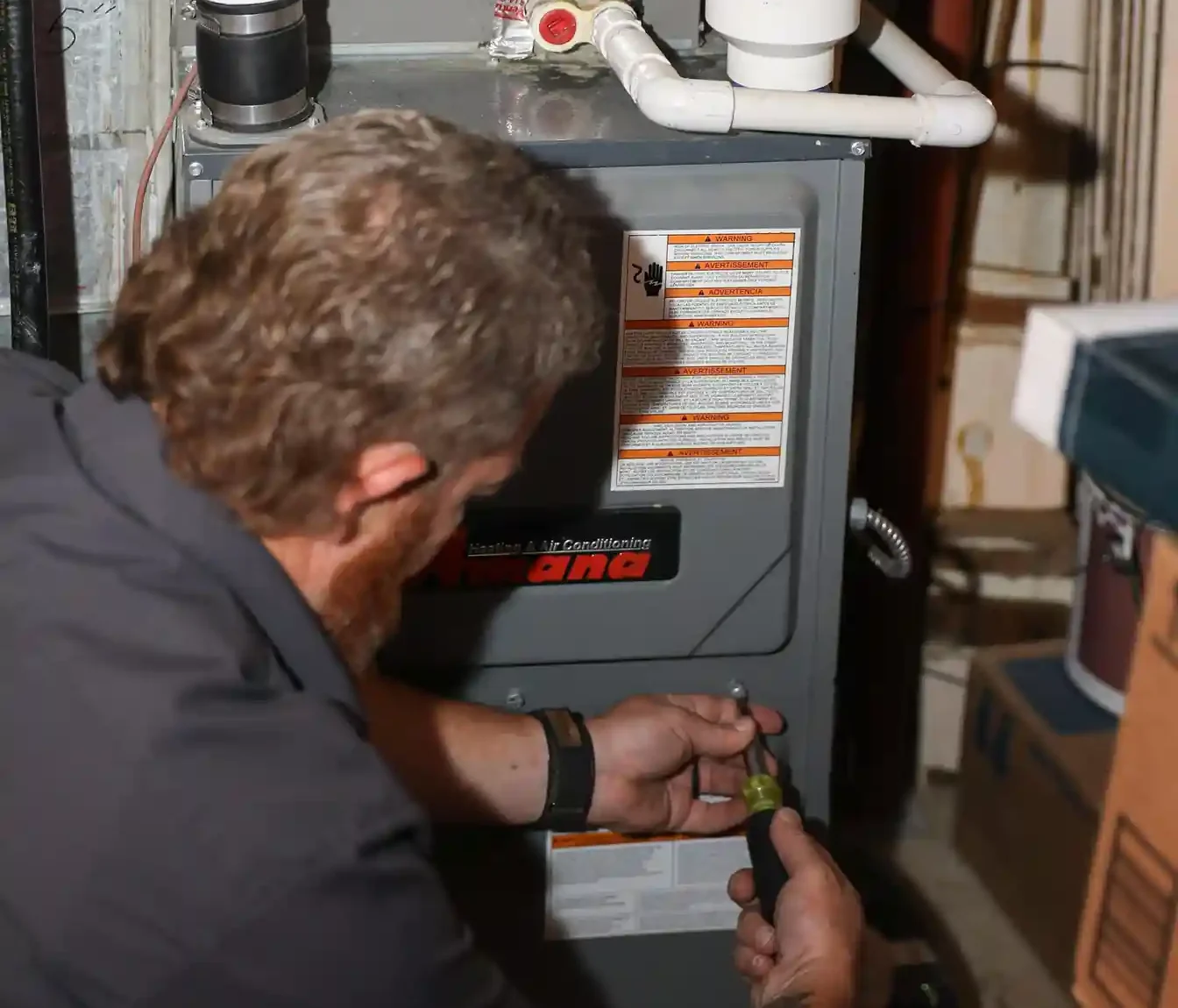
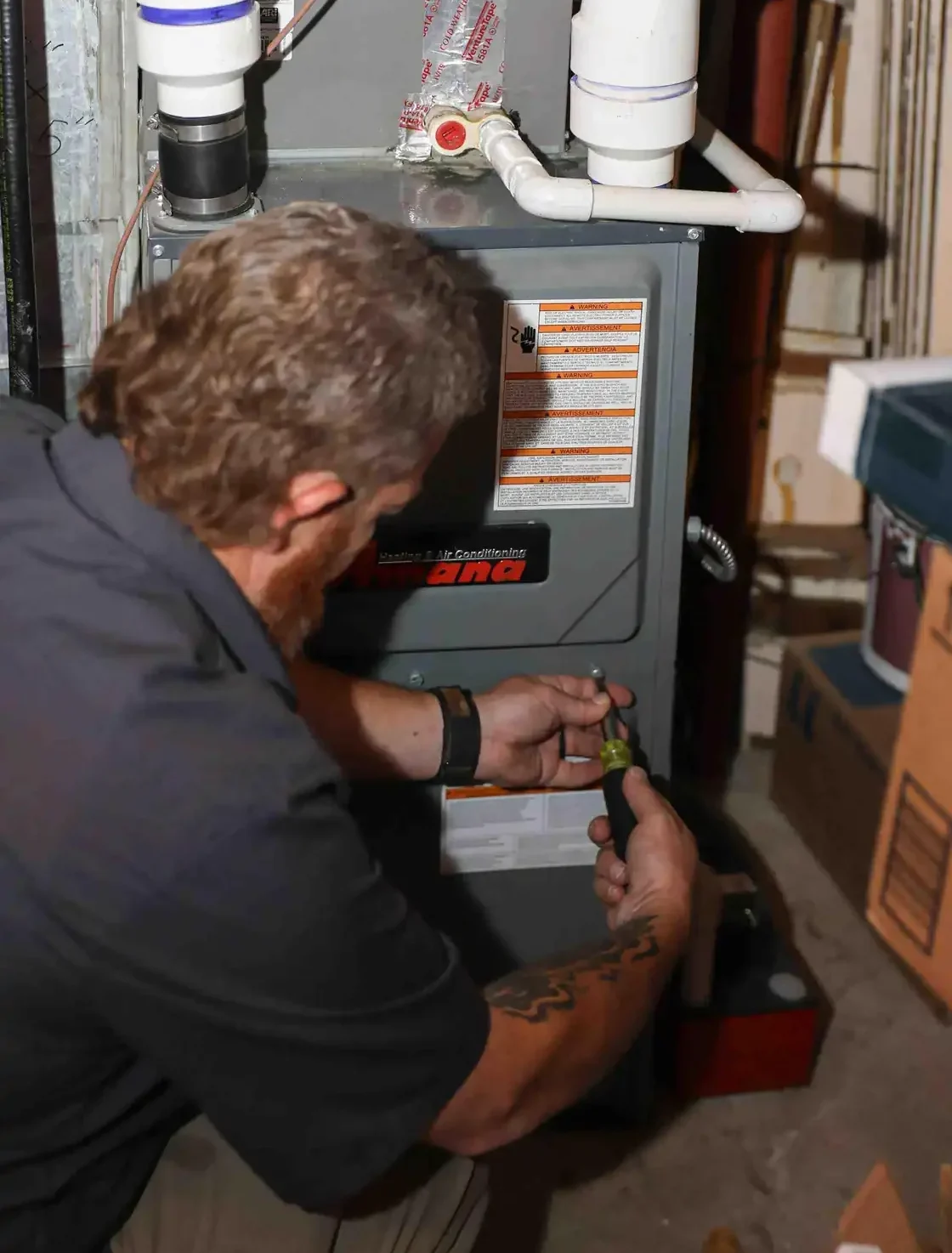
Technician performs routine maintenance on an Amana furnace, inspecting components using a screwdriver in a utility room.

Noisy Furnace? What Those Bumps, Rattles & Squeals Really Mean

When winter cold snaps occur along the Front Range, a reliable furnace is not a luxury. Nobody wants to leave their family shivering on subzero nights. 

After a long snow and ice season, furnaces can start to show signs of wear. Often, the first sign of a problem will be a furnace making a noise it did not make last year.

To help you navigate winter weather with ease, we have compiled a list of the most common bumps, rattles, and squeals. This guide covers when you can remedy the issue and when you need professional care. When in doubt, don’t hesitate to call Balance Point Heating, Cooling & Plumbing for emergency help.

A Quick Safety Note: If you smell gas or the odor of rotten eggs, see smoke, or hear a loud popping noise, shut off your furnace immediately at the thermostat. Then, turn it off at the breaker panel as well. Then, immediately call for emergency services. In the case of gas odors, you should also evacuate the premises and call your gas company or emergency services to shut off your gas lines until the leak is found.

What That Noise Likely Means 

Before a furnace completely breaks down, it will normally show signs of a potential problem. The useful part is that the noise itself tells you how urgent the problem is. Some sounds are normal, some can wait for the next available appointment, and a few mean the furnace should be shut off before you finish reading. The sections below sort them.

Banging/Booming on Startup

Possible Causes: A furnace banging noise can occur if gas is building up before it ignites. This basically causes a miniature explosion. This problem may also be due to dirty furnace burners or your ductwork expanding as it heats up.

Action: Although some furnace duct noises are bound to happen, you should never hear a loud bang. If the underlying cause is the burners or a delayed ignition, you need professional furnace repairs to keep the heat exchanger from being harmed.

Rattling/Vibrating

Possible Causes: A furnace rattling sound can happen if the blower wheel is not balanced or the access panel has become loose. It can also occur due to debris in your ductwork or a faulty motor mount. 

Action: To troubleshoot some of these causes, start by making sure every access panel has been fastened securely. If this does not solve the problem, you will need to reach out for professional HVAC repair in Fort Collins. Left untreated, the ongoing vibrations can cause significant harm to your HVAC system, so schedule a repair appointment right away. 

Squealing/Screeching

Possible Causes: If you have a furnace squealing noise, the likely cause is a metal-on-metal problem. For example, you may have faulty motor bearings or a worn blower belt. 

Action: If your furnace is making noise, don’t ignore it. Squealing and screeching sounds are serious issues, and your furnace can seize if you keep using it. Shut off your furnace and immediately call for an emergency furnace repair. 

Humming/Grinding

Possible Causes: The sound of a furnace humming indicates that the motor is struggling to start. Alternatively, you may have a failed capacitor. If you hear a grinding noise, the motor bearings may need to be replaced. 

Action: Listen to the sound to see whether it seems like your furnace’s normal, operational hum or a louder hum. Call for help if there is a loud, aggressive hum. Grinding noises mean your furnace is about to fail, so you need a professional furnace replacement or repair.  

Whistling

Possible Causes: You might notice a furnace noise when running that sounds like whistling. This sound typically stems from an airflow problem, such as blocked vents, clogged air filters, or leaky ductwork.

Action: Larimer County homeowners can often fix this issue on their own by replacing air filters and opening vents. Our guide to how often to change an air filter covers what shortens that interval here. If this does not solve the problem, you may need to schedule a duct sealing appointment. 

Clicking/Popping

Possible Causes: A couple of clicking noises are normal when your furnace starts up, and the metal expands or contracts. Continuous clicking means the system is not lighting properly, so your sensor or ignitor may be faulty.

Action: Listen to the noise to see if it is ongoing or not. For repeated clicking, schedule a furnace tune-up and inspection. 

Why Fort Collins Homes Are Prone to Furnace Noise

In Northern Colorado, the high-elevation dryness and dusty climate mean filters often clog faster. This starves your HVAC system of air and can increase the likelihood of unusual noises happening. At the same time, the frequent freeze-thaw cycles create added stress on the furnace’s components and ductwork.

Each home type requires different care and is prone to different noises. In our area, we have older homes near Old Town that have aging duct systems, making popping noises more common. Meanwhile, the new builds in the Timnath/Windsor corridor are so new that they may still have construction debris inside the vents. This debris can cause rattling noises.

No matter what type of home or neighborhood you live in, we understand the kind of furnace maintenance Fort Collins residents need. We know when a furnace blower noise indicates a faulty blower motor or a poorly balanced wheel. For help with furnace repairs and maintenance, reach out to our licensed HVAC technicians today.

DIY Checks You Can Safely Try

A few basic checks will tell you whether you have a simple airflow problem or something that needs a technician, and none of them require opening the furnace. Running through them before you call means the conversation starts with real information. They also rule out the easy explanations, which is worth doing before anyone quotes you.

  • Change or replace your air filter.
  • Make sure your vents and registers are open and are not blocked by furniture.
  • Securely fasten access panels so that they do not make any noise.
  • Clear away leaves, debris, and snow around your intake and exhaust pipes.
  • Never open the furnace cabinet to fix internal components on your own.
  • Never keep running a furnace that makes a loud grinding or screeching noise.

When to Call a Professional

A loud furnace at startup, grinding noises, and squealing sounds are all signs that you need to immediately schedule furnace repairs. Rattling panels can typically wait for the next available appointment. By reaching out to Balance Point Heating, Cooling & Plumbing for a furnace inspection and repairs, you can prevent a small noise from causing a catastrophic mid-winter breakdown.

To prevent future noises, remember to schedule an annual fall tune-up. During the tune-up, we can clean burners, tighten components, lubricate motors, inspect the blower assembly, and prevent furnace noises from happening. Going into a Northern Colorado winter knowing the system has been checked is worth a good deal of peace of mind. Through our convenient membership plan, you can take advantage of complimentary tune-ups as well as exclusive promotions.

Frequently Asked Questions

What furnace noises are normal?

A short click at startup and shutdown, a quiet steady hum while the burner runs, and occasional ticking or popping as ductwork expands and contracts. Anything loud, new, or metallic is worth investigating.

Is it normal for a furnace to make a booming noise?

No. A boom or loud bang at startup usually means gas has pooled before igniting, and repeated delayed ignition can damage the heat exchanger. It needs a technician rather than monitoring.

Why is my furnace loud when it starts up?

Startup is the noisiest part of the cycle, so some sound is expected as the ignitor fires and the blower spins up. What matters is whether the sound is new. A startup noise that has changed since last season is usually the first sign of a developing fault.

Can I keep running a furnace that is making noise?

It depends on the noise. Rattling panels and mild duct popping can wait. Grinding, screeching, or squealing means shutting the furnace off, because those sounds indicate metal-on-metal contact that can seize the motor. Any burning smell or gas odor means shutting it off and calling immediately.

Why is my furnace louder this winter than last?

Components loosen, bearings wear, and filters clog faster in the dry, dusty air here than manufacturer intervals assume. A furnace that has gained a new sound over the summer is usually telling you the fall tune-up is overdue.

Get Reliable Help With Unusual Furnace Sounds

When your furnace is making noise, it’s trying to tell you something. Furnaces rarely break down without prior warning. By responding to unusual furnace sounds, you can avoid a total furnace failure during Northern Colorado’s cold winter nights.

Looking for a heating repair near you? We can help. Balance Point Heating, Cooling & Plumbing’s team of HVAC experts is available for timely maintenance and emergency repairs. Call today for fast, reliable services in Fort Collins and surrounding areas.

In summer, the same diagnostic logic applies to cooling equipment. Our guide to what a loud air conditioner is telling you covers the warm-season equivalent.

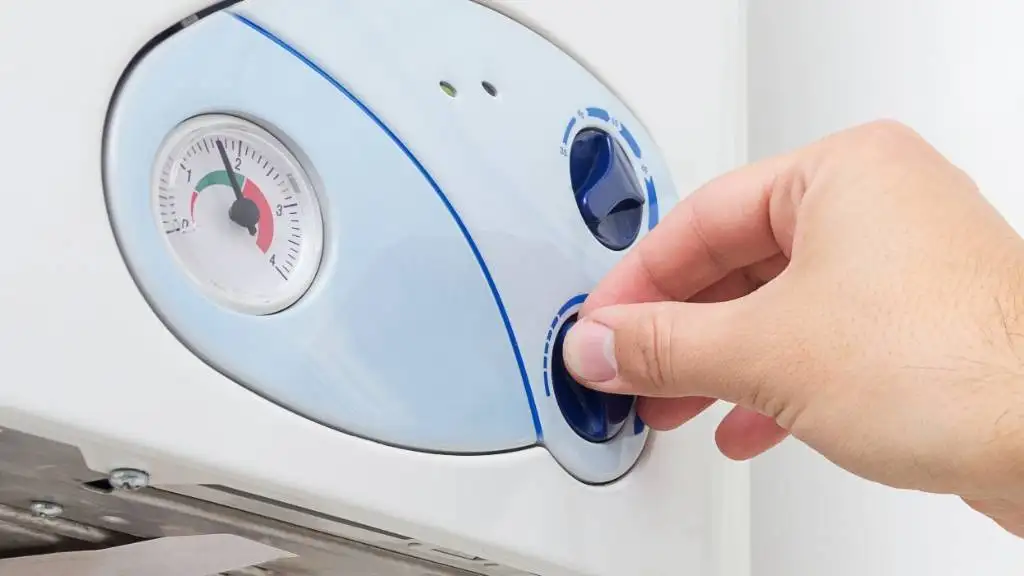
Person adjusting control knob on a wall-mounted water heater.

Why Is My Hot Water Heater Leaking? Causes & What To Do Next

It’s the middle of the night, and you’re awake looking for a midnight snack. Right as you open the fridge, you notice that there’s a puddle of water leaking out from the water heater closet. Rather than counting sheep, you now have an inconvenient mess to clean up and a complex problem to diagnose. 

When you have a hot water heater leaking, it’s more than just an inconvenience. Water damage can be costly to repair. At the very least, the wasted water means you’re paying more in energy and water bills than you need to. Additionally, the leak can lead to serious burns, electric shock, and even explosions. 

As a homeowner, it’s essential to figure out the water heater leak causes so that you can determine the best course of action. When in doubt, our experienced plumbers are always available for 24/7 repairs and water heater maintenance.

Common Causes of a Leaking Water Heater

As a homeowner, there are a few common water heater leak causes you should watch out for. If you are struggling to diagnose the issue with your water heater, reach out to Balance Point Heating, Cooling & Plumbing for 24/7 emergency repairs and support. 

Loose or Faulty Connections (Top Leaks)

To diagnose the cause of your water leak, you first have to figure out where it is coming from. If the leak appears to be happening on the top of your water heater, it is likely from the inlet and outlet pipe fittings. The most frequent source of the issue is normally the cold water inlet and outlet nipples. 

Over time, these fittings can become loose or corroded. In most cases, you can stop the leak by just tightening these loose connections. 

Faulty Drain Valve (Bottom Leaks)

When leaks occur toward the bottom of your water heater, the cause is likely related to the drain valve. If the drain valve is loose or damaged, it may drip or leak. 

This issue can generally be repaired by tightening the drain valve. If that doesn’t do the trick, the valve may need to be replaced.

T&P (Temperature & Pressure Relief) Valve Issues (Side or Top)

Another common reason for a hot water heater leaking is the T&P valve. If this is the cause, you’ll notice the leak near the side or top. 

Over time, the safety valve can become worn because of the excessive pressure and normal usage. If this is the cause, it needs to be tested and replaced.

Corroded or Damaged Tank

Time and sediment buildup are two factors that can lead to tank corrosion. If your leak is due to tank corrosion or damage, you’ll generally need to replace the entire unit.

High Water Pressure

Water may seem gentle, but high-pressure water is an incredibly destructive force. Excess water pressure increases stress on the water heater’s tank and valves. Eventually, this can cause leaks to develop.

We recommend setting your water pressure to around 45 to 60 psi. If you try to set it higher than this, it can cause damage and may require a pressure-reducing valve. 

Sediment Buildup & Anode Rod Wear

When sediment builds up in your water heater, it acts like an insulating layer. This can lead to your tank overheating and the development of rust. If the anode rod has also become worn, the corrosion may occur at a faster rate. 

Condensation (Not Always a Leak)

It’s important to note that the presence of moisture isn’t always a sign of a hot water heater leaking. In some cases, water heaters have moisture because of condensation. This is more likely if your indoor air temperature is especially humid and warm. You can try adjusting the water heater’s thermostat to see if this is the cause. If your home is frequently humid, you may want to try installing a dehumidifier. 

Identifying the Leak Source

To determine the underlying cause of your leak and how to repair it, you first have to identify the location where the leak is occurring. Depending on the location, there are different possible causes behind the water heater leak.

  • Top: When the leak occurs from the top of the unit, it is likely due to the valves or pipe connections.
  • Side: A leak on the side of the water heater is more likely to be due to the T&P valve.
  • Bottom: If the leak is happening on the bottom of the water heater, it is more likely to be from tank corrosion or the drain valve.

Besides looking at the location of the leak, there are also other symptoms you should look out for. Sudden increases in your water bill could indicate a leak. You should also call for professional repairs if you notice puddles, rust-colored water, or unusual noises.

Immediate Steps To Take

If you notice signs of a water leak, there are a few immediate steps you need to take to protect your home.

  • Turn off the power. For electric water heaters, this is done at the breaker. With a gas water heater, you need to turn off the gas at the gas valve.
  • Shut off the cold water supply. 
  • Use a hose to drain the tank. If needed, you can place a bucket to catch water.
  • Because the water can scald you, it’s important to wear gloves and take safety precautions.
  • Before doing anything else, you need to verify if the leak is urgent or potentially dangerous. If it is, you need to call one of our professional plumbers right away. 

DIY Fixes You Can Try

To repair your water heater, you can try using the following DIY fixes.

Tightening Loose Connections 

First, try using a simple wrench to tighten loose connections. Be careful not to overtighten or damage the water heater.

Replacing the Drain or T&P Valve

To replace the drain or T&P valve, first shut off the power, gas, and cold water supply line. Then, drain the tank completely. The old valve can be removed with a wrench. Afterward, the new valve can be attached after the sealant is added to the threads. Once everything is put back together and turned on again, it’s important to test the tank to make sure it’s working properly.

Flushing the Tank 

To care for your tank, you should flush it at least once a year. This prevents sediment buildup, corrosion, and internal stress.

Installing a Pressure-Reducing Valve 

Sometimes, leaks occur when the pressure is too high in the tank. In these instances, it’s a good idea to install a pressure-reducing valve.

Replacing the Anode Rod 

Anode rods are essential for protecting against corrosion. If your tank is older, it may be time to get the anode rod replaced.

When To Call a Professional

If you are experiencing any of the following situations, you shouldn’t try to repair your water heater on your own. Instead, reach out to one of Balance Point’s plumbers as soon as you notice any of the following problems.

  • Gas connections are involved.
  • You’re unsure how to do the repairs.
  • The leak is from the tank itself due to corrosion or is especially large.
  • You’re unable to locate the source or stop the leak.
  • The water heater is older than 10 years and is reaching the end of its lifespan.
  • You need to get a professional to decide if it should be repaired or replaced.

Preventative Maintenance Tips

Once you’ve repaired the water heater leak, the next step is preventing future repair issues. The following water heater maintenance tips should be performed throughout the year. 

  • Annual Flush: To remove sediment and prevent unnecessary wear, you should make sure the water heater is flushed at least once per year. Older units or units in areas with hard water should be flushed more frequently.
  • Inspect Valves: Throughout the year, check the T&P and drain valve to make sure they are tightened and not leaking. 
  • Monitor Water Pressure: You can protect your water heater by making sure the pressure is set to 45 to 60 psi. If the water pressure is set too high, it can end up damaging the water heater.
  • Replace Anode Rod: The anode rod is sacrificial, so it is designed to be sacrificed to save the tank from corrosion. As a result, the anode rod should be replaced every three to five years.
  • Schedule Annual Professional Check-Ups: To keep your plumbing system functioning at its best, it’s essential to schedule routine inspections. One of our plumbers can quickly inspect the water heater and diagnose any potential problems.

In general, a tank water heater should last around 6 to 12 years. Tankless water heaters can last over 20 years. By performing preventative maintenance and scheduling regular check-ups, you can get the most out of your water heater’s lifespan.

FAQs About Hot Water Heater Leaks

At Balance Point, we’ve fielded a number of common questions related to a hot water heater leaking. The following are just a few of the ones that we hear the most.

Can I still use a leaking water heater?

No. You never want to continue using a water heater that is leaking. Leaks can quickly escalate. If you continue to use your water heater, you risk major safety issues as well as damage to your home. 

Continuing to use a leaking water heater can result in the following issues.

  • Costly water damage to your home
  • Burns from touching the hot water
  • Gas leaks and explosions
  • Electrocution or electric shocks
  • Additional damage to your water heater and more expensive repairs

How often should I flush my water heater?

We recommend flushing your water heater once per year. If you have an older unit or live somewhere that has hard water, the tank needs to be flushed more frequently. 

When water heater tanks aren’t flushed regularly, sediment can build up in the tank. Normally, the anode rod functions to attract this sediment so that other components aren’t harmed. Eventually, the anode rod can become so corroded that it is unable to function properly anymore, necessitating its replacement. 

If you don’t flush the tank, it can not only damage your water heater but also cause higher energy bills. Sediment builds up above the heating elements and functions like an insulator, forcing it to work harder to warm the water.

What pressure is safe for my water heater?

To ensure the safety of your water heater, you should set it to between 45 and 60 psi. While higher water pressure might be enjoyable for showers, it increases the likelihood of leaks and damage. 

You can adjust the water heater’s pressure by turning off the power and cold water supply. Then, change the pressure regulator valve so that it is at the appropriate setting. Once the pressure regulator is at the right level, you can turn the power and water supply back on.

How long do water heaters last?

Your water heater should last around 8 to 12 years if it is cared for properly. We recommend getting your water heater replaced once it starts to leak or is past 12 years old. As it gets closer to the end of its lifespan, you should also get more frequent water heater maintenance to help it maintain its optimal condition.

Is that moisture always a leak?

While seeing moisture near your water heater tank can be a cause for panic, it doesn’t always mean that you have an actual leak. Sometimes, condensation occurs around the tank. Anytime humid air meets a cold surface, it can cause condensation. Often, this condensation happens after the tank has been refilled with cold water. 

To see if condensation is the issue, try checking the water heater after it has had a chance to heat the water up again. If the moisture is always present, you may have a leak and not condensation.

Schedule Your Water Heater Repair Services

Struggling to deal with your hot water heater leaking? Contact Balance Point Heating, Cooling & Plumbing today for fast, expert service. From diagnosing water heater leak causes to tank replacement services, we can solve all of your water heater issues. 

Keep your hot water flowing safely and efficiently by scheduling your inspection now!

HVAC technician installing a furnace system in the basement of a residential house in Fort Collins.

Pre‑Winter Furnace Tune‑Up Checklist for Fort Collins Homes

In Colorado, winters tend to arrive early and be fairly harsh. As a homeowner, you can’t afford to have a non-operational furnace when the first snowstorm arrives.

By completing a pre-winter tune-up checklist in Fort Collins, you can prevent your furnace from breaking down on one of the coldest days of the year. Besides avoiding potential repairs, your maintenance efforts can result in lower energy bills and safer air quality for your family. 

This list of furnace maintenance in Fort Collins covers all of the important DIY steps you can take as a homeowner. For professional furnace maintenance & tune‑ups, reach out to Balance Point Heating, Cooling & Plumbing for expert assistance. 

Why a Pre-Winter Tune-Up Matters in Fort Collins

By completing your pre-winter furnace tune-up checklist in Fort Collins, you can ensure your system is functioning properly. Colorado often experiences harsh cold snaps that can strain heating, ventilation, and air conditioning (HVAC) systems. Through your pre-winter furnace maintenance in Fort Collins, you can avoid unnecessary wear, extend your furnace’s lifespan, and boost your efficiency. Additionally, furnace maintenance is often a requirement to maintain your warranty.

More importantly, furnace tune-ups are a necessity for keeping your furnace in optimal working order. A well-maintained furnace is less likely to experience carbon monoxide leaks and other safety-related problems. 

Step-by-Step DIY Furnace Tune-Up Tasks 

To make furnace maintenance in Fort Collins as easy as possible, we’ve compiled a list of DIY furnace tasks homeowners can do. For more extensive HVAC maintenance or furnace repairs, give our experienced technicians a call.

Safety First: Power Off & Safety Checks

Before you tackle any type of furnace maintenance, you should turn off electricity and gas. Then, check your carbon monoxide and smoke detectors using the test buttons on the devices. Ideally, you should replace the batteries every six months to ensure they are functioning properly.

Replace or Clean the Air Filter

Replacing a dirty filter with a clean one can boost energy efficiency by as much as 15%. Dirty filters force the furnace to work harder to reach the same temperature. Besides causing unnecessary wear, this also increases your energy costs. 

A clean filter improves your energy efficiency and boosts your indoor air quality. You should replace your filter at least every three months. During heavy use, it should be changed more frequently.

Inspect the Thermostat

Next, you should see if your thermostat is working properly. To test it, turn on the heating mode. Raise the temperature so that it is higher than your home’s current air temperature. If the thermostat is functioning properly, you should hear the furnace turning on. 

If the thermostat isn’t working properly, you can troubleshoot by replacing the batteries. You can also reset the thermostat or schedule an HVAC appointment if the problem persists.

Clean Burners, Flame Sensor, & Combustion Chamber

To clean the burners, flame sensor, and combustion chamber, you need to start by switching off the power supply and turning the gas valve perpendicular to stop the gas supply from flowing. You should also wait several minutes to ensure any residual gas has dissipated. Then, give the components 30 minutes to reach room temperature.

Next, you need to open the panels and extract the burners. You can then remove soot and clean the burners. With a vacuum, clean the burner ports. Gently clean the flame sensors before reassembling everything. If you see any signs of corrosion or damage, call Balance Point Heating, Cooling & Plumbing for repairs right away.

Whenever you are dealing with burners, flame sensors, and the interior of the furnace, there is some level of risk involved. Because of this, we generally recommend leaving this task to the experts. 

Lubricate Blower & Motor (Where Applicable)

To ensure your furnace is operating at its best, it’s important to lubricate the oil bearings and motor shaft. By lubricating moving parts, you can reduce friction and wear. Over time, this can help prevent repairs and replacements. If you aren’t mechanically inclined, this is another task you can leave to the experts.

Inspect Vents, Flue, Heat Exchanger, & Ductwork

As part of your pre-winter furnace tune-up checklist in Fort Collins, you should also inspect your vents, flue, heat exchanger, and ductwork for signs of problems. There should be no obstructions blocking air flow. You should carefully clean the flue or venting’s outdoor openings.

If there are any leaks in your ductwork, our HVAC technicians have high-tech tools that can diagnose where the leak is occurring. Then, we can quickly repair the source of the problem. Leaky ducts can add hundreds of dollars to your energy bills each year, which is why diagnosing and repairing this issue is so essential.

Reverse Ceiling Fans & Seal Drafts (Bonus Home Comfort Tweaks)

Many homeowners who have ceiling fans forget this important step. During the winter, your ceiling fan has to change direction so that it redistributes warm air. Turn off the ceiling fan and switch it to a clockwise rotation at a low speed. 

For added comfort and energy efficiency, seal gaps around your windows and doors. As a rule, any drafts you feel are a sign of an air leak that needs to be sealed up.

Test Safety Controls, Ignition & Observe a Full Cycle

While your furnace is running, listen to the sound it makes. It should sound smooth and even. Additionally, you should also pay attention to how it cycles and its flame quality. For instance, a yellow or flickering flame indicates incomplete combustion. If you notice any unusual noises, flickering, or odd flame colors, you need to schedule a professional furnace inspection. 

Clean Cabinet & Perimeter

Finally, you need to remove dust that has built up around the furnace. This helps to maintain the unit’s airflow and energy efficiency. 

When To Schedule a Professional Tune-Up 

While this furnace checklist is fairly extensive, some of the tasks on it are more technical than others. As a general rule, you should never perform a furnace maintenance task that you are uncomfortable with. You can always reach out to our team of HVAC experts for professional help with maintaining your system. 

Our Fort Collins HVAC technicians offer multi-point inspections and high-quality results. In general, we recommend that you leave the following tasks to us. 

  • Heat exchanger inspections
  • Carbon monoxide testing
  • Performance diagnostics 
  • Gas pressure checks
  • Electrical connection examinations
  • Gas connection and valve inspections

When in doubt, always leave it to the experts. If you try to perform DIY repairs and maintenance, it can end up voiding your warranty. Additionally, DIY maintenance can result in costly mistakes and missed problems. Because of the electrical, mechanical, and gas components involved, there is also a very real safety risk involved in doing the work on your own.

At Balance Point Heating, Cooling & Plumbing, we offer a full range of furnace maintenance options in Fort Collins. We can handle all of the cleaning and maintenance tasks involved in keeping your furnace fully operational. 

To make your furnace maintenance a little easier to budget for, we offer a special membership plan that includes two complimentary tune-ups each year. Members also receive special discounts on repairs and priority services. 

Additional Pre-Winter Home Prep Tips 

Temperatures in Fort Collins can drop quickly, making a high-quality furnace even more important for local homeowners. Because of this, it’s essential to make sure your home is fully prepared for winter weather. Besides performing routine furnace maintenance throughout the year, we recommend carrying out the following tips to prepare your home. 

  • Seal Leaks: While many homeowners don’t realize it, hot air often leaks out around windows and doors. An easy way to stop this from happening is by using caulk around the edges of these areas. This prevents heat from escaping and reduces the furnace load. 
  • Insulate Your Home: You can decrease the amount you use your furnace by insulating your home properly. Good insulation prevents heat transfer, so your home stays warm for longer. A higher R-value signals a higher level of insulation.
  • Clean Gutters: By cleaning gutters, you can improve drainage and protect your HVAC infrastructure.
  • Replace Batteries: To make sure your carbon monoxide and smoke detectors are working properly, you should replace the batteries each fall. 
  • Test Detectors: Before the weather changes, don’t forget to test your home’s detectors to make sure they’re working properly. 
  • Clean Humidifiers: In the winter, indoor air can get especially dry. One way to mitigate this problem is with the installation of a humidifier. As part of your home maintenance, make sure your humidifier is clean and ready for winter.
  • Remove Debris: Periodically, you should check for any dirt and debris around your furnace. There should never be any flammable materials or debris in this area.

If you notice holes in your flue, unusual noises, or other signs of a problem, reach out to Balance Point Heating, Cooling & Plumbing for a thorough inspection. Our team can quickly diagnose the source of the problem so that your loved ones can stay warm and comfortable throughout the cold season.

FAQs About Furnace Tune-Up in Fort Collins

Over the years, we’ve encountered a few frequently asked questions from local homeowners in Fort Collins. 

How often should I get a professional tune‑up?

We strongly recommend getting your furnace tune-up in the fall before harsh winter weather arrives. In Fort Collins, fall tune-ups are standard because of how intense winter weather is.

In between tune-ups, you can support your furnace’s health and longevity by making sure to change the air filter. You can also vacuum any dust that gathers around the vents or in the furnace interior.

Can I still run the furnace without changing the filter?

Yes, you can technically run your furnace without changing the filter. However, we strongly urge against this. Over time, the filter will only become dirtier. A clogged filter forces the furnace to work harder to heat your home, increasing the amount of wear on the HVAC system. Eventually, this can cause more frequent repairs and breakdowns. 

Additionally, the added effort means that your furnace has to use more energy to heat your home, so you’ll pay more in energy costs. It can also negatively impact your air quality, which can lead to respiratory symptoms for allergy and asthma sufferers.

What if my thermostat doesn’t respond?

As part of your furnace maintenance in Fort Collins, it’s a good idea to check your thermostat to see if it is functioning properly. If the thermostat isn’t responding or your home’s temperature doesn’t respond to thermostat changes, you may be dealing with a thermostat failure or a wiring issue.

You can try troubleshooting by replacing the batteries, resetting the thermostat, or manually overriding the non-responsive thermostat. If nothing seems to make a difference, you need to call our local HVAC experts for help.

Are carbon monoxide checks necessary each year?

Absolutely! Your family’s safety relies on your carbon monoxide detectors. If a heat exchanger develops stress cracks or becomes corroded, it can end up leaking without any type of advance warning. Your carbon monoxide detector is the main thing keeping your family safe from gas leaks, so you need to be completely confident it’s in working order.

Most professionals actually recommend testing your carbon monoxide detector every month. You can test it by pressing the test button and seeing if it makes a noise. Your user manual will also tell you what specific numbers of beeps mean. To keep your detector working, you should dust the unit. 

Ideally, you should replace the batteries once per year in most circumstances. If you have a sealed-lithium battery model, you only have to replace it every 7 to 10 years. The entire CO detector should be replaced every five to seven years.

How long does a professional tune-up take?

When we show up for your scheduled tune-up, we work quickly to clean, inspect, and test your HVAC system. Besides looking for potential problems, we’ll also conduct a full safety verification. In general, a professional tune-up takes us just 60 to 90 minutes to complete.

Prepare Your Fort Collins Home for Wintertime

Ready to winter-proof your Fort Collins home’s comfort and safety? You can get started with the help of your pre-winter furnace tune-up checklist in Fort Collins. Afterward, contact Balance Point Heating, Cooling & Plumbing today to schedule your professional furnace tune-up. With same-day service, upfront pricing, and a maintenance plan offering peace of mind, we’ll keep your furnace running smoothly and safely all season. 

Book now and stay cozy!