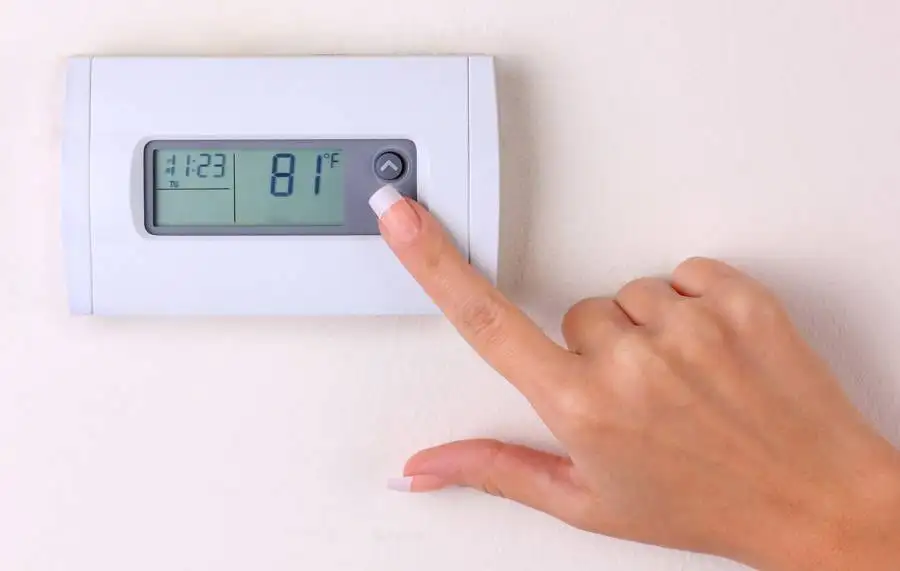
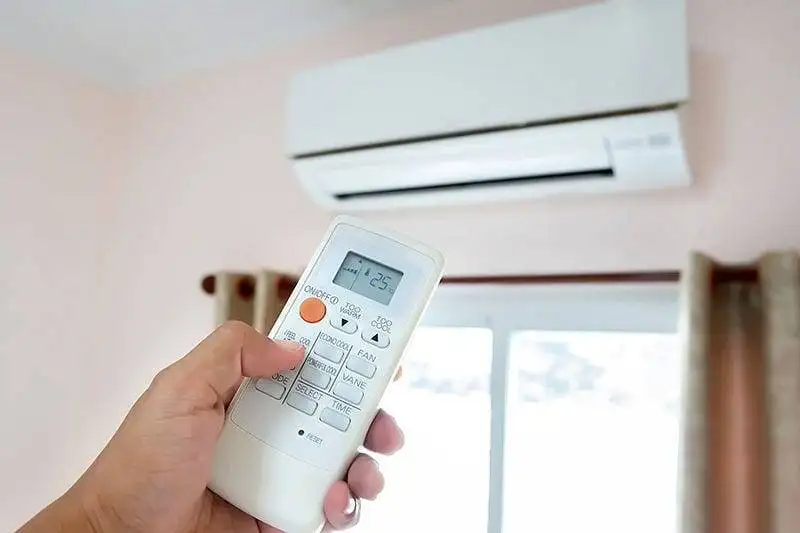
Looking to install a new heater in your Boulder home? Your two most popular choices are a heat pump and a furnace. Each one has advantages and disadvantages when compared to the other.
The What’s What
Here are some things to consider to help you in your decision-making process. And remember, you can always call one of our heating, ventilation, and air conditioning (HVAC) professionals at Balance Point for more clarity on this whole subject.
What About a Heat Pump?
The short version of how a heat pump works is that it transfers heat from inside to outside and then outside to inside. It works on the same philosophy as an air conditioner, it doesn’t create heat, it simply moves it around.
A heat pump is also an air conditioner, so essentially you get a two-for-one system. Here are its pros and cons.
Heat Pump Pros
Runs cleaner. A heat pump runs off electricity, so it’s a cleaner source of energy than gas or oil. It can create one-and-a-half to three times more energy than it uses.
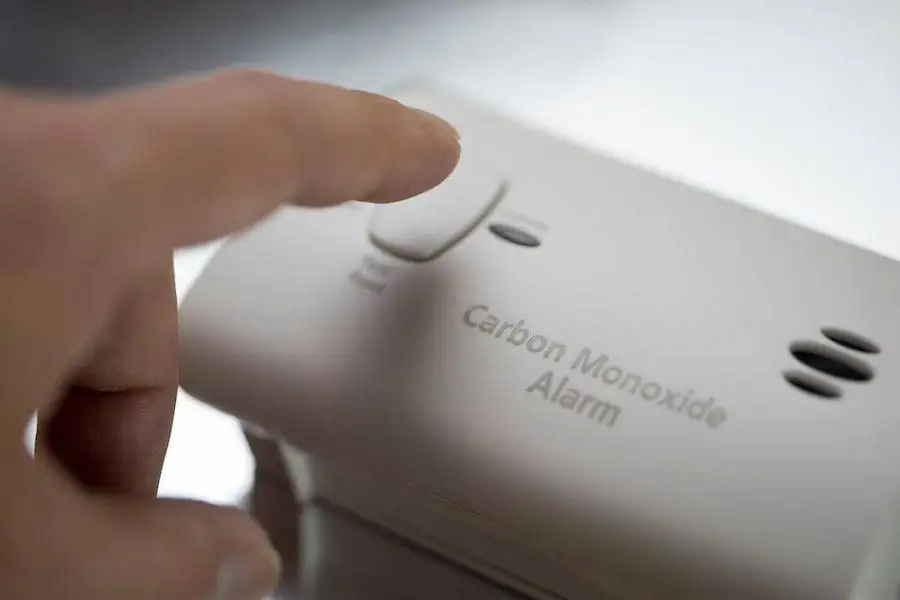
Can be safer. Because a heat pump runs on electricity, there’s no risk of carbon monoxide poisoning or gas explosions.
Can provide both heating and cooling. In other words, it is convenient and could be more cost effective in the right home. Moreover, there are no added components or elements. Just be sure to keep the heat pump well maintained, because the US Department of Energy (DOE) notes how this can result in a 10 to 25 percent difference in energy consumption as compared to a neglected one.
Heat Pump Cons
Is more expensive to run. Since a heat pump operates entirely on electricity, it can possibly cost you more to run, electricity is generally higher in price than gas or oil. Of course, all of this depends on the price of electricity and the efficiency of your heat pump.
Can sometimes only be used for heat in warmer climates. Some heat pump models only heat well in temperatures over 35 to 40 degrees Fahrenheit (making it an ideal choice for the southeastern coastal part of the United States or California). Otherwise, your Boulder home will need a supplementary heater, usually a furnace. This is known as a dual-fuel system.
Has a shorter life span. A heat pump has an average projected life span of 12 to 15 years, while a furnace has an average 15 to 20 year life span. A heat pump suffers more wear and tear as well, since it runs year round, as opposed to a furnace that typically runs only a few months a year.
What About a Furnace?
The short version of how a furnace works is that it uses a fossil fuel to create its own heat, and then its fan blows the heat to different areas of your home via ductwork. Here are its pros and cons.
Furnace Pros
Has a longer life span. Running only a few months of the year, a furnace’s life span is greater than a heat pump’s. Most furnaces nowadays can last 15 to 20 years.
Requires less maintenance. Since a furnace is utilized only part of the year, the wear and tear is less, resulting in fewer repairs with proper annual maintenance by a professional, like one of our Balance Point Heating, Cooling & Plumbing HVAC experts.
Can be used in homes everywhere. A furnace can be installed in any climate, regardless of the temperatures, including your Colorado home.
Furnace Cons
Can’t cool air. Since a furnace can only heat air, unlike a heat pump, you would need to make an additional investment in an air conditioner.
Not as safe. Any time gas or oil involved, there is an inherent safety risk of fire or an explosion, no matter how minimal the risk. And with gas, a carbon monoxide leak is possible.
Not as environmentally friendly to run. Gas and oil don’t burn as efficiently as electricity. Their burning produces toxic gases released into the environment.
What It All Comes Down To
As far as which is a better choice, you should take into account several important factors, such as your Boulder area’s climate, the energy rates for electricity and gas, how environmentally friendly the energy source would be, and go from there. If you have more concerns regarding furnaces or heat pumps, don’t hesitate to contact our highly trained and knowledgeable Balance Point team.
We Are Your Furnace and Heat Pump Experts
Balance Point Heating, Cooling & Plumbing is a team of fully licensed professionals. For any questions or to schedule service, call us or request service online today. We service Boulder, CO, and its surrounds, offering furnace and heat pump expertise, along with installation and replacement, repairs, maintenance, and more.
Ice on a frozen air conditioner will usually melt on its own within 24 hours after you switch the system off. The cause will not. A coil freezes because something upstream is wrong, most often airflow, and that fault is still there when the ice is gone. Left alone, the system freezes again, and each cycle puts more strain on the compressor.
So the honest answer to the headline question is yes and no. The symptom clears itself. The problem does not. Below is what to do while the unit thaws, what caused it, and when to call Balance Point Heating, Cooling & Plumbing rather than working through it yourself.
One thing not to do, before anything else: do not chip, scrape, or melt the ice off. The fins underneath are thin and sharp, and forcing the ice off is the quickest way to turn a service call into a coil replacement.
Air conditioners may occasionally freeze due to overuse, faulty parts, or other issues. While some of these problems are easy to manage on your own, a frozen AC can also result in major issues with the unit. If this is the case, you need the best air conditioner repair Fort Collins offers.
What to Do When Your AC Freezes
If your air conditioner freezes, there are a few steps you can take to troubleshoot the problem. Work through them in order, because each one either fixes the problem or rules out a cause before the next visit.
Turn off your air conditioner because continuing to use the AC will only worsen the situation. You can switch the AC to fan mode so that the airflow can help thaw the ice.
Wait for the ice to thaw. Never try removing the ice yourself because doing so could hurt you or the air conditioner.
Clean up any water. Check the drain pan to make sure it is not full of water. If it is, drain it. A thawing coil is also one of the more common reasons for water leaking inside the house, so if you are finding water away from the unit, that post covers the other causes.
Once the AC has thawed completely, check the air filter for dirt or dust. If it is necessary, replace the filter with a clean one. Blocked airflow is a major cause of frozen air conditioners, so it’s important to always have a clean filter.
Try turning the AC on again. Give it a normal setpoint rather than the lowest one available, and see whether it holds temperature without icing up again.
If you continue having issues with your air conditioner, our air conditioning repair team can help. Sometimes, frozen ACs are caused by faulty evaporator coils, low refrigerant, and malfunctioning blower fans. All these issues need to be repaired by a professional.
In the future, remember to schedule an AC tune-up each year. One of our HVAC technicians can help you prevent future AC repairs by maintaining, cleaning, and lubricating your air conditioning unit.
What Causes an AC to Freeze?
Freezing is almost always an airflow problem or a refrigerant problem, and the two produce the same symptom for different reasons. Northern Colorado shifts the odds toward the first of those. Summers here are dry, so there is little moisture in the air for the coil to pull out. In humid markets, a freeze often starts with a coil overwhelmed by condensate. Here it more often starts with air that is not moving through the coil fast enough to carry heat away, which means filters, blowers, and blocked vents account for a larger share of the freeze-ups we see.
Dust and cottonwood are part of that. Front Range summer air carries a heavy load of both, and a filter that would last ninety days elsewhere can restrict badly in half that time. Checking it monthly through cottonwood season is not overcautious here.
Dirty Air Filters
Dirty air filters are a frequent reason why air conditioners freeze. When the air filter gets dirty, it prevents proper airflow. In addition, it can cause the evaporator coil to become dirty and ineffective. The resulting dirty evaporator coil and reduced airflow can cause your AC to freeze.
Fortunately, this issue is easy to fix. Check your manufacturer’s directions on changing and cleaning the air filter. While each filter has different specifications, most need replacing every 30 to 90 days. Our guide to how often to change an air filter covers what shortens that interval.
Low Refrigerant Levels
Low refrigerant levels can occur with older air conditioning units. This problem can also happen if your AC is leaking refrigerant. A leak means the charge is low, and a system running undercharged will freeze, lose capacity, and eventually damage the compressor. That is the reason to have a leak found and repaired promptly rather than topped up and forgotten.
Poor Airflow
Poor airflow may be caused by a dirty air filter, but it can also be due to another problem as well. If the airflow isn’t high enough, your AC can’t prevent moisture from building up and freezing. Other than filter-related issues, you could also have a problem with your blower fan.
Dirty or Faulty Evaporator Coils
If the evaporator coils aren’t working properly, your AC can freeze. One common reason why evaporator coils stop working effectively is that they get dirty from the AC filter. Dust and contaminants from a dirty filter can get onto the coils.
Because of this, it is important to replace your AC filters on time. You should also schedule an AC tune-up and maintenance check at least once a year. During this AC maintenance check, the HVAC technician will lubricate parts, inspect for problems, and suggest any recommended repairs.
Overuse
Finally, an air conditioner can freeze if the temperature is too cold or the system is asked to cool a larger area than it was sized for. When the air conditioner is overused, it has to remain on for longer cycles. This increases the odds your AC will freeze.
Ideally, you want an AC that is just the right size for your home. You should also avoid setting the temperature far below what the equipment can realistically hold. A residential air conditioner can typically pull indoor temperature only about 20 degrees below the outdoor temperature, so on a 95-degree afternoon a thermostat set to 68 will not get there. It will simply run continuously, which is exactly the condition that ices a coil. Persistent short run times point to a different fault, and our post on air conditioner short cycling covers that pattern.
When to Call a Professional
Some freeze-ups resolve with a filter change and a sensible setpoint. Others are a symptom of something that needs a technician, and the difference is usually clear from what happens next.
Call if the system freezes again within days of thawing, if it runs but never reaches the setpoint, if the outdoor unit is icing rather than the indoor coil, or if you can see oily residue near the refrigerant lines. Those point at charge, blower, or control faults rather than airflow you can clear yourself.
Frequently Asked Questions
How long does a frozen AC take to thaw?
Usually up to 24 hours with the system switched off. Running the blower in fan mode moves room-temperature air across the coil and can shorten that considerably.
Can I use a hairdryer or hot water to speed it up?
No. Direct heat and forced thawing risk damaging the coil and the fins, and hot water near an electrical component is a hazard in its own right. Fan mode is the only safe way to speed it up.
Will freezing damage my compressor?
It can. A frozen coil starves the compressor of the refrigerant flow it needs to stay cool and lubricated, and repeated freeze cycles are hard on it. One freeze caught early is usually harmless. A system that freezes every few days is accumulating damage.
Why does my AC keep refreezing after it thaws?
Because the cause was never fixed. Thawing clears the symptom, not the fault. Repeat freezing almost always means restricted airflow or low refrigerant charge, and both need diagnosing rather than waiting out.
Learn More About AC Repair in Fort Collins
A frozen air conditioner can be due to several different causes. After waiting for your AC to thaw, you can troubleshoot issues to figure out the problem. If you know what the root cause is, you can determine whether you need to arrange for the top air conditioner repair Fort Collins offers.
Everything You Need to Know to Optimize Your AC’s Performance
Now that summer is here in Fort Collins, it’s time to start thinking about your home’s air conditioner system. You should be prepared so that you can address any issues before it gets too hot during summer.
Taking care of your system ensures that it runs consistently from May to September. It also keeps your energy bills lower and prevents costly repairs from eating up your budget.
Whether you are building a new home, maintaining your system, or making repairs, this comprehensive AC guide will help you optimize your air conditioner’s performance. By following this guide, you keep your family safe and comfortable when the temperatures climb.
If you have any further questions, feel free to contact our HVAC company in Fort Collins. We can guide you through each stage of your system’s life, from installation to maintenance and repairs to system replacement and upgrades.
Quick Summary
Fort Collins, Colorado has a semi-arid climate with hot summers and cold winters, experiencing about 300 days of sunshine annually. The region’s higher altitude affects air pressure and oxygen levels, while the dry air makes it easier for AC systems to create a drier indoor climate with less humidity.
Consider factors like SEER ratings, home square footage, layout, and altitude when choosing an air conditioner.
AC options for Fort Collins include central air conditioners, heat pumps, and mini-split ductless AC units, each with its own advantages depending on your needs.
What Is the Fort Collins Climate Like?
Overall, Fort Collins, Colorado, has a semi-arid climate with hot summers and cold winters. In the summer, temperatures often soar into the 80s and 90s. The region experiences about 300 days of sunshine annually, making it ideal for outdoor activities year-round. Because of this area’s climate, it’s important to find the best air conditioner for desert climate.
The average annual temperature is 45.5°F in Fort Collins, with precipitation of about 20.3 inches per year. However, the summers can get quite warm, peaking into the mid to upper 90s on some days. For this reason, you may need an air conditioner that has a mid to high SEER rating (read below to find out more).
Higher Altitude
Fort Collins, Colorado is 5,003 feet (1,525 meters)above sea level. It is located at the base of the Rocky Mountains’ northern Front Range foothills. Fortunately, there are air conditioners designed for optimal performance at higher altitudes. Our local HVAC company in Fort Collins offers products designed for your Colorado home. Balance Point Heating, Cooling & Plumbing is helping homeowners with all air conditioner repair, maintenance, installation, and replacement services.
Moderately Dry Air
The air at 5,003 feet in Colorado is thinner and dryer than at sea level. While Fort Collins, due to its elevation, has a lower air pressure than sea level, a 2.4 psi reduction is not the typical or average reduction.
Average Precipitation
Fort Collins, Colorado receives 16 inches of rain, on average, per year. Whereas, the national average precipitation is 38 inches per year.
Hot Sunny Days
Fort Collins sees 300 sunny days per year. July is the sunniest month, with an average of 12.39 hours of sunshine per day. Sunshine makes it warmer outside but doesn’t make it too hot in Colorado. You’ll need an air conditioner that can combat the sun and heat, which averages in the upper 80s to lower 90s.
Constant Winds
Like many other cities in Colorado, Fort Collins is a windy city. There are two main reasons for Colorado being so windy: pressure differences over the mountains and plains and Chinook winds. Pressure and temperature differences lead to strong winds across the Front Range. The windiest time of the year is in the spring. The wind settles some in the summer as the temperatures rise.
Are You Looking for an AC? Consider These Factors First
Your AC is a major investment that not only protects your home from the heat but also improves the comfort level in your home. So, you’ll need to take some time to do some comparison shopping before finding the right product. The main things to consider include:
Energy efficiency
Total cool air output (power)
Consistent performance
Longevity
Maintenance and repair costs
Additional features and accessories
Let’s take a look at a few of these factors before comparing specific models.
1. The SEER Rating
When shopping for an air conditioner in Fort Collins, the first thing you should consider is how efficient it is. In other words, how much is it going to cost you to operate the equipment all summer long?
As you compare AC brands and models, you’ll see that each product is assigned a SEER rating.
When comparing brands and types of air conditioners, look for the SEER rating.
SEER is an industry term for Seasonal Energy Efficiency Ratio.
According to Energy.gov, the SEER Rating is a measurement that indicates how efficient your air conditioner is during the hot season, especially the period between June and August.
Agencies like the EPA and ENERGY STAR can calculate the output of an AC and state it in British Thermal Units (BTUs). Then, they divide the AC power output by how many watt-hours it runs during the summer season.
Here’s the equation:
SEER = Cooling Production (in BTUs) / Total Electric Energy Input (as measured in watt-hours) The SEER ratings for air conditioners vary from 13 to 24. A higher SEER rating indicates greater efficiency. For instance, an air conditioner with a SEER rating of 19 will function more efficiently than one with a SEER rating of 14.
Your goal should be to maximize your AC’s efficiency by getting the best SEER rating for AC to do the job. If you are uncertain about which AC to get, you can talk to one of our HVAC professionals. At Balance Point Heating, Cooling & Plumbing, you can enjoy same-day services and upfront pricing for all of your cooling needs.
Note: Colorado’s minimum SEER (Seasonal Energy Efficiency Ratio) rating for air conditioners increased from 13 to 14 in 2023, as per the new SEER 2 standards.
2. Your Home’s Square Footage
How much livable space your home has can greatly impact both the type and size of AC you purchase. Naturally, larger homes, especially those with multiple floors, are difficult to cool during the summer when the sun is beating down on the house.
For this reason, you’ll need to account for the total amount of square footage in your house. The industry standard for measuring how much AC power you need is measured in British Thermal Units (BTUs).
These units measure the amount of heat your AC removes from inside your house. There are three items to keep in mind when assigning a BTU measurement:
Total livable area: This refers to the overall square footage that requires cooling throughout the summer months.
Outside vs. inside temperature: This denotes the temperature differential between the external environment and your preferred indoor temperature.
Ongoing factors (constants): These are the consistent elements that affect the cooling of your home, including insulation quality, ceiling height, and the specific climate zone you reside in.
Put this all together, and you’re equation looks like this
BTUs = Area × Temperature Difference × Constant
Here’s a simpler way of thinking about your air conditioner capacity and BTUs:
Home Square Footage
Required AC BTUs
100 – 150 sq. ft.
2,000 – 3,000
300 – 350 sq. ft.
6,000 – 7,000
700 – 1,000 sq. ft.
14,000 – 20,000
1,000 – 1,200 sq. ft.
20,000 – 24,000
1,400 – 1,500 sq. ft.
28,000 – 30,000
2,000 – 2,500 sq. ft.
40,000 – 50,000
3. The Layout of Your House
When choosing an air conditioner for a complex home floor plan, you can consider the size of the room, the layout of the home, and the number of floors.
A general rule of thumb is that you need around 20 BTUs per square foot of space. A small bedroom, which is usually less than 300 square feet, will need less than 6,000 BTUs to cool. Homes and open floor plan spaces will need to have a higher BTU to cool.
To get a better idea of the equipment you’ll need to ask these baseline questions:
What is the number of floors in my house?
Will the AC cool the basement?
Does the house have a basic or complex floor plan?
How many rooms do we spend time in?
Is my house built of wood, metal, or brick?
If you’re still unsure, consult our Fort Collins, Colorado HVAC company or your local energy provider. Our team can calculate the right BTUs for your space and help you find the best air conditioner.
4. High-Efficiency Air Conditioners
Earlier, we mentioned the SEER rating and its importance when considering an AC for your home. When you get the best SEER rating for AC units, your air conditioner will run more efficiently. What separates high-efficiency air conditioners from standard models is that it has a SEER rating of 18+.
Look at this chart for a comparison: the SEER rating is higher up the scale, and your air conditioner runs more efficiently. What separates high-efficiency air conditioners from standard models is that it has a SEER rating of 20+. Look at this chart for a comparison:
Category
SEER Rating
High-Efficiency
18+
Mid-Efficiency
15-17
Low-Efficiency
14-15
However, to find an air conditioner with high efficiency, you’ll need to look at more than just the SEER rating. Compare products using this criteria:
SEER rating exceeding 18.
Certification by ENERGY STAR.
Adequate BTU capacity for efficient performance.
Variable-capacity or variable-speed operation.
When you add up all these factors, you get maximum performance at minimal cost.
Note: As of 2023, the Department of Energy mandates that all air conditioners must have a minimum SEER rating of 14, irrespective of the system type. As previously mentioned, the state of Colorado guidelines call for a SEER rating of 14 or higher.
Bottom Line: Fort Collins summers are warm enough to warrant the purchase of a high-efficiency air conditioner. However, make sure you look at all possible factors, especially your home’s size, floor plan, and cooling preferences. If you’re not sure about what kind of air conditioner you need, our HVAC technicians at Balance Point Heating, Cooling & Plumbing can help.
5. Other Factors to Think About
Here are a few other factors that can help you fine-tune your search for the best AC for your home.
Thermostat features
Installation and ongoing care
Performance noise and volume
Air quality conditioners, dehumidifiers, and purifiers
Initial warranty and purchasing costs
Smart accessories (Wi-Fi and product apps)
Excellent product ratings and reviews from homeowners and HVAC technicians
Your personal preferences and lifestyle
3 Main Types of Air Conditioners Ideal for the Fort Collins Climate
While all air conditioners perform the same function, they operate in different ways. The difference in design and operation will impact how much you spend on AC installation, upgrades, maintenance, replacements, and energy bills. When shopping for an air conditioner in Fort Collins, Colorado, you have three main choices:
Central air conditioner
Heat pump
Mini-Split Ductless AC
Heat pumps aren’t strictly considered air conditioners, but they can still make your home cool during the summer. In the winter, you can reverse the heat pump’s functionality so that it brings heat into the home. Ultimately, the main function of each system is to remove warm air from inside the house, creating a cooler environment in every room. Let’s dig in.
1. Central Air Conditioner
About the System
A central air conditioner is a cooling system that cools an entire house from a single unit installed outside. It uses ducts to distribute cooled air throughout the home, providing consistent comfort during hot weather.
How It Functions
A central air conditioner pulls warm air from inside your house through ducts. It passes this air over coils filled with a refrigerant, which absorbs the heat and cools the air. A fan then blows the cooled air back into your home through the ducts, lowering the temperature. This process repeats until your home reaches the desired temperature set on the thermostat, keeping you cool and comfortable during hot weather.
Is It a Good Choice for My House?
If your home has existing ductwork already in place or if you are looking to cool every room in the house, a central air system is a great option. You get a comprehensive system that dries and cools the air. Additionally, it can also be installed in a smaller space. Because it runs quietly, you can reduce the noise levels in your house.
Is It Ideal for the Fort Collins, Colorado Climate?
Fort Collins, Colorado doesn’t get extremely hot, but some days can be uncomfortable and unbearable. Central ACs reduce humidity, provide cleaner air, and have low maintenance requirements. While the majority of homes in Colorado do not have air conditioning, those few blazing hot days might make you wish for a blast of AC.
2. Heat Pump
About the System
A heat pump cools or heats your home by moving heat from one place to another. This is an advantage it has over a central air conditioner. Heat pumps are located outside the house. When comparing air conditioning vs heat pump, you should think about your overall budget and cooling requirements.
How It Functions
In the summer, the pump removes heat from your house and moves it outside, making your home cooler. In the winter, it does the opposite, taking heat from outside and moving it inside to keep you warm.
Is It a Good Choice for My House?
Heat pumps work best in climates similar to Fort Collins, Colorado. They’re a great alternative to natural gas systems because they operate more efficiently. Heat pumps are also less expensive than buying separate heating and cooling systems to install.
Is It Ideal for the Fort Collins, Colorado Climate?
When purchasing a heat pump, you need to consider the Colorado weather year-round, not just during the summer. A heat pump would be an ideal choice during the summer. While older models weren’t ideal for the winter, new models are built to withstand sub-freezing temperatures down to about 5°.
Remember: The colder the temperature, the harder the pump has to work.
3. Mini-Split Ductless AC
About the System
A ductless air conditioner is a cooling system that doesn’t require an air duct network to cool your house. Instead, it has an outdoor compressor or condenser that is connected to as many indoor air-handling units as you install. The indoor units are mounted on walls and blow cool air directly into the rooms. They work like regular ACs but are smaller and more flexible, allowing you to control the temperature in individual rooms. While most mini-splits are mounted on walls, some HVAC contractors offer more aesthetic alternatives. Our HVAC company in Fort Collins can offer ceiling-recessed cassettes, which are becoming more popular due to their more appealing, less obtrusive appearance. If you’re considering central air vs ductless systems, reach out to our team today for a quick consultation.
How It Functions
The operation of this style of air conditioner is simple. A unit that is outside of your home compresses and cools the refrigerant. Then, it sends the refrigerant to an indoor unit through the conduit. A single compressor can provide cool air for multiple indoor units, depending on your setup. So, you can control the temperature in isolated or targeted spaces.
Is it a Good Choice for My House?
If your home does not have ductwork, a ductless AC could be the best option since it doesn’t require ductwork. If there’s a stubborn or isolated area of the house that never cools down during summer, a ductless AC can provide supplemental cool air to help you achieve your desired level of comfort. They’re also highly efficient, so you won’t have to spend a lot more on cooling costs.
Is it Ideal for the Fort Collins, Colorado Climate?
Ductless units operate similarly to heat pumps, as they provide both heating and cooling to the home. By investing in ductless mini-splits, you can effectively cool your home in the summer.
Choosing the Right AC for Your Living Space
Reference the chart below to determine which kind of home cooling system is best for your property:
System Type
Central Air
Heat Pump
Mini-Split AC
Primary Function
Primarily for cooling
Provides both heating and cooling
Offers both heating and cooling
Energy Efficiency
Moderate, varies by SEER rating
High, optimal in milder climates
Extremely high, benefits from high SEER ratings
Installation Requirements
High, necessitates ductwork
Moderate to high, traditional setups require ductwork
Minimal, no ductwork needed
Maintenance Demands
Requires regular duct maintenance and filter replacement
Maintenance similar to central air, with additional seasonal mode changes
Less frequent due to lack of ductwork, but filter cleaning still necessary
Space Needs
Requires substantial space for indoor and outdoor units
Space needs comparable to central air for both units
Minimal space, features compact units
Zoning Flexibility
Possible with complex setups
Feasible with complex setups
Built-in, as each unit is controlled separately
Durability
Typically lasts 15-20 years
Generally 15-20 years, but may vary by climate
Over 20 years, contingent on maintenance
Climate Suitability
Ideal in hot climates
Most efficient in mild to moderate climates
Versatile for both warm and cold conditions, excellent for precise climate control
Improve Your Comfort With These Money-Saving AC Features
Whether you’re building a home or simply want an upgrade, these modern features can help you achieve your comfort goals and enhance your lifestyle.
Programmable Thermostats
If you’re tired of constantly adjusting the thermostat, it may be time to change to a programmable thermostat. This type of model allows you to control the thermostat by pre-programming certain settings. Features include scheduled settings, daily settings, temperature preferences, and geofencing. There are endless options suitable for your air conditioner.
Smart Thermostats
Smart thermostats go beyond programmable thermostats by providing advanced features that are connected to your Wi-Fi. You have complete control of the thermostat from a remote app on your phone or by a remote control.
Zoned Temperature Control
You’re in one part of the house and want a cooler temperature. A family member is in another part of the house and wants to bump the temperature up a few degrees. Zoned temperature control gives you this capability. You can separate the home into different temperature zones, depending on the floor plan and overall design. You then position thermostats and air duct systems in the different zones. From there, you can achieve more temperature control where you want it. The system simply opens and closes dampers to control how hot or cold each zone gets. To find out more about how this works, check out Balance Point Heating, Cooling & Plumbing’s zoned temperature control options today.
Indoor Air Quality Add-Ons
Out of 228 metropolitan areas, Fort Collins was the 13th worst for high ozone days. Fort Collins has a risk from air quality and does not meet federal guidelines. Compared to the rest of Colorado, the county that Fort Collins is in also has relatively high particle pollution. For this reason, you’ll want to consider adding indoor air quality features to your AC. UV purifiers, air cleaners, advanced filters, and humidity control devices help you maintain cleaner, healthier air inside your home.
Quick Summary
Routine AC maintenance is essential for efficient operation and cost savings, with yearly costs often outweighing potential repair expenses.
Fort Collins, Colorado experiences relatively mild summers, reducing the strain on AC systems and lowering maintenance needs.
Proactive measures like changing air filters, maintaining clearance around outdoor units, and inspecting thermostats can supplement professional maintenance efforts and ensure optimal AC performance during the summer.
AC Maintenance: The Key to Keeping Your Home Cool During Summer
On average, an air conditioner runs for 12 to 16 hours on a typical summer day but can run for up to 20 hours or more in very hot or humid conditions. It should run in cycles of about 15 to 20 minutes, then shut off, and should only cycle on a couple of times every hour. Lengthy operation over a period of four to five months leads to wear and tear. As a result, you’ll need to schedule routine AC maintenance at least once a year, preferably in the spring. Maintenance does cost money. However, it will save you money in the long run on AC repairs and energy bills. In addition, regular maintenance can help keep your labor and equipment warranties valid. Look at some of these numbers.
For most homeowners in Fort Collins, the average yearly AC repair cost is $150 to $650.
According to the US Department of Energy just changing the filters on your AC reduces energy consumption by 5% to 15%.
Maintaining your ductwork can improve the efficiency of heating and cooling systems by as much as 20%.
Air conditioner maintenance costs rarely exceed $500. By contrast, an ac repair can run up to $3,000. AC replacement is likely to cost you more than $5,000 The bottom line: Maintenance costs pale in comparison to AC repair costs. Caring for your system prolongs its life and slashes your monthly energy bills.
How Do Fort Collins, Colorado Summers Impact AC Maintenance?
On average, an air conditioner runs for 8 to 10 hours on a typical summer day, but it can run for up to 20 hours or more in very hot or humid conditions. It should run in cycles of about 15 to 20 minutes before it shuts off, and it should only cycle on a couple of times every hour. What temperature should I set my air conditioner in the summer? More importantly, how can you prevent your air conditioner from breaking down when the weather gets hot? To keep your air conditioner in peak condition, you should schedule a routine AC maintenance check at least twice a year, preferably in the spring. With regular maintenance, you can help keep your labor and equipment warranties valid. You can also learn more about the best summer AC settings for your home. To find out more about our routine maintenance services, you can call one of Balance Point Heating, Cooling & Plumbing’s experienced HVAC techs. Look at some of these numbers:
The yearly HVAC maintenance cost ranges from $60-$550 depending on the unit.
Maintaining your ductwork can improve the efficiency of heating and cooling systems by as much as 20%.
Air conditioner maintenance costs rarely exceed $500. By contrast, an AC repair can run up to $3,000. A replacement is likely to cost you $3,890 to $7,953. The bottom line: Maintenance costs pale in comparison to AC repair costs. Caring for your system prolongs its life and slashes your monthly energy bills. Learning about the ideal thermostat setting for summer usage can also help you lower your energy costs.
How Do Fort Collins, Colorado Summers Impact AC Maintenance?
Fort Collins summers are characterized by moderate temperatures, mild winds, and lots of sunshine. There are sometimes temperature spikes into the 90s. However, the majority of the summer peaks are in the upper 80s. Let’s take a closer look:
June
Average high: 81ºF
Average low: 54ºF
Average rain: 1.4”
July
Average high: 87ºF
Average low: 59ºF
Average rain: 1.3”
August
Average high: 84ºF
Average low: 58ºF
Average rainfall: 1.1”
Overall, summers in Fort Collins are relatively mild compared to other parts of the country. Your air conditioner will not have to work as hard to cool your home during the day. At night, you can turn the AC off or even open the windows for cooler air. Since your air conditioner is not working as hard, AC maintenance will be nominal. Your system is likely to work better, last longer, and require fewer repairs over time.
AC Maintenance: What Is It and What Does It Involve?
Air conditioner maintenance, an essential aspect of HVAC care, involves routine care conducted annually or seasonally by a professional to ensure that your system operates efficiently and at peak performance. It’s best to plan for maintenance in the spring, just before the AC is typically turned on for the season. In Fort Collins, Colorado, our certified technicians will perform several key tasks when you arrange for AC maintenance.
AC Inspection: The technician will thoroughly examine both the interior and exterior components of the unit, checking for any issues that might impair its efficiency or performance.
AC Servicing: During this step, the technician will carry out minor repairs and adjustments aimed at resolving small problems before they escalate into larger ones.
AC Cleaning: This involves removing any accumulation of dirt and grime that could cause friction within the system’s moving parts and impede the free flow of air and condensation.
Air Filter Cleaning or Replacement: While this is something you might manage on your own, having a technician handle the cleaning or replacement of the air filter ensures it’s done correctly. Regardless of who performs this task, it’s crucial to adhere to the manufacturer’s guidelines for filter maintenance.
At Balance Point Heating, Cooling & Plumbing, you can get help with filter replacements, drain cleaning, coil cleaning, and other activities. One of our team members can carefully walk you through what to expect when you get a standard tune-up or maintenance session. Here is a general checklist to consider for maintenance:
AC Maintenance Task
Task Description
Filter Replacement
Swap out or clean air filters to improve indoor air quality and promote efficient airflow.
Coil Cleaning
Thoroughly clean both condenser and evaporator coils to enhance heat absorption and cooling effectiveness.
Coil Fin Straightening
Realign any distorted coil fins to boost airflow and increase the efficiency of the system.
Drain Cleaning
Clear the condensate drain to prevent water damage and mitigate humidity issues.
Refrigerant Check
Inspect and top up refrigerant levels to ensure the system cools effectively.
Thermostat Calibration
Fine-tune the thermostat settings for precise temperature management and improved energy savings.
Electrical Connections Check
Inspect and secure electrical connections to boost system reliability and safety.
Lubrication of Moving Parts
Apply lubricant to motors and bearings to reduce friction and extend component life.
Blower Components Adjustment
Modify blower settings to optimize airflow and sustain system equilibrium.
System Controls Check
Evaluate the system’s operational controls to ensure they function correctly from start to shut down.
Ductwork Inspection
Examine the ductwork for obstructions, leaks, or insulation flaws to guarantee efficient air flow.
Condensate Pump Inspection
Verify that the condensate pump operates effectively and without fault.
Airflow Alignment
Measure airflow over the evaporator coil to check it meets design criteria.
Safety Devices Check
Assess all safety features to confirm they are operational and safeguarding the system.
Air Leakage Check
Investigate the AC unit and ducts for any air leaks to prevent loss of energy.
Performance Evaluation
Conduct a comprehensive review of the system’s operation to confirm it functions at optimal efficiency.
HVAC companies in Fort Collins can offer maintenance plans and tune-ups.
Balance Point Heating, Cooling & Plumbing works with homeowners to provide some of the leading maintenance packages in the industry. As a part of this mission, we offer a Home Comfort Plan for our customers.
When you enroll in our maintenance plans, a qualified technician will visit your home to conduct a 30-point inspection. Then, they’ll take care of your system’s tune-ups and cleanings. Regular care prevents premature system breakdowns, ensures smooth operation, and lowers your cooling costs. As a result, you can enjoy more dependable air conditioning performance and a more comfortable indoor environment during the hot months. Typical benefits included in our annual AC maintenance plans are:
Service Discounts: We’ll always let our members know when we have service discounts available.
Exclusive Offers: From inclusive tune-ups to routine inspections, we’ll give you access to special promotions and benefits that aren’t available to the general public.
Priority Service: If your system breaks down, we fast-track your service requests, regardless of technician availability.
Scheduled Maintenance: All of our maintenance memberships involve an annual inspection and tune-up.
Reminders: We’ll send you service notifications, so you won’t forget when your next scheduled service is due.
How to Maintain Your AC in the Summer
While most AC maintenance and repairs require the expertise of a certified, licensed professional to ensure compliance with industry standards and local regulations in Colorado, there are several proactive measures you can take to ensure your air conditioning system operates efficiently throughout the hotter months.
1. Consult Your AC’s Owner’s Manual
Your AC’s owner’s manual is a valuable resource for understanding how to care for your unit. It typically includes:
Operating instructions
Maintenance guidelines
Tips for troubleshooting air conditioner problems
Safety precautions
Warranty details
Technical specifications
You should have received a manual at the time of installation. If you’re in an older home and the manual wasn’t left behind, most manufacturers provide digital copies on their websites that you can download.
2. Maintain or Replace the Air Filter
The air filter usually sits close to the interior AC unit. To access it, open the metal cover and remove the filter. If your AC uses a washable filter, consult the owner’s manual for cleaning instructions and frequency. For disposable filters, the manual will also advise on the best type for your system and how often it should be replaced. As a general guide, here’s a schedule you can follow for changing your air filter, ensuring that your AC runs more efficiently by maintaining clean and unobstructed airflow. An HVAC technician from Balance Point Heating, Cooling & Plumbing can also change or clean the filter for you when they arrive for your scheduled maintenance checks.
Filter Type
Change Frequency
Fiberglass Disposable Filters
Every 30-60 days
Pleated Media Filters
Every 90 days
Electrostatic Filters
Every 30 days
HEPA Filters
Annually or as recommended
UV Filters
Check the product’s owner manual
Activated Carbon Filters
Every 3 months
3. Maintain Clearance Around the Outdoor AC Unit
Ensure the area around your outdoor AC unit is clear, especially if it’s under a tree or in a debris-prone area. Debris accumulation can obstruct airflow, causing the system to overheat and potentially leading to system damage or even a fire hazard. Use a broom or rake to remove debris, maintaining a clear space of at least two feet around the unit. Clean the unit’s surface with a mild cleaning solution or dish soap and address any mold or mildew spots.
4. Service the AC Drain Line
Inside your AC unit, a drain pan collects condensation from the cooling coil, which exits through a drain line. Over time, this line can become clogged with debris, blocking proper drainage. If you see water pooling in the drain pan, it’s time to clear the line using bleach, vinegar, or a wet/dry vacuum. A small plumber’s snake can also be effective in removing blockages. While this is a useful maintenance activity, it involves a number of tools as well as some technical knowledge. Our technicians can always help you with the AC drain line when they inspect the unit.
5. Ensure Proper Ventilation
Airflow is crucial for effective AC operation. Air is delivered to various rooms via ductwork and exits through vents on walls or ceilings. If these vents are closed or obstructed, it can impede air circulation. To check your vents, walk through each room. Inspect less frequented spaces, like storage areas and garages. Hold your hand against the vent to feel for consistent airflow while the AC is running.
6. Check the Thermostat
A malfunctioning thermostat can lead to numerous AC issues. Verify that all features of your thermostat, particularly programmable or smart functions, are working correctly. Refer to the owner’s manual for instructions on how to ensure accurate temperature settings and operation.
7. Winterize the Outdoor Unit
In areas like Fort Collins, Colorado, where winters bring snow and strong winds, it’s essential to protect your outdoor AC unit. Clear the surrounding area of debris and cover the unit with a heavy-duty, weather-resistant tarp or a hard protective cover. Ensure proper drainage around the cover to prevent water accumulation.
8. Address AC Repairs Promptly
Ignoring minor AC issues can lead to costly repairs. Address problems immediately to avoid escalation. When you contact our local HVAC service, you can get quick diagnostics and repairs that can save you significant money in the long run. Our technicians can ensure your system is ready for peak season.
9. Insulate Your Home
Even the most efficient air conditioner will struggle to overcome the drawbacks of poor insulation. Drafts from windows, doors, and attics can let cool air escape and warm air enter. Proper insulation seals your home effectively, enhancing your AC’s performance.
10. Keep All Doors and Vents Open
To maintain efficient airflow throughout your home, keep all interior doors and vents open. This practice helps prevent unnecessary stress on your AC system because closing your doors can increase air pressure and force your system to work harder. By opening everything up, you can ensure even and effective air distribution across all rooms.
Learn to Diagnose & Fix Issues With Your AC
Although you should leave air conditioner repairs to a certified HVAC contractor in Fort Collins, Colorado, it’s still a good idea to learn how to identify AC problems when they arise. Doing so can help you avoid major catastrophes down the road. Let’s explore frequent AC issues, how to recognize them, and the appropriate actions to take when they occur. If you notice any of the problems, it may mean that you need to fix or replace air conditioning units in your home.
Quick Summary
When diagnosing AC issues, use all your senses to identify problems like refrigerant leaks, frozen coils, and dirty filters.
Act quickly when your air conditioner breaks down by turning it off, keeping cool air inside, contacting a certified HVAC technician, and leaving the house if you detect any unusual odors.
Addressing AC problems promptly can prevent further damage and ensure efficient cooling during hot weather in Fort Collins, Colorado.
10 Air Conditioning Issues You Should Know
To detect issues with your AC and to know when to replace the AC unit, use all your senses: listen for unusual sounds, sniff for strange odors, check for moisture or lukewarm air, and watch for any signs of smoke. Here are ten AC problems, along with their underlying causes and symptoms.
1. Leaks in the AC System
Issue: The system is leaking refrigerant.
Cause: This could be due to corrosion, poorly connected fittings, or defects from the factory.
Symptoms: Look for diminished cooling performance, the sound of hissing, or ice forming on the refrigerant lines.
2. Frozen Evaporator Coils
Issue: Ice or frost has formed on the evaporator coils.
Cause: This often results from reduced airflow, insufficient refrigerant, or faulty parts.
Symptoms: The AC may blow warm air, exhibit decreased airflow, or show signs of moisture leakage.
3. Dirty or Clogged Air Filters
Issue: The air filters are clogged with dust and debris.
Cause: Neglecting regular maintenance or high pollution levels indoors can lead to this issue.
Symptoms: Reduced airflow, lower cooling efficiency, frost buildups, and higher energy costs are common signs.
4. Faulty Thermostat
Issue: The thermostat is giving inaccurate readings or failing to control the AC properly.
Cause: Problems could stem from electrical issues, improper calibration, or old components.
Symptoms: Fluctuating temperatures and the HVAC failing to cycle on or off are indicators.
5. Electrical Issues
Issue: There are problems with the AC’s electrical connections, wiring, or components.
Cause: General wear and tear, substandard installation, or electrical surges could be to blame.
Symptoms: Watch for circuit breakers tripping, lights flickering, or a burning smell.
6. Capacitor Problems
Issue: The start or run capacitor is malfunctioning.
Cause: This could be due to age, electrical malfunctions, or overheating.
Symptoms: The system could produce humming sounds, frequently cycle on and off, or fail to start.
7. Compressor Failure
Issue: The compressor has failed, severely affecting cooling.
Cause: Causes include overheating, refrigerant issues, or mechanical wear.
Symptoms: The unit may emit loud noises or blow warm air, and circuit breakers may trip.
8. Fan Motor Issues
Issue: The blower or condenser fan motor is failing.
Cause: Insufficient lubrication, electrical faults, or worn-out parts can cause these issues.
Symptoms: Reduced airflow, strange noises, and overheating are key signs to notice.
9. Drainage Problems
Issue: The condensate drain line is blocked or damaged.
Cause: This could result from a buildup of debris, algae growth, or faulty installation.
Symptoms: Look for water leaks, mold or mildew formation, or a musty smell.
10. Improper Sizing or Installation
Issue: The HVAC system is not appropriately sized for the house or ductwork.
Cause: This issue might stem from incorrect evaluations, installation shortcuts, or DIY installation mistakes.
Symptoms: Insufficient heating or cooling, frequent system cycling, and uneven temperatures are common signs.
What Should I Do When My Air Conditioner Breaks Down?
The key to preventing bad problems from becoming worse is to act quickly. Here’s a how-to guide on what to do when your air conditioner stops working.
Step 1: Turn Off Your Cooling System
If the system starts making loud noises, emits bad odors, or isn’t producing cool air, it’s time to turn it off. Running a disabled system only makes it worse. Simply turn the thermostat off.
Step 2: Keep the Cool Air Inside
If it’s summertime, you probably have your doors and windows shut already. If so, do not open them. Keeping the windows and doors shut prevents cool air from escaping and warm air from coming in. Also, do not operate any heat-producing appliances, such as a stove, hair dryer, or clothes dryer. Last, turn off the lights.
Step 3: Contact a Fort Collins HVAC Service Provider
Instead of taking matters into your own hands, contact a certified HVAC technician in Fort Collins, Colorado at Balance Point Heating, Cooling & Plumbing. When you work with our experienced HVAC professionals, you can get fast repairs and replacements. While one of our technicians is on the way to your home, clean out the AC area and remove clutter from the house. This makes it easier for them to do their job quickly.
Step 4: Leave the House if You Smell Something
Always respond quickly to gas or toxic odors. This is especially true if you run your AC on natural gas. Do not try to open the windows or doors to air out the house. Instead, grab your phone, leave the house, and call an HVAC professional and your gas utility provider. Look for these odors:
The smell of an electrical fire or a burning scent
Rotten eggs or sulfur
Musty odors
Chemicals
Natural gas
Burning rubber
Each smell signifies that there’s something seriously wrong with your air conditioner, so you need to reach out to an HVAC expert for extra help.
Quick Summary
HVAC professionals in Colorado are not licensed at the state level, but local licensing requirements vary by city or county.
Technicians must hold EPA certification to handle refrigerants legally.
When hiring an HVAC contractor in Fort Collins, look for credentials, visibility, emergency service availability, professional presentation, positive customer ratings, and clear communication.
License and Certification Requirements for HVAC Professionals in Colorado
When it comes to hiring an HVAC technician to service your air conditioner, you never want to settle for just any provider. To pick the best professional available, you should look for a technician who is licensed and certified to work on residential HVAC systems. Here is some quick-reference license and certification information for anyone performing HVAC service in Colorado.
Contractor’s License
The state of Colorado does not license HVAC professionals as they do electricians and plumbers. However, many cities and counties require HVAC workers, either technicians or air conditioning contractors, to be licensed at the local level. TheColorado Department of Regulatory Agencies (DORA) oversees licensing and registration for the state. TheColorado State Plumbing Board and theColorado Electrical Board both fall under its oversight. There are intersecting skills between HVAC work, plumbing, and electrical. For this reason, HVAC specialists may need to have the appropriate state-level electrical or plumbing license. Many local regions have specific HVAC licenses. Denver, for example, has a requirement that technicians get six years of HVAC experience before they apply for an HVAC license. In Fort Collins, HVAC technicians must document three different projects they’ve worked on before they can begin the licensing process.
Certification
There are federal certification requirements to consider as well. HVAC technicians must have a certification from the U.S. Environmental Protection Agency to legally be permitted to handle refrigerants.
How to Hire Reputable HVAC Professionals in Fort Collins, Colorado
When hiring an HVAC contractor in Fort Collins, there are several things you need to consider. Sit back for a second and ask yourself, What would the perfect technician be? This can be a challenge because you’re looking for a reputable contractor that checks all the boxes:
Is licensed, certified, and insured
Provides fast service
Charges reasonable rates
Gets the job done right the first time with lasting results
Is prompt, friendly, and respects your property
Communicates clearly about everything associated with the job
Does not try to upsell you if it’s not necessary
Can provide all kinds of references from recent satisfied customers
If you are looking for a trustworthy technician in the Fort Collins, Colorado area, we can help. At Balance Point Heating, Cooling & Plumbing, we have more than 30 years of experience in helping local residents with all of their air conditioning issues. We know what it takes to provide superior, fast services at a reasonable rate. When your air conditioner breaks down, you need a Colorado HVAC company in your area as quickly as possible. When you work with Balance Point Heating, Cooling & Plumbing, you will always receive the following benefits.
1. The Right Credentials
It’s rare for a homeowner to ask for credentials, especially if they’ve done their homework online. However, any certified technician should be willing to show their certification or licensing documents upon request. If they can’t or will not show their credentials, you should avoid them. You’re taking a risk with your AC if you hire an amateur.
2. Offline and Online Visibility
In most cases, a company that is highly visible offline and online has spent years establishing credibility in the Fort Collins, Colorado community. Their name is everywhere: billboards, TV or radio commercials, brochures, business cards, park benches, and everywhere else. With Balance Point Heating, Cooling & Plumbing, you can be confident in our services because you can find our customer reviews and testimonials everywhere you go.
3. Emergency AC Services
An established Colorado HVAC company has enough technicians to meet homeowner demands. They have staff on-call to respond to emergencies without delay. This type of service is especially valuable when you have an emergency and need help right now. At Balance Point Heating, Cooling & Plumbing, we offer 24/7 emergency AC services and can respond day, night, weekends, and even holidays.
4. A Superior Professional Image
If you’re like most homeowners, you don’t let just anyone in your home. Truthfully, a technician who doesn’t present a professional image doesn’t deserve to be in your home. Our professional team members show up on time in our marked vehicles and uniforms.
5. High Customer Ratings and Reviews
Today’s homeowners love to provide feedback about their experience with an HVAC service provider. Ratings and reviews are a great way to get customer feedback without the marketing hype. By reading through customer reviews of Balance Point Heating, Cooling & Plumbing, you can get an honest inside look at how customers are treated and the quality of service our HVAC company provides. You can find ratings and reviews on our website, Google search, and social media sites.
6. Clear Communication
An honest technician tells you three things without ambiguity:
What the issue is?
What they’re going to do about it?
How much it’s going to cost?
If you can’t get a technician to tell you these three things with absolute clarity, don’t hire them. There’s no point in working with a professional that gives you the runaround or doesn’t tell you everything you need to know to make an informed decision.
Professional vs. DIY AC Repair: Why You Should Hire a Professional
When your air conditioning system begins to falter, it might be tempting to attempt a DIY repair. However, air conditioning systems are complex, and fixing them often requires a professional touch. Here’s why you should consider hiring a professional HVAC technician rather than tackling the job yourself.
Professionals Have Knowledge, Training, and Experience
Professional HVAC technicians bring a wealth of knowledge, extensive training, and years of experience to each job. They are equipped to diagnose problems accurately and understand the intricacies of different systems, from older models to the latest technologies. Their expertise ensures that they can handle complex issues that might stump the average DIY enthusiast, and they have the tools and parts ready to fix problems on the spot.
You Avoid Disasters That Come With DIY Jobs
DIY AC repair attempts can quickly go wrong, leading to bigger, more costly problems. Professionals know how to avoid common pitfalls that might not be apparent to a homeowner. They ensure that repairs are done safely without risking further damage to the system. Pro service avoids the legal and financial risks associated with code violations, disputes with homeowners’ associations, or voiding manufacturer warranties.
Protect Your Air Conditioner Warranty With Professional Service
Many air conditioner warranties require that servicing and repairs be conducted by licensed professionals. DIY repairs can void these warranties, leaving you without support if major issues arise later. By hiring a professional, you maintain your warranty coverage, which could save significant money should a major component fail prematurely.
Get Consistent, Long-Term Results
While a DIY fix might provide a temporary solution, professional repairs are more reliable over the long term. Technicians ensure that the system is not only fixed but also optimized for performance. This means your AC will run more efficiently, potentially lowering energy costs and extending the life of the unit. Professional AC repairs also often come with guarantees, giving you peace of mind.
Finding the right temperature for a Colorado home is not quite the same problem it is elsewhere. The air here is dry, the sun is strong at altitude, and the gap between afternoon and overnight can run thirty or forty degrees in a single day. All three change what a given number on the thermostat actually feels like, and what it costs to hold.
This guide covers what to set, room by room and season by season, and where the Front Range differs from the national advice. Balance Point Heating, Cooling & Plumbing works on these systems across Fort Collins and Loveland, and the questions below are the ones homeowners ask most.
What Factors Should I Consider When Choosing the Ideal Room Temperature?
Seasons
One of the primary factors to consider when choosing the ideal room temperature is the season. As the weather changes throughout the year, so do our temperature preferences. During the winter months, most households want a warmer temperature to combat the cold, while in the summer, a cooler temperature will help you beat the heat.
Colorado’s Dry Air Changes What Feels Comfortable
Most national setpoint advice quietly assumes indoor humidity around 50%. Front Range homes often sit at 20 to 30%, and that changes comfort in both directions.
In summer, dry air makes a given temperature feel cooler than it would in a humid climate, because sweat evaporates faster. That means many Fort Collins households can sit comfortably a degree or two above the setpoint a national guide would recommend, which is a real saving for no loss of comfort.
In winter, the same dryness works against you. Air at 68°F and 15% humidity feels colder than air at 68°F and 40%, so people push the thermostat up chasing a comfort problem that is not actually about temperature. Adding humidity is usually cheaper than adding heat. Our guide to whole-house humidifier maintenance covers what that involves.
Day-to-Night Swings
A summer day here can reach the high 80s and fall into the 50s overnight. Homes in humid climates cannot use that, because opening up at night brings in moisture along with the cool. Here it is free cooling.
Practically, that means a Colorado home can often coast overnight on ventilation alone, then start the next day from a cooler building. Flushing the house after sunset and closing it up in the morning does more for a summer bill than shaving a degree off the thermostat. It also means a deep daytime setback is less useful here than the national advice suggests, because the building is already shedding heat for free once the sun goes down.
Altitude and Solar Gain
Thin air at 5,000 feet holds less heat, but high-altitude sun is intense, and the two combine to make south and west-facing rooms behave differently than a national guide assumes. A room with large west windows can run several degrees above the rest of the house through a July afternoon and then drop below it after dark.
That is a room problem rather than a thermostat problem. Shading, window film, and airflow balancing address it. So does zone control, which lets the rooms that gain heat fastest be treated separately from the ones that do not.
Your Home’s Floor Plan and Design
The size of the rooms, the number and placement of windows, and the insulation of your home can all influence how well your home retains heat or stays cool. For example, if you have a large, open-concept living area with high ceilings, it may be more challenging to maintain a consistent temperature compared to smaller, enclosed rooms.
Your HVAC System and Thermostat
Some HVAC systems offer more precise temperature control and zoning options, allowing you to set different temperatures for different rooms. Additionally, programmable or SMART thermostats can automatically adjust the temperature based on your preferences and daily schedule.
Personal Comfort Levels
Everyone has different temperature preferences, and what feels comfortable to one person may be too hot or too cold for another. Factors such as age, health conditions, and personal preferences can all influence your comfort level. Experiment with different temperatures and pay attention to how you feel in each room to find the setting that suits your household.
How Does Room Temperature Impact My Health?
Maintaining the ideal room temperature not only supports your comfort but also affects your health. Temperature influences your well-being in three main ways:
Sleep: A slightly cooler room temperature, around 65 to 68 degrees Fahrenheit, promotes better sleep. Cooler temperatures help your body cool down naturally, which is essential for falling asleep and staying asleep throughout the night.
Respiratory Health and Allergies: Very hot or very cold indoor air can aggravate respiratory symptoms for people who already deal with them. Maintaining a comfortable indoor temperature can create a healthier living environment.
Productivity: Working in an environment with a comfortable indoor temperature can improve cognitive function, concentration, and overall productivity. A room that is too warm or too cold is a distraction you stop noticing but keep paying for.
Recommended Room Temperature for Different Rooms in Your Home
Different rooms genuinely do have different ideal temperatures, but a single thermostat can only hold one number at a time. Unless your home has zoning, treat the following as a guide to which rooms will feel off at your chosen setpoint, and what to do about it.
Bedroom
Sleep quality improves in a cooler room, and 65 to 68 degrees Fahrenheit suits most people. However, your own comfort level matters more than the range, and bedrooms on the sunny side of the house often need airflow adjustment rather than a lower setpoint to get there.
Living Areas
In living areas such as the living room or family room, a slightly higher temperature, around 68 to 72 degrees Fahrenheit, is generally comfortable for most people. This is usually the room the thermostat is set for, since it is where people spend waking hours sitting still.
Kitchen and Dining Spaces
Kitchens run warm on their own. Cooking adds heat, and a kitchen at the same setpoint as the living room will often feel several degrees warmer during and after a meal. Exhaust ventilation handles that better than the thermostat does.
Home Office
If you have a home office, maintaining a comfortable indoor temperature is essential for productivity. A temperature between 68 and 72 degrees Fahrenheit is generally recommended for optimal focus and concentration. Home offices are frequently converted bedrooms on an undersized duct run, which is why they so often sit outside the range the rest of the house is holding.
How Do I Maintain Room Temperature in My Home?
Maintaining the ideal room temperature in your home involves several key strategies. Some are one-off improvements to the building, and some are habits, and the two work together. Insulation reduces how much heat moves in and out; controls decide what the system does about what is left. Four steps cover most of it:
Proper Insulation Throughout the House: One of the most effective ways to maintain room temperature is to ensure your home is properly insulated. Good insulation helps to trap heat in the winter and keep it out in the summer, reducing the need for excessive heating or cooling. Inspect your windows, doors, walls, and attic to identify any areas that may need additional insulation and address them accordingly.
Know How to Use Your HVAC System and Thermostat: Understanding how to use your HVAC system and thermostat correctly makes a measurable difference. Familiarize yourself with the settings and features of your HVAC system, such as timers and programmable options. Adjust your thermostat settings based on your daily schedule and personal preferences, ensuring that each room is set to the ideal temperature.
Install Programmable or SMART Thermostats: Consider upgrading to a programmable or smart thermostat to enhance your control over room temperature. These advanced thermostats allow you to set different temperatures for different times of the day and can even learn your preferences over time.
Proper Ventilation and Air Circulation: Proper ventilation and air circulation are essential for maintaining a comfortable indoor environment. Ensure that your home has adequate ventilation, such as exhaust fans in bathrooms and kitchens, to remove excess moisture and odors. Use ceiling fans or portable fans to improve air circulation.
How to Address Common Temperature Issues
While striving for the ideal room temperature, you may encounter some common temperature issues. Here are a few strategies to address them:
Disagreements Over Room Temperature
In households with multiple occupants, disagreements over room temperature are common. Consider compromising by finding a temperature that is comfortable for the majority or installing zoned heating and cooling options so each occupant can control the temperature in their own space.
Temperature Fluctuations Between Seasons
As the seasons change, so do the temperature requirements in your home. If adjusting your thermostat settings does not work, you may need a heating service repair to ensure your system can accommodate the changing weather and maintain a comfortable indoor environment.
Cold Snaps and Heat Waves on the Front Range
Colorado weather arrives quickly. A seventy-degree October afternoon can be followed by a hard freeze the same night, and equipment that coped all season sometimes fails on the first real demand of the year.
Two things help. Have the system serviced before the season it is about to work through rather than during it, and resist the urge to swing the thermostat hard when the weather turns. A system asked to close a fifteen-degree gap in an hour runs at its least efficient output for the whole of it. Small, early adjustments cost less than large, late ones.
Frequently Asked Questions About Ideal Room Temperature
What temperature should I set on my thermostat when I’m away from home?
When you’re away from home for an extended period, it’s recommended to set your thermostat to a slightly higher temperature in the summer and a slightly lower temperature in the winter. Aim for energy-saving settings, such as 78 degrees Fahrenheit in the summer and 62 to 66 degrees Fahrenheit in the winter.
Can the ideal room temperature vary based on the time of day?
Yes, the ideal room temperature can vary based on the time of day. For example, you may prefer a slightly cooler temperature at night for sleep and a slightly warmer temperature during the day for productivity and comfort.
Does the ideal room temperature change as you age?
As you age, your body’s ability to regulate temperature may change. Older adults may feel more comfortable with slightly higher room temperatures, around 68 to 74 degrees Fahrenheit, to prevent cold-related health issues.
Does the ideal room temperature affect energy consumption?
Yes, the ideal room temperature can affect energy consumption. Setting your thermostat to an appropriate temperature and utilizing energy-efficient settings can help reduce energy consumption and lower your utility bills.
Can room temperature impact the lifespan of electronic devices?
Extreme temperatures, whether too hot or too cold, can negatively impact the lifespan of electronic devices. Keeping your home at a moderate temperature helps protect your electronics.
How does a mini-split change these numbers?
Not much, but it changes how you get there. Inverter systems hold a steady temperature more efficiently than they recover from a deep setback, so the table above still applies, while the setback strategy does not. Our guide to ductless mini-split temperature settings covers that in detail.
Get the Temperature Right in Your Home
Comfort is rarely just a number on a thermostat. It is the building, the humidity, the sun on the west wall, and whether the system can actually deliver what you are asking of it. When those line up, you stop thinking about the thermostat at all, which is the point.
If your home is holding one temperature in the living room and another upstairs, or the setpoint has not felt right since last season, Balance Point Heating, Cooling & Plumbing can find out why. Our technicians handle thermostats, zoning, humidification, and the heating and cooling equipment behind all of it, with same-day service and upfront pricing across Fort Collins and Loveland.
Contact us to book a visit and get your home holding the temperature you set.
When the weather gets really hot in Fort Collins, the last thing you want is a broken air conditioner. Many common problems with air conditioning systems can arise. Our team at Balance Point Heating, Cooling & Plumbing wants you to be aware, prepared, and ready to solve these air conditioning issues so you and your family can stay cool this summer.
Inconsistent Cooling
Do you find some of your rooms are too cold while others are still on the warm side? Many Colorado homeowners have trouble with inconsistent cooling. While factors such as the age and design of your home can cause these consistency issues, you may also have a leak in your duct system. One of our trained professionals can come and inspect your air conditioner and duct system and suggest solutions to this problem.
Failure to Cool
If your air conditioner is simply blowing warm air, you may want to check simple things like your filter. Dirty filters can prevent your system from functioning properly and are easy to change. They can also decrease the efficiency of your system.
In some cases, you may need to clean condenser coils or have one of our professionals come out and add refrigerant to your air conditioner due to a leak in your system. Other mechanical failures may cause cooling issues as well.
One way to ensure your air conditioner is ready for the season is to have regular maintenance performed. One of our highly trained and experienced professionals can conduct a thorough inspection, cleaning, and tune-up to be sure all system components are running well.
No Air Movement
When you place your hand on a room’s register and feel no air blowing at all, even though your air conditioning unit is turned on, you may have a broken fan or thermostat, or a tripped breaker.
It’s easy to fix your tripped breaker on your own, and you can inspect your unit to see if you notice the fan is running or not. Other less common issues may be a bad blower belt or wiring issues, which may require a professional.
Ice Accumulation
You may notice that ice is accumulating around your air conditioning unit at times. Many situations can result in your air conditioner freezing up. Check to be sure you have good airflow through and around your air conditioning system.
Dirty air filters, closed dampers, or blocked vents or ducts can restrict airflow. If all of these areas seem clear on visual inspection, you may want to call our trained team to conduct a more professional check of your system.
Strange Noises
By being aware of what your air conditioning system usually sounds like, you will notice more quickly if something seems amiss. If you hear strange noises, they can be cues something needs to be repaired or replaced.
Squeaking sounds usually indicate problems with your air conditioner belt, which may need realignment or replacement. If you hear grinding sounds, you may need to inspect the motor’s bearings. Other noises may be easier to remedy, such as rattling can simply indicate a loose cover.
Odd Operation Patterns
In nearly all weather conditions, your air conditioner should kick on at a certain temperature, run for a while, and then shut off. If you find your air conditioner is constantly running or seems to cycle on and off too frequently, you need to address these issues.
If your air conditioner never takes a break, you may have an issue with the fan, refrigerant level, or relay switches. This may require a professional visit from a member of our team to diagnose and repair these issues.
A system that constantly turns off and on may indicate a dirty or blocked condenser unit or evaporator. A thorough cleaning can help solve this issue.
Contact Us Today
If you find yourself with air conditioner problems you can’t resolve, contact our knowledgeable professionals at Balance Point Heating, Cooling & Plumbing in Loveland, Colorado for help. Call 970-345-3361 or request service online today for any of your air conditioning needs.
If you have a large home with multiple stories or a large household with family members who prefer different temperatures, consider installing a zone control system.
A zone control system or zoning, only provides the necessary cooling or heating that each zone in your Colorado home needs at the time. It not only adds to the comfort level of your home but can also lower your energy bills.
At Balance Point Heating, Cooling & Plumbing, we always look for ways to improve the comfort, health, and safety of homes and businesses in Fort Collins and surrounding areas. Your heating, ventilation, and air conditioning (HVAC) system is a significant purchase, a big part of our job is to help ensure you get the maximum value from this investment.
How Do Zone Control Systems Work?
To create a zone control system, our experts will place dampers in the ductwork that distributes hot or cold air throughout your Fort Collins home. Each zone you create is equipped with a thermostat that connects to a central control panel. When you adjust the thermostats in each zone, the control panel opens or closes dampers to distribute hot or cold air where needed.
Working with our team, you create the size and location of each zone throughout your home or business. You can turn one room into a zone, or an entire floor. The zones should be areas that either have different temperature requirements or have specific areas that have had trouble maintaining temperature compared to the rest of a zone.
Whatever you decide, you can count on our team at Balance Point Heating, Cooling & Plumbing to help you achieve the most comfort in your home that comes with a zone control system.
Zoning Options
Installing a zone control is a money saver since it lessens the load on your HVAC system. Your furnace or air conditioner no longer has to struggle to heat or cool every room in your home. Here are some ideal zoning situations:
Homes with rooms that are hardly used
Home with concrete slab foundations, large windows, or high ceilings
Finished rooms in the attic or basement
Homes with multiple floors or intricate floor plans
Reducing the stress on your HVAC equipment extends the service life of your entire system. It also lowers your monthly utility bills. According to the US Department of Energy (DOE), heating and cooling your home accounts for upwards of 40 percent of your energy costs.
How do I know if I need a zone system?
Most homes can benefit from a zone control system. If your home has any areas that are uncomfortable compared to the rest of the home or you have different temperature requirements throughout your home, this system may help.
Larger homes with multiple systems also see huge benefits from a zone control system because there is no reason to heat or cool the home to a comfort level when some areas are not being used. Only maintaining a comfort level in occupied rooms can generate huge energy savings.
Many programmable thermostats also have Wi-Fi features so you can monitor and adjust the heating or cooling in the home; only the necessary energy is being used when no one is at home, or when people are only using certain rooms at certain times of the day.
These are significant utility savings that can occur while also increasing your home comfort! You will save money and make everyone in your home happy!
What If I Close Off Vents?
Our customers will occasionally ask if they can achieve the same result simply by adjusting the slats on the air vent covers. The answer is no.
Closing or partially opening a vent restricts the amount of air that exits the ductwork, but does not cause an air conditioner or furnace to produce less cold or hot air. By comparison, the zone control system not only redistributes airflow by operating dampers but also controls your HVAC equipment, signaling it when to run and when to stop. This eliminates unnecessary energy expenses.
Using air vents as a substitute for zone control may also contribute to air leakage and low airflow, among other problems. Those adjustable slats over air vents are designed to direct the flow of air into a room, not block it entirely.
Call Your Zone Control Experts Today!
Schedule an appointment today to learn if a zoning system can benefit your Fort Collins, CO, business or home. At Balance Point Heating & Air-Conditioning, we take great pride in building long-term relationships with our customers. We want to earn the chance to be your trusted source for all your heating and cooling needs. Call request service online today to learn more about zone control systems and other services.
We often hear from Colorado customers who want to understand the risks of carbon monoxide (CO). At Balance Point Heating, Cooling & Plumbing, we’re glad to share as much information as possible about protecting your indoor air quality (IAQ), especially when it comes to the deadly nature of this silent killer.
Carbon monoxide is an odorless gas virtually impossible to detect without equipment. Like air, it is invisible and produces no scent. Inhaling enough of it can quickly cause adverse health reactions and even death.
Each year, CO poisoning is responsible for 20,000 emergency room visits, 4,000 hospitalizations, and 400 deaths in the United States, according to the Centers for Disease Control and Prevention (CDC). To promote safety and well-being for our community in Fort Collins, here’s what you should know about this harmful airborne pollutant.
How CO Is Produced
Various substances can create CO gases from burning. Flammable materials like wood, gas, oil, coal, and propane contain carbon. CO molecules are a result of carbon that has only partially combusted.
Know the Risks
CO poisoning is a serious risk. It is toxic to the human body and can be fatal. When it enters the lungs, the bloodstream absorbs it. From there, it begins to displace oxygen, which is vital for the brain, heart, and other key organs to function.
The extent of harm depends on how much CO you inhale and the duration of time you’re exposed. Smaller amounts may produce subtle effects, whereas high concentrations may cause vomiting or fainting.
Leaks in homes tend to be smaller, which means they may go unnoticed. Residents may develop a headache, upset stomach, or feel dizzy. As a result, the poisoning may be mistaken for illness. In industrial settings like a steel mill, CO leaks are often much larger in scale. This can quickly create adverse symptoms and lead to death.
Protect your family from an unnoticed lead. Install a CO alarm in your Fort Collins home.
What Are the Symptoms?
As a general rule of thumb, the more severe the symptoms are, the higher the level of exposure. However, vulnerable groups like small children or the elderly may be more sensitive to lower concentrations of CO.
Milder symptoms include:
Headaches
Nausea
Feeling dizzy
Chest pains
More severe symptoms include:
Throwing up
Breathing difficulties
Confusion
Blurred vision
Loss of consciousness
In addition to higher sensitivity, vulnerable groups are at greater risk of death as a result of exposure. Additionally, being asleep and/or intoxicated is a risk factor, since these states of consciousness make it harder for a person to detect symptoms.
How Much Is Too Much?
Inhaling any amount of CO is bad for you. However, healthy adults don’t usually display symptoms at concentrations of 1 to 70 ppm (parts per million), according to the U.S. Consumer Product Safety Commission (CPSC). Still, vulnerable people may begin to display symptoms at this stage.
The real danger zone is past 70 ppm. At 150 to 200 ppm, exposed persons are at risk of muscle failure, confusion, fainting, and death.
How Can I Protect My Home?
Stay diligent and keep your living space CO safe for yourself, your family members, and your pets. By keeping up with a few simple things, you can save lives:
Purchase a carbon monoxide detector for each floor, preferably for each bedroom. Replace the batteries when needed and be sure to test run once a week.
Take the time to read over the instruction manuals for your natural gas appliances. This includes furnaces, stoves, and water heaters. When you need a repair, always let a professional take care of it. Keep up with seasonal maintenance, as well. Maintenance visits allow a professional to check and fix any CO risk factors.
Never run gas-powered appliances in spaces that aren’t well-ventilated. This is a surefire way to create massive amounts of CO.
Never leave your gas stovetop running when you’re not using it. Always double-check the burners are off when done cooking. Do not use your oven to heat your home.
Never idle your car in the garage. Even with the garage door open, it still presents a major risk for CO inhalation.
Need Service?
Balance Point Heating, Cooling & Plumbing hope you found these tips helpful. Our goal, as always, is to help keep all of our neighbors in Fort Collins, CO, stay safe and healthy. If you need service on your home air conditioner or furnace, call us or request service online today.
Do not delay. Any issue dealing with water can quickly get complicated if not addressed in a timely manner. It can also speedily snowball into affecting other areas of your Fort Collins home, like mold, creating poor indoor air quality (IAQ).
Schedule one of our highly trained professionals to come out to your Colorado home as soon as possible.
How to Identify Your Furnace Type
There are a few different reasons your furnace could be leaking water, but the most common reason is a condensation leak. Before a causal determination can be made, our HVAC expert needs to know what type of furnace you have.
Is it a high-efficiency (condensing) or standard-efficiency (conventional) furnace? If you are not sure, it is easy to tell on your own. Take a look at its vent or exhaust pipe. If the pipe is white plastic (PVC), then your furnace is a high-efficiency system.
Another way to tell what is what is by the annual fuel utilization efficiency (AFUE) rating. If the rating is 90 percent or more, your furnace has a cool exhaust and produces condensation, therefore, it is defined as high efficiency.
On the other hand, if your furnace has a metal exhaust pipe, it is a standard-efficiency furnace and should not have condensation. It will have an AFUE below 90 percent.
Unfortunately this is not always the case, especially in older models. Taking a look at the vent or exhaust pipe is a fairly accurate technique, so do not worry if you do not know your furnace’s AFUE rating.
The Possible Causes of Your Leak
Again, the most common reason for a leaking furnace is a condensation leak. High-efficiency furnaces extract heat from the combustion gases for a longer period of time than a standard-efficiency furnace does, causing the gases to cool, then condense. Condensation is routed to a drain.
You might have a clogged condensation drain or tubing, a break in the condensation line, or issues with the condensate pump, if you have such a pump.
A standard-efficiency furnace extracts some heat from the combustion gases and quickly vents them out the exhaust or flue pipe. So there should be no water involved with a standard-efficiency furnace. If there is a condensation leak, the exhaust or flue pipe may be incorrectly sized.
You really need one of our HVAC professionals to assess what is going on in your Fort Collins home. If we rule out a condensation leak, we can then help you with the other possibilities.
One such issue could involve your whole-house humidifier, especially if yours is connected to the furnace. It might be leaking inside your furnace, though having annual preventative maintenance on your HVAC system should help ensure this will not happen.
Another possibility is an internal drain system clog. If your air conditioning is running, and it shares an internal drain with your furnace, the drain could have an obstruction causing water to be sent to your furnace.
Just so you are aware, the worst-case scenario is a faulty furnace secondary heat exchanger, but it is only for high-efficiency furnaces. Unfortunately, this problems falls into the big-repair category, generally resulting in a furnace replacement.
We Are Experts in All Facets of Furnaces
Whatever the reason may be for your furnace leak here in Fort Collins, CO, it is time to call in a professional. You can reach our Balance Point Heating & Air-Conditioning experienced and trained team members at 970-345-3361 or request service online. We are always happy to assist you in every aspect of furnace care.
When it comes time to replace your current standard-efficiency furnace, there are so many decisions to make. One of the primary ones is what level of efficiency you need for your new system.
It’s common to assume installing a higher-efficiency furnace is the best choice. But that’s not always the case.
When it comes to heating, ventilation, and air conditioning (HVAC), the wisest decision is what’s going to work in your Fort Collins home upon a careful assessment of specific factors. At Balance Point Heating, Cooling & Plumbing, we scrutinize aspects like your furnace’s location, your energy needs and plans, your budget, as well as other elements.
What Do 80% and 95% Efficiency Mean?
Furnace efficiencies are reflected in percentages called AFUE, annual fuel utilization efficiency. AFUE measures a furnace’s efficiency in converting fuel to energy.
For instance, 80% AFUE for a gas furnace means it uses 80% of the gas energy it consumes and turns it to heat. The furnace eliminates the remaining 20% energy via exhaust.
High-efficiency furnaces offer 90% AFUE and higher, with 95% AFUE a common percentage for a new gas-powered furnace. An 80% AFUE is considered a standard efficiency.
According to the US Environmental Protection Agency (EPA), when you make energy efficiency a priority and look for an ENERGY STAR® label on products and equipment for your Colorado home, you can reduce your energy bill by as much as 30 percent.
Purchase Energy Efficient Products and Equipment. By looking for the Energy Star label on products and equipment, you can reduce your energy bill by 30 percent and your electric lighting charges by 40 percent while cutting pollution.
Differences Between 80% and 95% Furnaces
With the 95% AFUE rating, it seems straightforward to choose this over an 80% AFUE furnace. You will get more efficiency and save money over the long term.
But this is too simplistic a perspective and not an accurate snapshot, as there are extenuating facts to consider. Take a quick look at how these two AFUE furnaces operate differently from one another in regard to energy efficiency.
The 80% AFUE Furnace
To generate energy from natural gas, an 80% furnace operates with open combustion. This means it extracts air from its surrounds instead of pulling in air straight from the outdoors.
If your current standard-efficiency furnace is located in a vented attic or crawl space, the accessible combustion air is readily available due to the existing vents. It doesn’t require any type of extra venting directly to the outside air.
The 95% AFUE Furnace
A 95% furnace uses sealed combustion, it pulls its needed air directly from the outdoors, generally through a PVC pipe exclusively for this purpose. It will also require an additional PVC pipe for exhaust, as it can’t work with your existing metal venting due to the condensation it creates. This option is best suited for sealed locations.
Another difference to remember is a 95% unit with its sealed combustion produces condensation. This moisture can build up and needs to go somewhere, a condensate pump and drain handle this. These components require installation and can be costly if you’re switching from an 80% to a 95% AFUE furnace.
What Do These Differences Mean to You?
These differences mean if you have an 80% furnace in a vented attic or crawl space, you should probably stick with an 80% furnace replacement. In this scenario, you most likely won’t make up the difference financially when you install a 95% unit.
If you have your heart set on a 95% furnace in a vented location, keep in mind you’ll need to install that combustion air avenue – a pipe. That will cost you more and can sometimes be a bit complex to install.
On the other hand, if your plan is to install a furnace in a sealed attic or an encapsulated crawl space, you will need to go with the 95% option with vents for both combustion fresh air and exhaust.
So when getting down to brass tacks of which type of efficient furnace you should install, it usually comes down to location, location, location.
What Else to Consider When Choosing a New Furnace
If energy efficiency is a prime factor in your decision, you should understand other furnace specifications as well. The two most important components to consider are the different stages of heat and airflow.
Stages of Heat
There are three basic heat stages available for furnaces:
1. Single stage
This type of furnace has only one setting, on. The furnace is either on or off. When it’s on, it blows heated air into your Fort Collins home at full capacity. A single-stage 80% or 95% furnace is less efficient than a two-stage furnace since the blower operates on this one speed and it’s high speed.
2. Two stage
A two-stage furnace has two speeds: high and slower. The slower speed is typically running at 65% furnace capacity. This type of furnace is more efficient since the majority of the time it’s running on the slower speed and doesn’t require the level of energy the high speed requires, like the single-stage furnace uses. The higher speed only kicks in as needed.
An 80% furnace with two stages is more efficient than a single-stage unit. Generally, a two-stage 80% furnace costs you less in energy than a single-stage 95% furnace.
3. Modulating
A modulating furnace refers to a fully modulating gas valve in the furnace. This is comparable to the two-stage furnaces but far superior. In lieu of only two stages of heat, a modulating furnace operates with a variety of levels to meet your Colorado home’s heating needs all day long. It continually matches your comfort needs directly.
Airflow
Your furnace’s airflow also affects energy efficiency and comfort levels with two options:
1. No variable speed
A standard furnace operates at full-throttle airflow, not varying its speed. The fan always blows at the same speed, not offering you control over your airflow levels. The level of efficiency is not as high as it is for a variable speed.
2. Variable speed
Furnaces with variable speed airflow provide better control over the amount of hot air flowing through your home. This makes a variable-speed furnace higher in efficiency than more standard units.
How to Decide?
There is no one-size-fits-all scenario for every Fort Collins home. Each home is unique, and yours may have a completely different setup or requirements. As you see, there are varying components to deciding which furnace would best suit your lifestyle, needs, and budget.
Whether you are looking for a complete system upgrade or a professional heating repair service to extend the life of your current furnace, our HVAC experts understand the intricacies involved in making this type of investment. We can work with you to evaluate whether an 80% furnace or a 95% furnace will provide the comfort you want in your Colorado home.
But keep this in mind. Unless you replace your standard furnace with an absolutely identical model, you will experience the benefits of higher efficiency in some capacity with whatever you choose. Small changes can reap big rewards.
We Are Your Heating Experts
If you are looking to install or replace your current Fort Collins, CO furnace and want to enjoy the advantages of an energy-efficient unit, call our Balance Point Heating, Cooling & Plumbing team or request service online today. We are here to help with all your heating and cooling needs including installation, replacement, repair, or maintenance.
With all the options available for setting your programmable thermostat, it is easy to get confused. Of course, this defeats the purpose of a programmable thermostat––it is designed for you to “set it and forget it,” making your life easier. Naturally, anything can be confusing at times, so feel free to contact our qualified Balance Point Heating, Cooling & Plumbing team members with any questions you may have about your programmable thermostat.
Forget About It
With a programmable thermostat in your Fort Collins home, you are able to program your thermostat once with the changes specified. Quite literally, you can “set it and forget it.”
Changing Temps Really Does Help
Why even bother to set different temperatures on your programmable thermostat?
Because living here in Colorado, it will save you a decent chunk of money. According to the US Department of Energy (DOE), if you turn your heat down 10 to 15 degrees for eight hours, you can achieve a 5 to 15 percent savings on your heating bill.
This goes for your air conditioning as well. Turn your air conditioning down (or the temperature up) when you are out of your house or sleeping, then do the opposite when you are back home or awake.
A Plethora of Programmables
If you are in the purchasing stage of a new programmable thermostat for your Fort Collins home, know what type of heating, ventilation, and air conditioning (HVAC) equipment you have for compatibility reasons. Also, keep in mind you will need to set a different program for the cooler months than the warmer months.
Here are a few of the main types of programmable thermostats and how they function:
• 7-day programming. This thermostat allows the most flexibility. You can set individual temperatures for each day of the week.
• 5-1-1 programming. This thermostat allows one schedule for the week (five days, Monday through Friday), then a separate schedule for Saturday and then Sunday.
• 5-2 programming. This thermostat is very similar to the 5-1-1 programming type, except Saturday and Sunday are combined into one plan.
• 1-week programming. This thermostat allows you to only set one repeated schedule, the same for every day, regardless of weekdays and weekends.
Programmable Thermostat Dos and Don’ts
Depending on the type of programmable thermostat you have, there will be somewhat different choices. This said, most programmable generally work on the same time options: Wake Time, Sleep Time, Leave Time, and Return Time.
Be sure when programming your thermostat you enter realistic times, accurately reflecting your schedule. You want to get the most from your thermostat.
These are a few things to keep in mind prior to setting your schedule:
• Install name-brand batteries, and change them annually. Cheaper batteries do not have as long of a charge in them. You want your thermostat working when you need it.
• Feel free to temporarily override your set schedule and adjust the temperature when needed. This override automatically cancels and then resumes to normal programming. Do not select Hold/Permanent/Vacation (depending on your thermostat, and unless you are actually going on vacation), and just choose Temporary.
• Avoid cranking temperatures to extremes with the mindset of heating up or cooling down your home quicker. The system does not work that way, and it just uses up your energy faster, costing you more money. Your equipment will heat or cool your home just as quickly when setting it at the accurate temperatures.
In general, here is how to set your thermostat:
1. Be sure to follow your manufacturer’s instructions.
2. Choose either heating or cooling, whichever you will be doing, obviously dependent on the season.
3. Set the temperature for weekdays by setting the switch to heating or cooling and selecting the weekday program. Start with Monday or just weekday, depending on your model, and select the time and temperature for the day(s) you wish.
Continue with the remaining times for that day(s) with temperatures. For example, you may want your air conditioner to cool your home to 72 degrees at 7:00 a.m., so when your alarm goes off at 7:30 a.m., your home is nice and cool for you. Then, when you go to bed at 11:00 p.m., you would want to set your air conditioning to 76 degrees at 11:30 p.m. so you are saving energy while asleep.
The same procedure goes for the heating setting. Many thermostat models allow you to set times and temperatures up to four times during weekends. So if you work or leave during the day, you can change the temperature to reflect this and save even more money.
4. Set the temperature for weekends in the same manner. However, since most people tend to be home more during the weekend, you may only want to set the temperature for your wakeup and bed times. You can use a temporary override to adjust the temperature if you decide to leave the house during the day.
Contact Balance Point Heating, Cooling & Plumbing for All Your HVAC Needs
Programmable thermostats are designed for you to “set it and forget it.” A programmable thermostat will help make your Fort Collins, CO, home comfortable and may allow you to save money at the same time. Call Balance Point Heating, Cooling & Plumbing or request service online if it is time for a new thermostat or if you need help programming yours. We are always happy to help.