

Your Furnace Keeps Starting and Stopping: Short Cycling in Cold Snaps
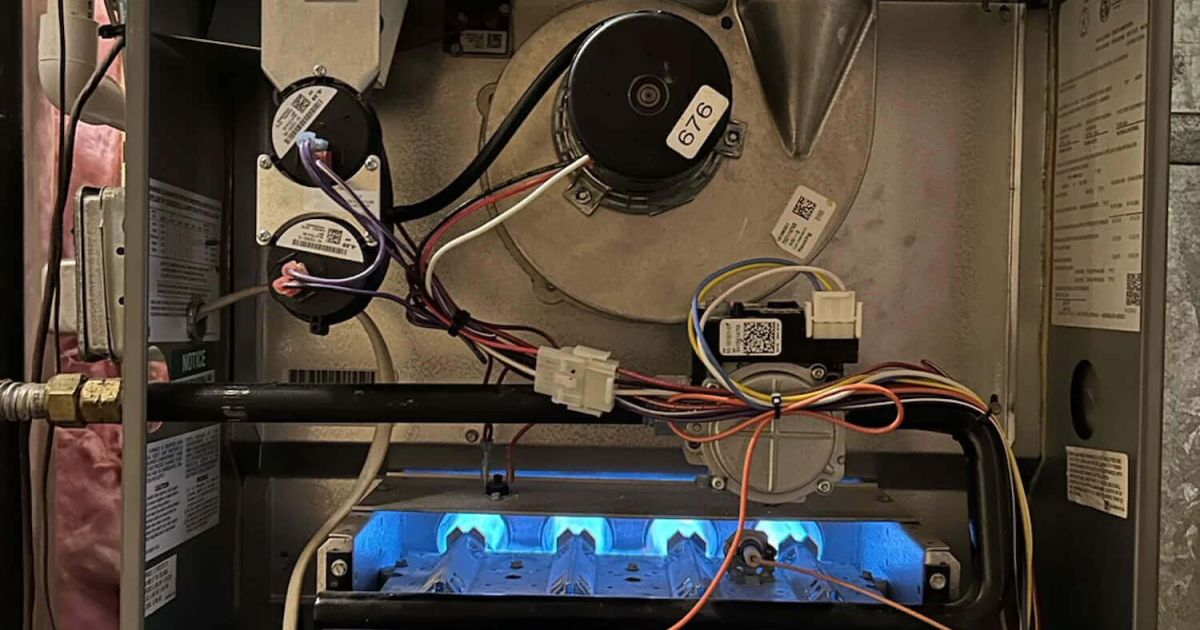
In Fort Collins, drastic temperature swings can strain furnaces and expose underlying issues that were not apparent during milder weather. Airflow problems, overheating, and other issues can cause the furnace to cycle on and off rapidly, which is known as short cycling. Because a furnace’s short cycling can indicate an underlying issue with your heating system, it is important to reach out to Balance Point Heating, Cooling & Plumbing for repairs before colder weather arrives.
What Short Cycling Means
Short cycling is when a furnace starts, runs for a short time, then shuts off before it fully heats the home. Because the home has not reached the right temperature, the furnace starts again shortly afterward, and the cycle repeats.
A furnace that starts and stops frequently is not just an annoyance. Short cycling leads to excessive energy usage, uneven home heating, and unnecessary wear on the furnace’s ignition and other components.
The pattern becomes more noticeable during a cold snap. During a cold snap, furnaces typically run longer heating cycles to meet increased heating demand, rather than repeatedly shutting off after brief periods.
Homeowner-Fixable Causes to Check First
So, why does my furnace short cycle? There are a few common reasons for a furnace cycling too often that you can address on your own. If the following troubleshooting tips do not work, you’ll need to reach out for professional help.
- Dirty Air Filters: By far, this is the most common reason for short cycling. A clogged air filter restricts airflow, which causes the furnace to overheat. In turn, this triggers the safety limit to shut down the furnace before it finishes its cycle. To troubleshoot this cause, check the air filter and replace it as needed.
- Closed or Blocked Vents and Returns: Like a dirty air filter, blocked vents and returns can restrict airflow. This results in an overheating shutdown. This problem can be easily fixed by checking every vent and return to see whether they are open and unobstructed.
- Thermostat Settings or Location: A thermostat that is next to a vent, in direct sunlight, or near a drafty window can read the room’s temperature inaccurately, leading to short cycles. An unusual thermostat schedule or incorrect settings can produce the same symptom. You can troubleshoot this issue by checking the thermostat settings and location.
- Thermostat Batteries or Wiring: If the thermostat is starting to fail or the batteries run low, it can send inconsistent signals. Try replacing the batteries. You can test whether the thermostat is communicating properly by raising the temperature above the current room temperature and checking whether the furnace turns on.
The Overheating Shutdown Explained
One of the main mechanisms behind a furnace cycling too often is the high-limit safety shutdown. When a furnace is overheating, a shutoff occurs to prevent the heat exchanger from reaching damaging temperatures. After it shuts off, the fan may continue running for a while to cool the furnace down before the furnace tries again. This results in a repeated on-off pattern.
The problem is not the safety shutdown. A furnace performs this shutdown to protect itself. The real issue is the underlying airflow problem or other fault that is causing the overheating. Depending on the cause, you may need to replace the filter, fix your ductwork, or repair the blower.
Technician-Level Causes
If your airflow and thermostat are fine, then you’re likely dealing with a component or system-wide issue. To avoid additional damage, you’ll need to have a heating, ventilation, and air conditioning (HVAC) technician investigate the cause. Once we’ve narrowed down the issue, we can recommend the best Fort Collins furnace repair for your needs.
- Flame-Sensor or Ignition Fault: If your furnace lights but cannot sustain the flame, it will shut down. A flame sensor that cannot confirm the flame will trigger an automatic shutdown and retry.
- Blocked Flue or Venting: When the flue or venting is blocked, it will trigger a safety shutdown to prevent exhaust fumes from flowing back into your home.
- Failing Blower Motor: A blower motor that is not working properly will lead to poor airflow, resulting in an overheating shutdown.
- Control Board or Limit-Switch Problems: A faulty control board can disrupt the heating cycle, while a defective limit switch may shut off the burners even when the furnace isn’t overheating.
- Condensate or Pressure-Switch Faults: On high-efficiency furnaces, a clogged drain or pressure-related issue can interrupt the cycle and cause short cycling.
- Oversized Furnaces: When a furnace is oversized for the home, it can heat the space too quickly, causing the thermostat to reach its setpoint and shut off the furnace prematurely. Then, it restarts a short time later once the temperature falls again. This is a sizing and installation issue that occurs when the furnace was not properly matched to the home when it was originally chosen.
Why Short Cycling Is Worth Fixing Promptly
While repairing the furnace may cost more initially, delaying repairs will increase your total costs over time. A furnace that is short cycling will lead to higher energy bills. Each start is harder on components than simply running longer, so short cycling results in accelerated wear on the igniter, blower, flame sensor, and control board.
Besides the energy efficiency and long-term repair costs, a furnace’s short cycling impacts your comfort. Your home may struggle to reach a steady, even temperature, resulting in chillier rooms. Because overheating and venting faults can cause short cycling, the pattern may also be an early indication of a safety issue.
You can also make repairing your furnace easier on your budget through our flexible financing options. Our HVAC membership plan can help you prevent future breakdowns through complimentary furnace tune-ups.
Safe Checks Before You Call
Before you reach out for help, there are a few safe checks you can perform yourself. For your safety, you should never open the burner compartment, bypass or reset safety switches repeatedly, or adjust the gas valve. Additionally, do not keep forcing a furnace to run when it keeps shutting down.
- Check 1: Replace your air filter. Then, verify that the vents and returns are open and unobstructed.
- Check 2: Verify that your thermostat has the right mode and setpoint. It should not be in direct sun or near airflow.
- Check 3: Pay attention to how long each cycle is and how long it takes to restart.
- Check 4: Note any lockouts, error codes, or odd sounds that occur.
When to Call Balance Point
As a homeowner, it can be hard to tell when a furnace symptom is a minor inconvenience and when it’s a sign of a major problem. If you experience any of the following signs, we recommend calling for help right away.
- You’ve changed the filter and checked your thermostat settings, but the furnace continues to short cycle.
- You notice a gas odor. If this occurs, immediately evacuate your home and call 911 or your gas utility provider from a safe location outside.
- The furnace keeps overheating.
- Your home cannot reach or hold a comfortable temperature during a cold snap.
- In addition to short cycling, you notice unusual noises, soot, or a burning odor.
- The furnace shows an error code.
If your furnace keeps turning on and off during a cold snap, our team offers emergency repair services. We’ll quickly diagnose the issue and help you decide on the right solution.
FAQs
Why does my furnace keep turning on and off?
Restricted airflow is the most frequent reason for a furnace overheating and triggering the safety limit. Often, this is due to a dirty air filter. Problems with your venting, thermostat, sizing, or ignition can also result in a furnace turning on and off frequently.
Is furnace short cycling dangerous?
A furnace’s safety shutdown is a protective feature and is not inherently dangerous. However, the cause of the shutdown may be dangerous, especially if overheating or venting issues are involved.
Can a dirty filter cause short cycling?
A dirty air filter is the leading cause of short cycling. By replacing your clogged filter, you may be able to resolve your short cycling without needing a service call.
Why is my furnace short cycling only during cold snaps?
Cold snaps lead to heavy demand, which can expose the airflow, ignition, and sizing issues that are less obvious during milder weather.
Does an oversized furnace cause short cycling?
An oversized furnace can result in short cycling because it heats the home too quickly and shuts off. Then, it has to restart repeatedly to maintain the home’s temperature.
Address Your Furnace’s Short Cycling Before Winter Arrives
Are you experiencing furnace short cycling during the cold weather? Balance Point can help with our same-day diagnostics and upfront pricing in the Fort Collins and Loveland areas.
Our team will quickly work to find the cause, explain your options clearly, and help you determine the next step without any pressure.
Book your furnace repairs today.
Service Request
"*" indicates required fields